

Pakistan Declares 'Open War' on Afghanistan, Unleashes Bomb Fury on Taliban
In a dramatic escalation of regional tensions, Pakistan has declared an 'open war' against neighbouring Afghanistan, with its defence minister confirming overnight airstrikes targeting Taliban positions. This breaking development marks a significant shift in the volatile relationship between the two nuclear-armed nations.
Defence Minister's Stern Declaration
Pakistan's Defence Minister, Khawaja Mohammad Asif, made the announcement via a post on social media platform X, stating unequivocally that the country is now engaged in an open war with Afghanistan. He expressed profound disappointment, noting that Pakistan had initially harboured hopes for peace and stability in Afghanistan following the withdrawal of NATO forces.
Asif had anticipated that the Taliban would prioritise the welfare of the Afghan people and contribute to regional stability. Instead, he levelled serious allegations, claiming the Taliban has transformed Afghanistan into 'a colony of India', assembled militants from across the globe, and actively begun exporting terrorism beyond its borders.

Patience Exhausted, Military Action Initiated
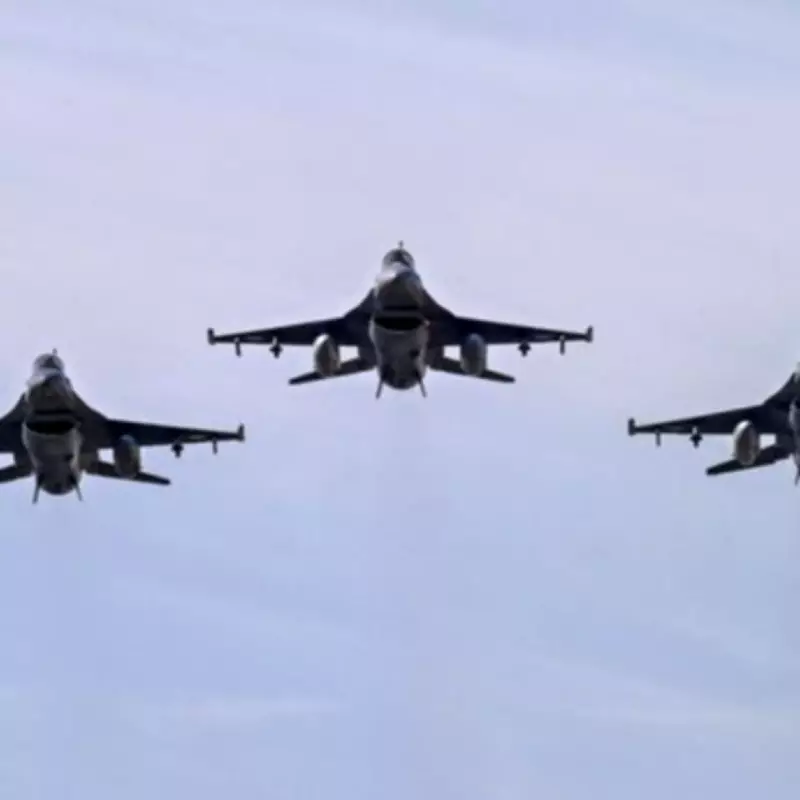
'Our patience has now run out. Now it is open war between us,' Asif declared, signalling the end of diplomatic restraint. This statement coincided with reports of Pakistan Air Force F-16 fighter jets conducting bombing raids overnight, though specific details on targets and casualties remain unconfirmed at this early stage.
The minister's comments suggest a long-simmering frustration has boiled over, driven by perceptions of Taliban betrayal and external influence. The reference to India indicates Pakistan's deep-seated security concerns regarding its regional rival's alleged involvement in Afghan affairs.
Regional Implications and Silence from Kabul
This declaration of open hostilities carries immense implications for South Asian security, potentially destabilising an already fragile region. The involvement of two neighbouring states with complex histories of conflict and proxy warfare raises the spectre of a broader confrontation.
Notably, there has been no immediate reaction from Afghan government officials or Taliban representatives to Asif's incendiary comments or the reported military strikes. This silence adds to the uncertainty surrounding the situation and the potential for rapid escalation.
The international community is likely monitoring developments with grave concern, given the nuclear capabilities of Pakistan and the history of militant activity in the region. This breaking story underscores the persistent volatility in Afghanistan and its profound impact on neighbouring states.






