
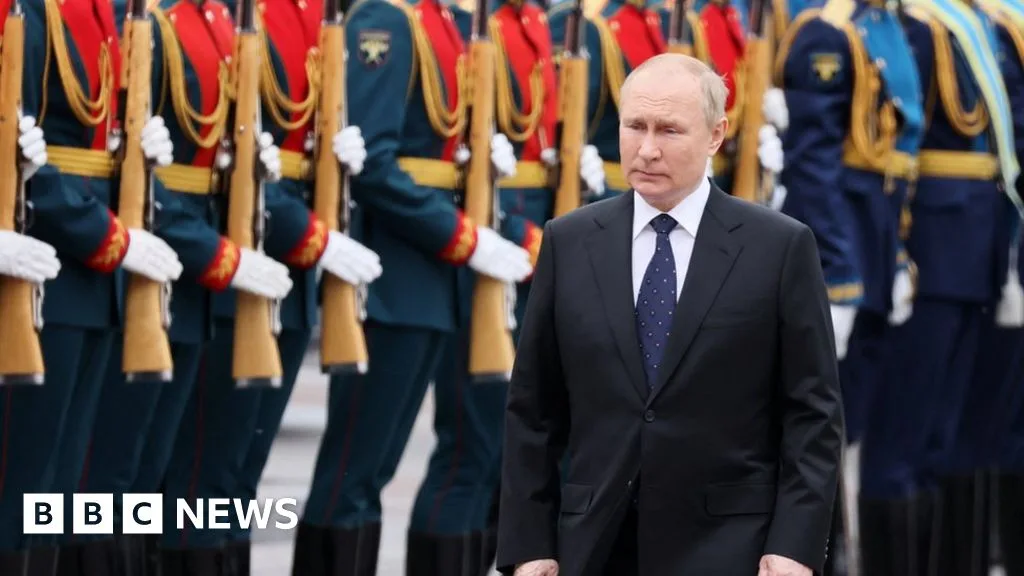
President Vladimir Putin has announced a “partial mobilisation” of military reservists, marking a significant escalation in Russia’s war in Ukraine. The Kremlin had previously denied plans for such a move, just as it earlier denied plans to invade. The decision signals that Moscow is prepared to dig deeper into its resources to secure victory, despite earlier hopes of a quick campaign.
The mobilisation comes as Russian forces face mounting challenges on the battlefield. The Ukrainian military, backed by Western weapons, has mounted stronger resistance than expected, and Moscow has recently lost territory. The Kremlin concluded that more troops are needed, hence the partial call-up. However, the word “war” remains taboo in Russian state media, and the move risks public backlash given low appetite for conscription.
In his address, Putin offered no conciliatory words to Kyiv or the West, instead delivering anti-Western rhetoric and threats, including nuclear sabre-rattling. Analysts view his actions as raising the stakes in a dangerous game, with no apparent off-ramp. The Russian leader faces the challenge of convincing the public that the West aims to destroy Russia, while the West must decide how to respond to a leader who has signalled willingness to use nuclear weapons to avoid defeat.
Reactions in Moscow were mixed. Some expressed fear of full mobilisation, while others voiced trust in Putin and a sense of duty. The partial mobilisation, though limited, is a gamble for Putin, who had previously sought to avoid such a move.




