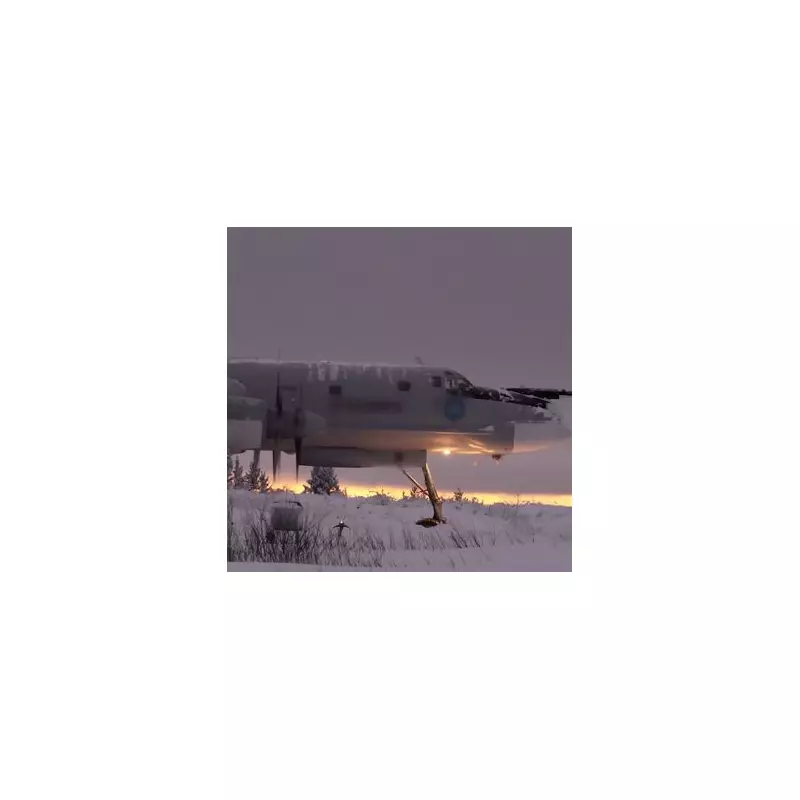
RAF fighter jets were urgently scrambled on Christmas Day to intercept a formation of Russian strategic bombers approaching UK airspace, in a stark reminder of ongoing tensions.
Christmas Day Interception Over the North Atlantic
On 25 December 2025, NATO air defence forces were placed on high alert after Russian President Vladimir Putin dispatched long-range aircraft on a provocative mission. A pair of Tu-95MS 'Bear' bombers, aircraft capable of carrying nuclear weapons, were tracked flying over the Norwegian Sea towards the north of Britain.
The alliance, which includes the United Kingdom, was forced to launch quick reaction alert (QRA) fighter jets to shadow the Russian planes. The hulking turboprop bombers, known for their distinctive roar, were monitored throughout their flight to ensure they did not enter sovereign airspace.

Details of the Strategic Flight
The mission, confirmed by the Russian Ministry of Defence, was described as a scheduled long-range patrol. However, its timing on a major Western holiday and its flight path towards the UK were seen as a deliberate geopolitical signal. The Tu-95MS is a cornerstone of Russia's long-range aviation force, designed to launch cruise missiles at targets thousands of miles away.
NATO's response was coordinated, with aircraft likely from the Royal Air Force's Typhoon squadrons, based at RAF Lossiemouth in Scotland, taking the lead in the interception. Such procedures are standard protocol when unidentified or potentially hostile aircraft approach NATO borders, ensuring they are tracked and identified.
Ongoing Tensions and Airspace Vigilance
This incident is the latest in a series of similar intercepts over the North Atlantic and around UK airspace in recent years. These flights are viewed by military analysts as demonstrations of Russian reach and a testing of NATO's response times and readiness.
The Christmas Day flight underscores that military vigilance continues unabated, even during national holidays. It serves as a potent reminder of the enduring strategic standoff between NATO and Russia, with the UK's northern flank remaining a key area of focus for allied defence planners. The swift response by NATO pilots highlights the continuous, round-the-clock nature of the alliance's air policing duties.