Military Faces Mounting Pressure to Replace Canine Units with Robotic Alternatives
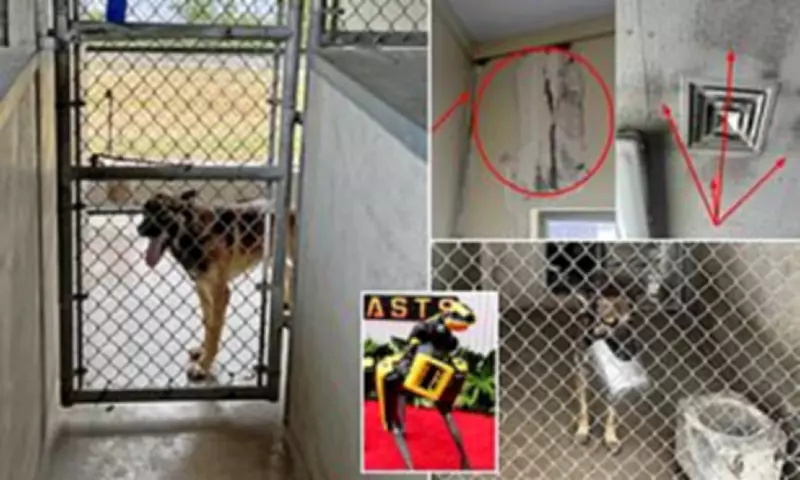
The Department of Defense is confronting intense scrutiny and demands to phase out its military working dogs in favour of advanced robotic systems. This follows a damning report from the Office of Inspector General that exposed severe neglect and deplorable conditions within the Pentagon's canine programme.
Shocking Findings of Neglect and Suffering
The recent investigation detailed 'unsatisfactory kennel facility conditions' and systemic failures in providing basic care. Inspectors found that the military programme consistently neglected walking schedules and medical attention for its dogs. At a single base in Texas, 22 dogs sustained heat injuries over a three-year period, with at least four suffering preventable deaths.
These distressing findings highlight that animal mistreatment persists despite three decades of reform efforts. They also follow a 2022 Government Accounting Office report that criticised abuse and neglect among the nearly 5,600 dogs working across federal agencies.

PETA's Direct Appeal to the White House
In a letter sent exclusively to the Daily Mail, People for the Ethical Treatment of Animals urged President Trump to phase out military and police dogs entirely. The organisation advocates for deploying dog-like robots as ethical alternatives.
'Unlike the brave service members and officers who choose to put their lives on the line, [military and police dogs] can't consent to being used as living shields or being sent into violent situations they did not cause — and many pay with their lives,' wrote Daniel Paden, PETA's vice president of legal advocacy.
Paden emphasised that dogs face risks not only in crisis scenarios but even on domestic bases. Animal rights activists argue that staffing shortages and poor facility conditions documented in the inspector general's report justify immediate transition to robotic systems.
Current Military Working Dog Programme Under Fire
The Air Force oversees approximately 2,200 Military Working Dogs across all branches. These animals serve as guards, search and rescue scouts, and detection specialists for drugs, explosives, survivors, and deceased individuals. Most belong to 'high-drive' breeds like German Shepherds, Belgian Malinois, and Labrador Retrievers that require significant daily physical, social, and cognitive stimulation.
A comprehensive 34-page Defense Department inspector general report released this month reveals the military is failing to meet these essential needs. Inspectors visiting the San Antonio-Lackland Air Force Base headquarters and other kennels in 2024 identified critical 'manpower challenges' causing caretaker shortages.
Consequently, dozens of dogs were walked only three or four days weekly for mere 10-minute sessions. This neglect resulted in higher rates of diseases, injuries, and behavioural problems including stress behaviours like continuous spinning, jumping, and chewing on metal water buckets.
Deplorable Living Conditions Documented
Inspectors found dogs housed unprotected in extreme temperatures and adverse weather conditions that compromised their health. They documented physical signs of heat stress, including rapid panting with enlarged tongues and ears swept back. Dogs were kept in moldy, leaky cages and kennels lacking proper ventilation and adequate waste removal.
These conditions facilitated disease spread between military bases and contributed to preventable deaths from 2021 through 2023. While the Air Force disputes these findings, claiming autopsies showed deaths 'were not attributed to neglect,' the GAO's 2022 report to Congress identified similar unresolved problems.
Robotic Alternatives Gaining Traction
PETA recommends robot K-9s like Boston Dynamics' 'Spot' as alternatives requiring far less care and upkeep. The organisation notes that Massachusetts State Police and other law enforcement departments already use robots to de-escalate volatile situations, with four 'mechanical first responders' scheduled for World Cup security in Mexico.

China has publicly demonstrated armed quadruped robots during military exercises, while the United States tests similar systems. The Vision 60 model by Ghost Robotics is being evaluated by the Air Force and Marines for patrol, reconnaissance, hazard detection, and risk reduction missions.
These 100-pound robots operate up to three hours on batteries, function in extreme temperatures, and feature cameras and sensors for teleoperation or semi-autonomous use. Unlike living dogs, they cannot suffer pain, require lifelong care, or raise animal welfare concerns—though they lack the sensory skills and emotional intelligence of trained canines.
Historical Context of Military Animal Mistreatment
Animal welfare issues are not new to the US military. The Pentagon faced fierce criticism for abandoning approximately 4,000 dogs—primarily German Shepherds and Labrador Retrievers—deployed during the Vietnam War. Most were not returned during the early 1970s withdrawal, with many likely killed, creating a betrayal felt by veterans and handlers that fueled later reform efforts.
Post-9/11 deployments to Iraq and Afghanistan saw isolated reports of dogs suffering overexertion, heat exposure, and inadequate veterinary care. In 2006, animal welfare advocates criticised retired MWD handling at Lackland Air Force Base, where despite a 2000 law requiring adoption availability, some dogs were euthanised for insufficiently explained medical or behavioural reasons.
Concerns over that base's treatment persist two decades later, with one Texas animal rights advocate describing it as 'the Abu Ghraib for dogs' and expressing the local fantasy 'to break in and let those poor dogs free.'
As pressure mounts, the military faces a critical juncture: continue reforming a programme with persistent failures or invest in robotic technology that could revolutionise military operations while addressing ethical concerns about animal welfare.