
King Charles led the nation in marking the 80th anniversary of VJ Day, attending a national service of remembrance at the National Memorial Arboretum in Staffordshire. He was accompanied by the Queen, Prime Minister Sir Keir Starmer, and veterans who served in the Far East. A two-minute silence was observed to honour those who fought and died in the conflict.
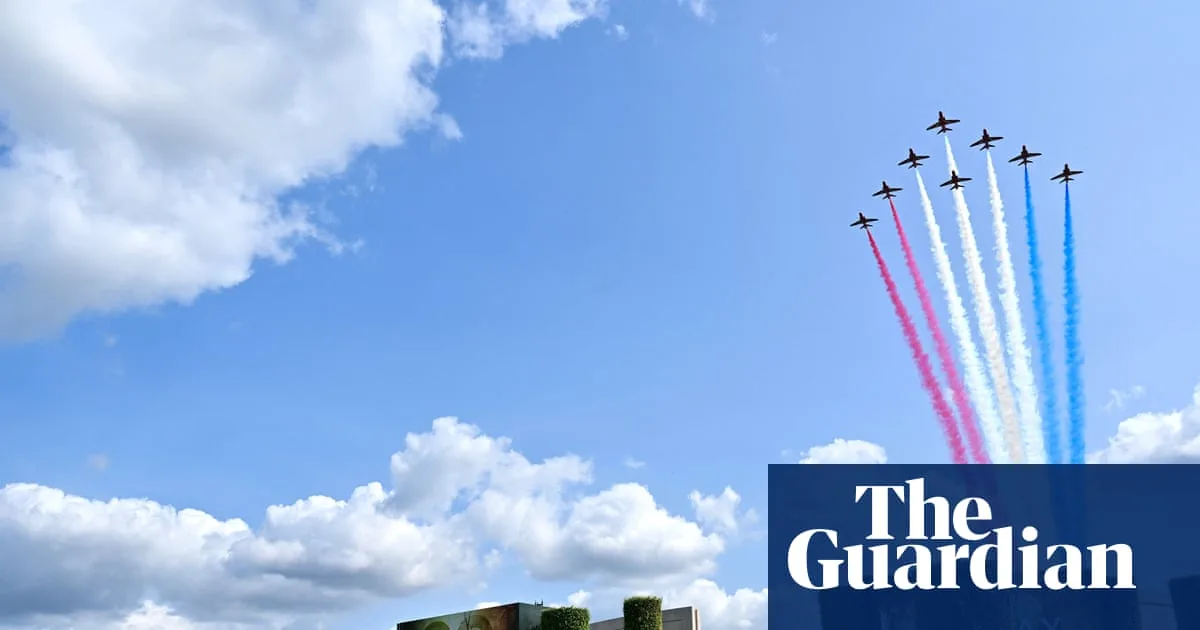
The service featured powerful testimonies from veterans, including Alfred Conway, a Royal Navy veteran who watched his great-granddaughter lay a wreath on the Burma Railway memorial. George Durrant, who served in the intelligence corps, urged attendees not to forget the sacrifices of his comrades. A flypast included the Red Arrows and historic aircraft such as a Spitfire, Hurricane, and Lancaster bomber.
In a pre-recorded message, King Charles paid tribute to Allied prisoners of war who endured brutal captivity, and made a notable reference to the atomic bombings of Hiroshima and Nagasaki, saying: “An immense price was paid by the citizens of Hiroshima and Nagasaki – a price we pray no nation need ever pay again.” He vowed that the service and sacrifice of VJ Day heroes “shall never be forgotten”.
The commemoration came amid controversy in Japan, where two cabinet ministers visited the Yasukuni Shrine, a site viewed by China and South Korea as a symbol of wartime aggression. Japan’s Emperor Naruhito expressed “deep remorse” over the war, while Prime Minister Shigeru Ishiba sent a customary offering. China summoned Japan’s embassy chief in protest.
Official figures note that more than 90,000 British troops became casualties in the war against Japan, with nearly 30,000 deaths. Over 12,000 Britons were among 190,000 Commonwealth POWs held by Japanese forces. The United States suffered the greatest Allied losses, with over 100,000 killed. The atomic bombs killed more than 200,000 people in Hiroshima and Nagasaki.




