
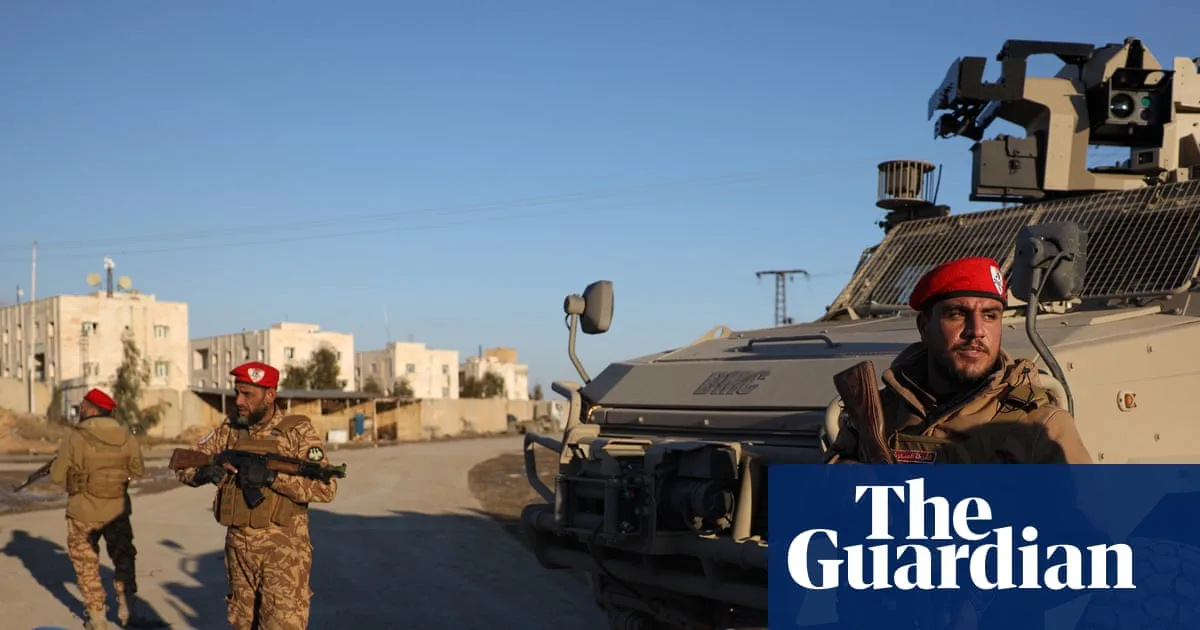
More than 100 inmates, described by Syrian authorities as Islamic State detainees, have escaped from a prison in the town of Shaddadi in north-east Syria. The breakout occurred amid clashes between Kurdish-led Syrian Democratic Forces (SDF) and government-affiliated fighters, with each side blaming the other for the incident.
The SDF accused government-linked forces of attacking the jail, freeing prisoners dressed in black balaclavas. The Syrian army denied the claim, saying it had imposed a curfew and launched search operations, recapturing 81 of the escapees so far. The interior ministry put the number of escapees at about 120, while Kurdish sources gave a higher figure of 1,500.
The violence came less than 24 hours after Syrian President Ahmed al-Sharaa announced a ceasefire deal with the SDF, aiming to integrate the group into national military and security structures. The deal includes transferring responsibility for prisons and camps holding IS suspects to the government, but trust remains low amid fears that controls could be loosened.
Concerns have been raised about other detention facilities in the region, including those holding foreign nationals. Among the detainees are 55 British citizens, including Shamima Begum, stripped of their UK citizenship. Human rights group Reprieve called for urgent repatriation, citing the volatility of the situation.
The SDF claimed it requested assistance from the US-led coalition during the attack but received no response. The US military has not commented. The escapes highlight the fragility of security in north-east Syria as the new government seeks to consolidate control.




