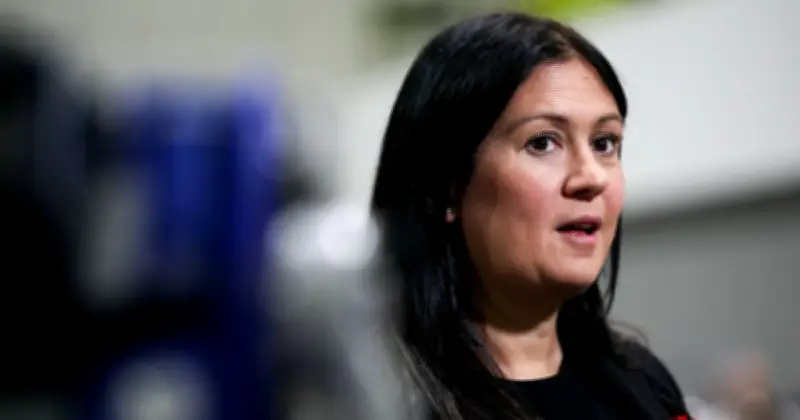
Those wanting to pressure the Government into providing free TV licences to all state pensioners have just four weeks remaining to lend their support to the campaign. The drive is calling on the Department for Culture, Media and Sport, headed by Culture Secretary Lisa Nandy, to introduce the change.
Should the petition on the parliamentary website reach 100,000 signatures, it will be considered for a full debate — piling further pressure on the DCMS to defend its stance. Support has surged considerably, with signatories climbing to 43,900 in the past week or so — however, people have only until 21st July to add their name.
Government Response
The Government has already issued a significant update to those campaigning for free television licences for all state pensioners. The Department for Culture, Media and Sport released a fresh statement on the matter, confirming it was 'keeping an open mind' about 'new concessions' for households, after the petition reached 10,000 signatures — triggering the requirement for an official response.

This year, the standard UK TV Licence increased to £180 per year. A black-and-white only licence costs £60.50. To qualify for a free TV licence as a pensioner in the UK, either the individual or their partner residing at the same address must be aged 75 or over and in receipt of Pension Credit.
Petition Details
The petition reads: 'We want the Government to fund free TV licences for existing pensioners and those who reach the official retirement age. When people reach retirement age, we think they should receive a state-financed free TV licence.'
'Many pensioners live on the breadline with only the TV for company. With the cost of food soaring and utility bills ever higher, we feel there is a desperate need to provide all pensioners with at least this concession.'
Full Response from the Department for Culture, Media and Sport
'There are a number of TV licence concessions available, including for over-75s in receipt of pension credit. There is no BBC concession to provide free TV licences for all pensioners at this time.'
'The Government believes that public service broadcasting, and the BBC in particular, are vital British assets that support our democracy, bring our communities together, and help to shape and define our nation through telling stories about the lives of people in all parts of the UK.'
'TV Licence concessions are set out in legislation and are currently available to people who are registered blind or severely sight impaired, as well as to over-75s in receipt of pension credit, and people living in qualifying residential care who are disabled or over 60 years old.'
'The Government is committed to the current licence fee and its available concessions for the remainder of this Charter period, until the end of 2027. While the Government strongly believes in public funding for the BBC given the public good it serves, we are aware of the financial difficulties faced by some households.'
'For this reason, the Government announced a significant extension to the Simple Payment Plan (SPP) in 2024. This allows unlicensed households experiencing financial difficulty to split up the annual payment into more manageable fortnightly and monthly instalments. The BBC’s analysis suggests that the expansion could double the number of households using the SPP to around 500,000 by the end of 2027.'
'More broadly, the Government is absolutely committed to supporting pensioners and giving them the dignity and security they deserve in retirement. That is why, through our commitment to protect the Triple Lock, over 12 million pensioners will benefit. From the end of this Parliament, spending on the State Pension as a result of our commitment to protect the Triple Lock is forecast to be over £30 billion more a year, compared with 2024/25. This will see pensioners’ yearly incomes rising by up to £2,100.'
'The basic and new State Pensions increased by 4.8% in April, benefitting over 12 million pensioners by up to £575. Through the BBC Charter Review we are considering how we ensure the BBC is funded so that it can continue to deliver for all of us, drive the growth of the creative industries, nurture talent, and invest across the whole of the UK.'

'The BBC’s own statistics show 94% of adults use the BBC each month yet fewer than 80% of households pay, contributing to an ongoing pressure on the BBC’s funding which includes the extent to which concessions are possible.'
'The Government has been clear that any future funding model for the BBC should also be fair to audiences and ensure costs to households are kept as low as possible. The Government is keeping an open mind about the future of BBC funding and has not yet identified a preferred model. We are also keeping an open mind about new concessions and are considering a range of options to better account for different household situations.'
'As set out in the Charter Review Green Paper, we do not plan to remove any existing concessions. We also do not plan to revisit the decision on over-75s licences as the BBC provides a concession for over-75s on pension credit which targets those most in need of support. It was estimated the cost of the TV licence concession for all over-75s could reach around £745 million per annum prior to its amendment in 2020.'
'The Government’s public consultation on the Green Paper, which asked people from different communities to be part of the conversation on the future of the BBC, closed on 10 March 2026. The Government is now considering the responses to the public consultation. These will inform policy decisions for the next BBC Royal Charter which will be set out in a White Paper, expected to be published later this year.'
To access the petition, add your signature and read the complete response, click here.