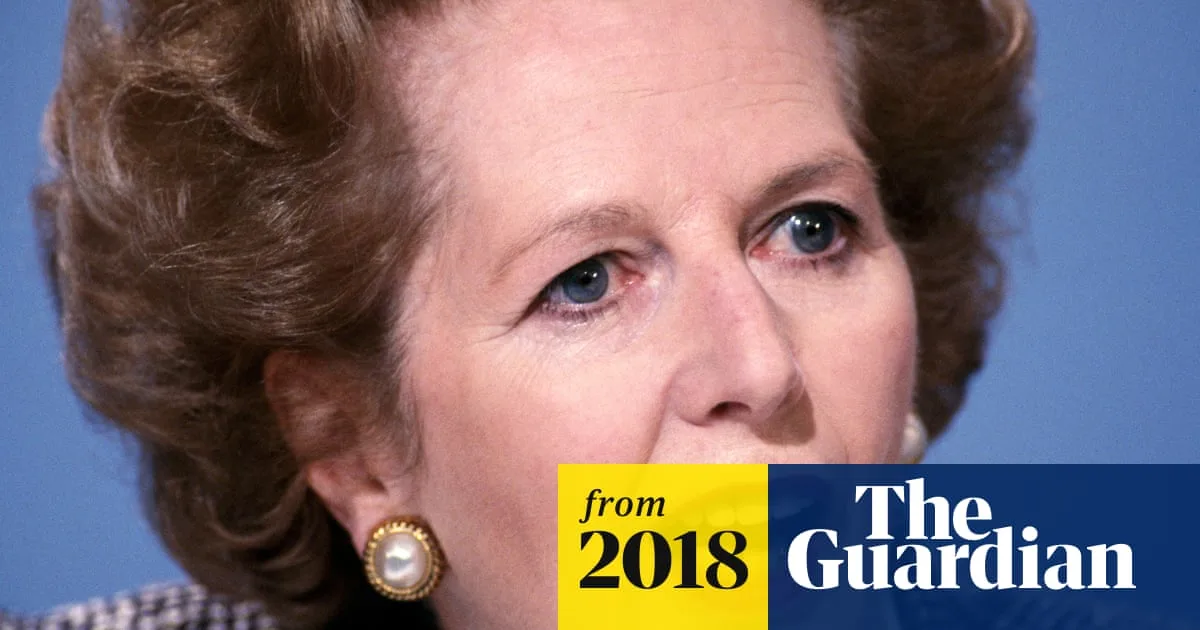
Westminster council has rejected a proposal for a statue of Margaret Thatcher on Parliament Square in central London. The plan for a bronze likeness of the former prime minister, one-and-a-half times life-size and dressed in state robes, was turned down last July partly due to fears it could become a magnet for protesters and be vandalised.
The applicants submitted a revised proposal with a four-metre-high plinth designed to be hard to climb and featuring integral scaffolding sockets for hoardings during demonstrations. However, council officials recommended refusal, citing concerns about 'monument saturation' in the area, given unprecedented recent demand for statues.
The planned statue, costing met by private donations, would have stood between memorials to George Canning and Abraham Lincoln, and so close to a proposed site for a statue of Emmeline Pankhurst that both could not be installed. Westminster operates a rule requiring people to be dead for at least a decade before a statue can be erected to allow 'partisan passions to cool'. Thatcher died in 2013, but this was not a determining factor.

Other barriers included lack of support from the Thatcher family—the organisers wrote to her children Carol and Mark but received no reply. Officials also noted that showing Thatcher in state robes did not reflect her role as prime minister, and there is already a statue of her in the Commons.
Westminster council’s chairman of planning, Councillor Richard Beddoe, said: 'The lack of family support and the committee’s concerns around the design were key determining factors. In principle the council is in favour of a statue commemorating her in Parliament Square, but it must be the right statue, with appropriate design and family support.'