

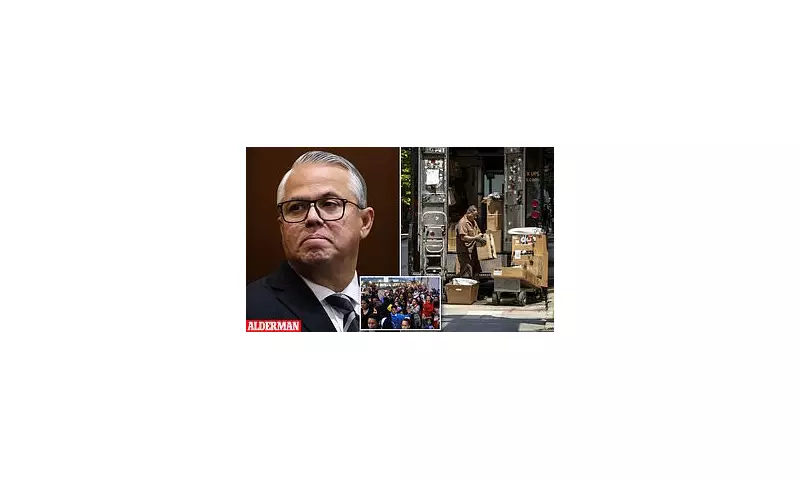
A political standoff over Chicago's dire finances has seen a group of city lawmakers propose a controversial $1.25 fee on every package delivery as part of an alternative budget plan. This move comes as the city grapples with a projected $1.15 billion shortfall for the upcoming year and deep divisions over Mayor Brandon Johnson's spending priorities, including hundreds of millions on migrant support.
The Budget Battle and Alternative Proposals
With a deadline of 31st December to finalise the 2026 spending plan, Democratic Mayor Brandon Johnson has been locked in a dispute with moderate and conservative members of the city council. His initial proposal involved a $16.6 billion budget designed to close the deficit, which included a contentious $21 monthly 'head tax' per employee for large companies. This corporate tax was rejected last month by the Finance Committee over fears it would drive businesses out of Chicago.
In response, Alderman Gilbert Villegas, alongside Finance Chair Alderman Scott Waguespack and Alderman Matt O'Shea, crafted a counter-proposal. Their plan notably excludes the corporate head tax but introduces the novel $1.25 ground-delivery fee for parcels. The mayor's office has dismissed this idea, arguing it would require state approval, a claim Waguespack disputes.

Drastic Measures to Bridge the Gap
The alternative budget includes other significant revenue-raising measures. The most impactful for residents is a plan to nearly double the monthly rubbish collection fee from $9.50 to $20, although seniors would be exempt. Shockingly, even this sharp increase would cover only 55 percent of the city's total garbage collection costs, according to local reports.
The draft plan also retains, but at a reduced rate, the mayor's proposed tax increases on cloud computing and equipment leases. It criticises Johnson's reliance on $449 million in loans for day-to-day operations, which would incur over $50 million in interest. Alderman O'Shea warned that the mayor's approach risked a credit downgrade, "laying more debt on our children to have to repay."
Migrant Spending Fuels Political Tensions
The intense budget scrutiny occurs against the backdrop of massive expenditure on migrants. Since 2022, Chicago has received over 50,000 migrants, many bused from Texas. From September 2022 to February this year, the city paid approximately $638.7 million in vendor contracts to support new arrivals, with an additional $850,000 spent relocating some out of the city.
Mayor Johnson defended this spending during a March congressional hearing, stating support for migrants consumed about one percent of the city's budget since 2022—a figure equating to roughly $625 million. This stance has drawn fierce criticism, notably from Illinois Republican Representative Darin LaHood, who accused the mayor of putting "the interest of illegal immigrants above the interest of taxpayers in Chicago." The situation has also led to clashes with federal authorities, prompting the Department of Homeland Security to launch 'Operation Midway Blitz' targeting migrants with criminal records in the sanctuary city.
With the 31st December deadline looming, the council, which requires a majority of its 50 members to pass a budget, remains deeply fractured. The proposed package fee and rubbish charge increases underscore the severe choices facing the city as it attempts to stabilise its finances while managing the ongoing political and humanitarian crisis.






