
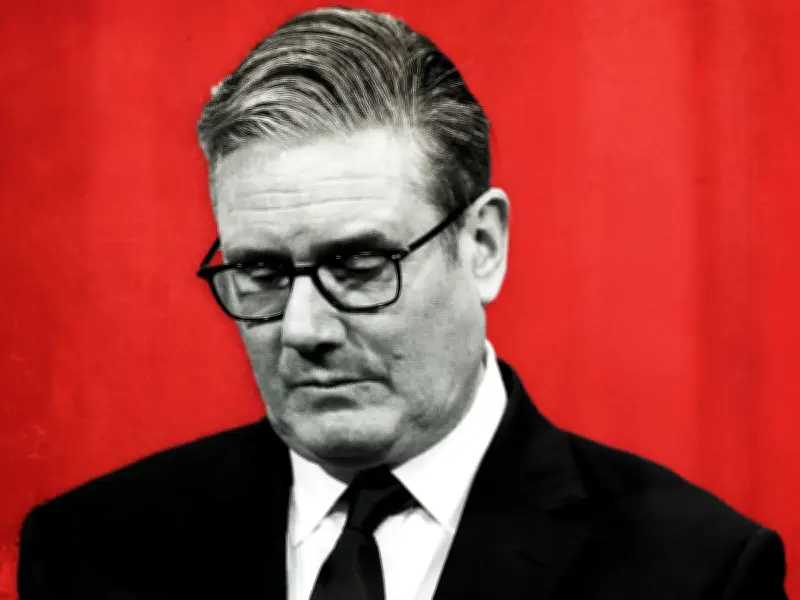
Prime Minister Keir Starmer announced his resignation on Monday, June 22, 2026, just days after Andy Burnham returned to the House of Commons by winning the Makerfield by-election. The resignation, exactly 50 years after Harold Wilson stepped down citing exhaustion, has sparked questions about why Starmer left despite his government's claimed achievements.
Starmer's Achievements and the Resignation Paradox
During Prime Minister's Questions on June 24, Starmer highlighted his government's record on child poverty, the social media ban for young people, and GDP growth. Opposition leader Kemi Badenoch countered, asking: "If it's all going fine, why is he resigning?" Starmer retorted by mocking the Conservatives' 2.2% vote share in Makerfield, saying they were "just edging past Count Binface." Count Binface later acknowledged the mention on X, writing: "Delighted to make my debut at #PMQs. And I'm not even elected yet."
Behind the Resignation: Poor Polls and Policy Disasters
Despite his dignified performance at PMQs, Starmer's tenure was marred by bureaucratic perception, policy U-turns, and the Mandelson affair. His reputation suffered irreparable damage, reflected in some of the worst opinion polls in British political history. The local elections in May saw Labour trounced by Reform UK, particularly in 'red wall' constituencies in northern England, where Starmer was seen as a liability.
Andy Burnham's Rise
Andy Burnham, the newly elected MP for Makerfield, is widely expected to become the next Labour leader. He met with Starmer to arrange an "orderly" transition, including access talks with the civil service and cabinet secretary Antonia Romeo. Burnham's name was referenced 15 times during PMQs, and a Tory MP shouted "Andy?" after Starmer mentioned meetings, to which Starmer replied: "Not today."
Historical Parallels and Future Challenges
Harold Wilson's 1976 resignation led to James Callaghan's disastrous term, which ushered in Margaret Thatcher's 18-year Conservative rule. Burnham hopes to avoid a similar fate, but faces challenges from Reform UK leader Nigel Farage, who has ambitions for the top job. With seven Prime Ministers in 10 years, Burnham aims to bring stability, prosperity, and opportunity amid a degraded political discourse.




