
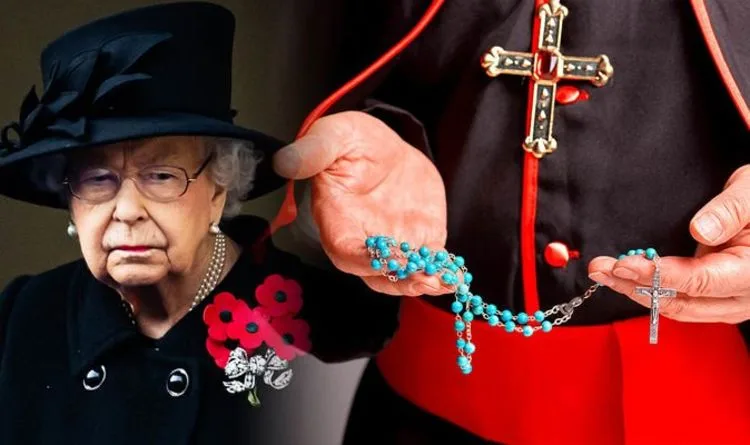
The Royal Family is governed by ancient rules and Parliamentary statutes regulating succession to the throne. Among these, a key provision excludes Roman Catholics from becoming monarch, a rule rooted in 17th-century religious conflicts.
The Succession to the Crown Act (2013) ended male primogeniture and removed disqualification for those marrying Roman Catholics. However, a Roman Catholic royal remains ineligible to become sovereign. This rule stems from the Act of Settlement 1701, enacted to prevent a Catholic monarch after fears arose during the reign of King William II.
Parliament drew up the Act of Settlement 1701, which ruled out any Catholics or their spouses from becoming monarch. The legislation declared that no sovereign “shall profess the Popish religious or shall marry a Papist,” ensuring Protestant succession through King George I.
This rule continues to affect modern royals: Prince Edward, Duke of Kent’s youngest son was removed from the line of succession after converting to Catholicism, and in 1978, Prince Michael of Kent was removed upon marrying a Catholic.




