

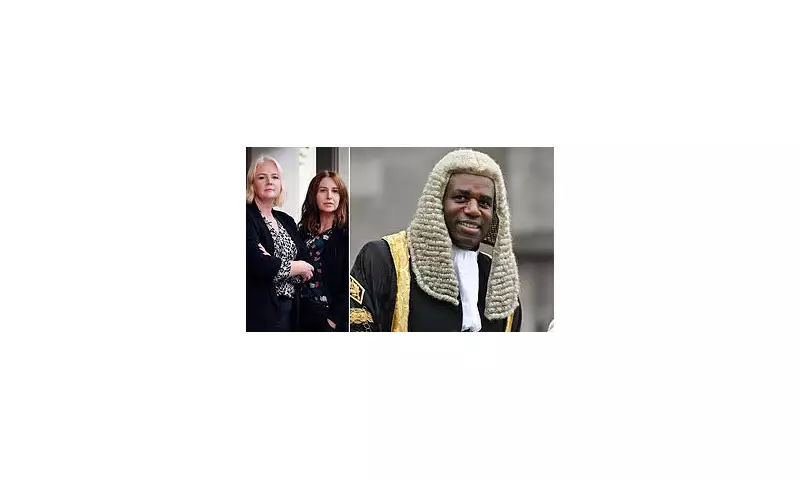
Plans by Justice Secretary David Lammy to reserve jury trials only for the most serious offences have been branded "terrifying" by a leading barrister, who warns the move will erode a fundamental British right and fail to solve the crippling court backlog.
A 'Fundamental Right' Under Threat
In a memo leaked to The Times, Lammy argued there should be "no right" to a jury trial in the UK. The proposal aims to tackle a record backlog of nearly 80,000 cases, with some trials now scheduled as far ahead as 2029. If enacted, it would mean approximately 75% of cases would be decided by a judge alone.
However, speaking on the Daily Mail podcast The Trial with hosts Caroline Cheetham and Liz Hull, Mary Prior KC delivered a scathing critique. She stated the real crisis stems from over 20 years of chronic underfunding across the entire justice system, not from the jury system itself.

"We keep being told there's a backlog of 80,000 cases. Well, there is," Prior said. "But that's because of chronic underfunding... Justice has always been the poor cousin of every Budget."
Backlog Symptom of Wider Crisis
Prior, a former chair of the Criminal Bar Association, argued the government is using the backlog figure to justify overturning 800 years of legal history. She highlighted that in 2006, the British public ranked trial by jury as one of their two most important rights, alongside free medical treatment.
She detailed a cascade of failures beyond the courts: prisons releasing inmates early due to lack of space, savagely cut probation officer numbers, and a significantly reduced police force. Within the court process, she pointed to shortages of defence solicitors, barristers, and court staff, with witness care officers often being volunteers.
"When you get to court, sometimes it's so cold that the court custody staff are not allowed to work by their employers," she added, illustrating the system's dire state.
Brain Drain and a Simpler Solution
The barrister also warned of a potential brain drain, citing a survey finding 45% of barristers would consider leaving if jury trials were scrapped. Young lawyers, she said, would be particularly likely to quit, deprived of the intellectual challenge and career progression such trials provide.
While the government claims limiting juries could save 20% of court time per trial, Prior dismissed the proposed overhaul as a multi-billion pound endeavour that wouldn't be ready until 2029. Instead, she advocated for a far simpler and cheaper solution championed by the Criminal Bar Association for years: open every courtroom in England and Wales every day.
"This would cost millions rather than billions and would not sow distrust in institutions," she argued.
Podcast host Caroline Cheetham, a veteran crime reporter, agreed the changes would damage transparency. She warned that without juries, complex evidence would no longer need explaining to ordinary people, making justice less accessible and potentially breeding public distrust and conspiracy theories.
"People already feel unheard," Cheetham said. "This will just take that one step further."






