
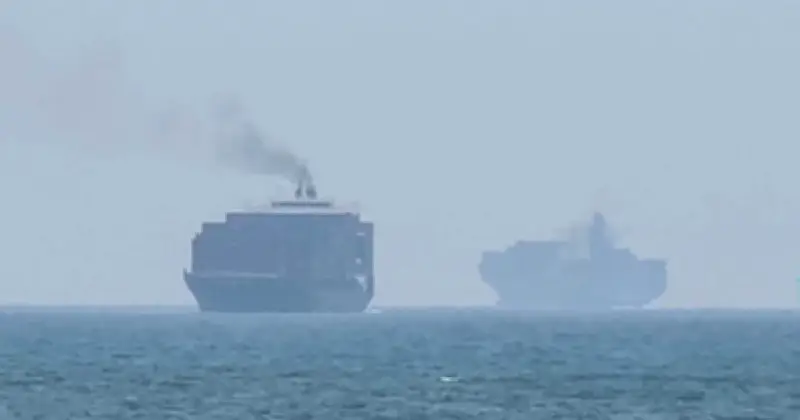
Iran has announced its full withdrawal from the US-Iran Memorandum of Understanding (MoU), accusing the United States of violations. Deputy Minister for Legal and International Affairs Kazem Gharibabadi declared that Iran will exercise "full sovereignty over the Strait of Hormuz, no matter the costs," according to The Hormuz Letter. This move includes taking control of Oman's half of the critical waterway.
Background of the Conflict
The Strait of Hormuz has been a flashpoint since February 28, when joint US-Israeli attacks targeted several key Iranian sites. In retaliation, Iran closed the strait, through which 20% of all globally traded oil passes. The closure disrupted international shipping and escalated tensions.
Failed Ceasefire Agreement
On June 17, the US and Iran signed an MoU aimed at ending the war within 60 days. The agreement sought to restore shipping through the strait and address Iran's nuclear program. However, US President Donald Trump declared the ceasefire "over" at a NATO summit in Türkiye, calling Iranians "scum." Gharibabadi stated that the US not only violated the agreement but dismantled it, particularly through a naval blockade on Iranian ports.
Iran's Stance on Sovereignty
Gharibabadi emphasized that while Oman normally shares control of the strait, "for national security reasons Iran must control all of the strait" during wartime, as reported by Tasnim news agency. He added that Iran "will never request negotiations with the United States." Reports indicate Trump announced strikes on all of Iran's power plants, bridges, and energy sites, starting next week, with additional strikes planned for consecutive nights.




