
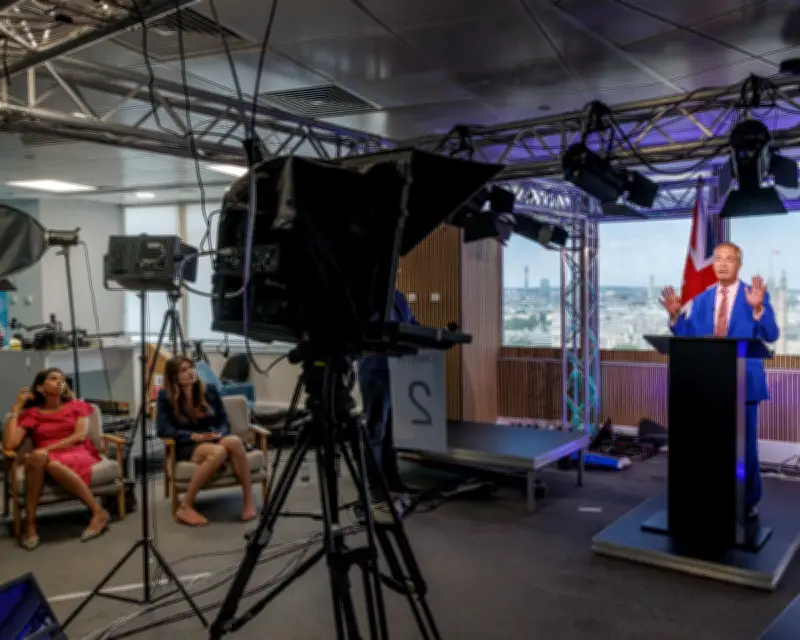
Nigel Farage, the Reform UK leader, has resigned as the Member of Parliament for Clacton, triggering a byelection that he has framed as a "people versus the establishment" contest. The move comes amid a series of investigations and allegations that have placed Farage and his party on the defensive.
Farage's Resignation and Byelection Announcement
Addressing the public on Tuesday via a Reform UK-operated video feed, Farage announced his decision to resign as an MP and seek a new mandate. He described the upcoming byelection as a chance for voters to adjudicate on the mounting investigations and allegations against him. The contest will take place in Clacton, including areas such as Jaywick, Frinton, and Walton-on-the-Naze.
Farage's majority in the 2024 general election was 8,405. However, the Liberal Democrat leader Ed Davey has called for a boycott of what he terms a "vanity project," and both Labour and the Conservatives are expected not to field candidates, potentially rendering the byelection meaningless.
Investigations and Allegations
The standards watchdog is still investigating a £5 million personal "gift" to Farage from Thailand-based cryptocurrency investor Christopher Harborne. Farage initially claimed the money was for personal security costs and did not need to be declared, later stating it was a "reward" for campaigning for Brexit.
Additionally, the Sunday Times has reported serious questions about Farage's longstanding ties to George Cottrell, a convicted wire fraudster and digital-currency betting entrepreneur. Cottrell reportedly paid three staff to work on Farage's social media output before the last general election and offered Farage the use of a five-storey Georgian townhouse near Buckingham Palace.
Labour MP Phil Brickell has referred Farage to the standards watchdog over a meeting with the Governor of the Bank of England last September. Farage admitted to arguing against the Bank's plans for a digital currency, known as Britcoin. Brickell argues this could be interpreted as lobbying on behalf of Harborne, who owns a sizable stake in the digital currency Tether.
Farage's Defense and Rhetoric
Farage has dismissed the investigations as attacks by a "decayed elite" who cannot beat him politically, resorting to "foul means." He has also complained about public spending on his security, the publication of a photo of his daughter's house by the Times, and alleged harassment by Sky News, which the broadcaster denies. He claims death threats have been repeatedly ignored by police.
Farage's rhetoric has shifted from raw populism to a message of "vote for me, I know how to make loads of money," appealing to voters in one of England's poorest areas.
Impact on Jaywick and Clacton
Jaywick, an enclave of Clacton, has been ranked as England's poorest area several times since 2011, most recently in October last year. Residents voted for Farage in 2024 with hopes of ending the area's neglect. However, Farage's extra-parliamentary earnings and international travel have raised questions about his commitment to the constituency.
When asked about Jaywick's poverty, Farage offered the observation that it was "obviously sad that things aren't improving more quickly." He claimed to have helped with investment and tourism but added, "There's a limit to what one person can do." Critics argue that Farage's focus on cryptocurrency and wealthy donors contradicts his image as a tribune of the people.
Broader Political Context
The government recently announced a £100,000 limit on donations from individuals moving to the UK from abroad, effective one year after their move, and new checks on companies making political donations. In March, a moratorium on crypto donations was announced. Farage has described these measures as authoritarian and akin to "a communist country."
Whether Farage wins or loses the byelection, the standards investigations will continue. The episode highlights the growing scrutiny of politicians who style themselves as populists while maintaining close ties to wealthy donors and cryptocurrency interests.




