

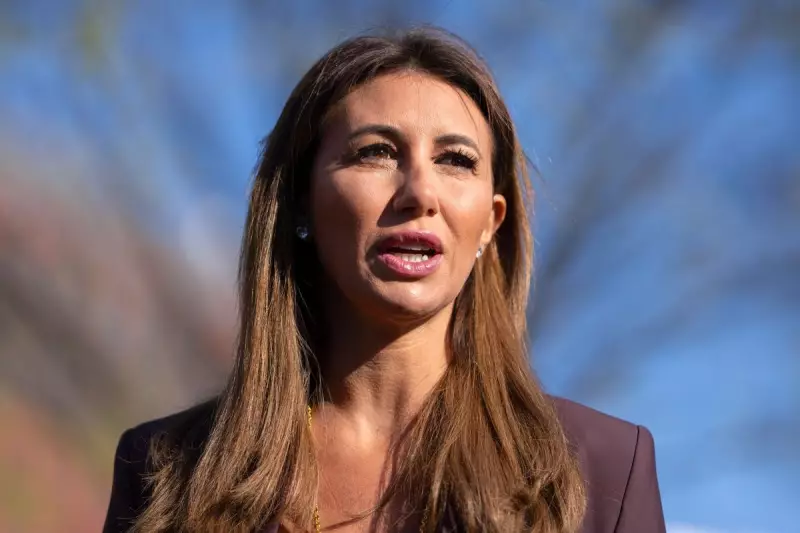
A federal appeals court has delivered a significant legal blow to former President Donald Trump's inner circle, affirming a ruling that disqualifies his former personal attorney, Alina Habba, from serving as the top federal prosecutor in New Jersey.
Judicial Panel Rejects Unlawful Appointment
The court panel declared on Monday 1 December 2025 that Habba is "unlawfully serving" as the US Attorney for New Jersey. This decision upholds a lower court's ruling and represents a major challenge to the Trump administration's practice of installing loyalists in critical law enforcement positions across the United States.
Habba's controversial tenure began after a brief period as "counselor to the president" at the White House. She was subsequently sworn in as the acting US attorney in her home state. However, her appointment sparked an immediate and protracted legal confrontation with the state's federal judiciary.

A Timeline of Legal Confrontation
The conflict escalated in July when New Jersey's federal trial judges, exercising their statutory role, nominated their own candidate to replace Habba upon the expiry of her standard 120-day term as acting US Attorney.
In a move that intensified the constitutional standoff, Attorney General Pam Bondi intervened within hours. She not only blocked the judges' nominee but formally "removed" Habba from the office, only to publicly rebuke the judiciary and then reinstate her as acting US attorney, thereby preserving her power as the state's chief federal prosecutor.
Defendants Challenge Legitimacy of Charges
Monday's definitive ruling is the result of a months-long legal battle initiated by defendants in New Jersey. They contested the legality of both Habba's continued tenure and the specific charges she brought against them after her initial term lapsed.
Their central argument was that Habba lacked any legal authority to prosecute once her 120-day term ended. They asserted a fundamental "constitutional right to be prosecuted only by a duly authorized United States Attorney." In court filings, their attorneys powerfully stated that "The illegitimacy of Ms. Habba’s appointment undermines … fundamental due process rights."
This ruling underscores a growing pattern of US courts scrutinising and rejecting appointments seen as politically motivated, ensuring that key prosecutorial roles maintain independence from the executive branch. The case continues to develop, with potential further appeals and ramifications for other similar appointments nationwide.






