
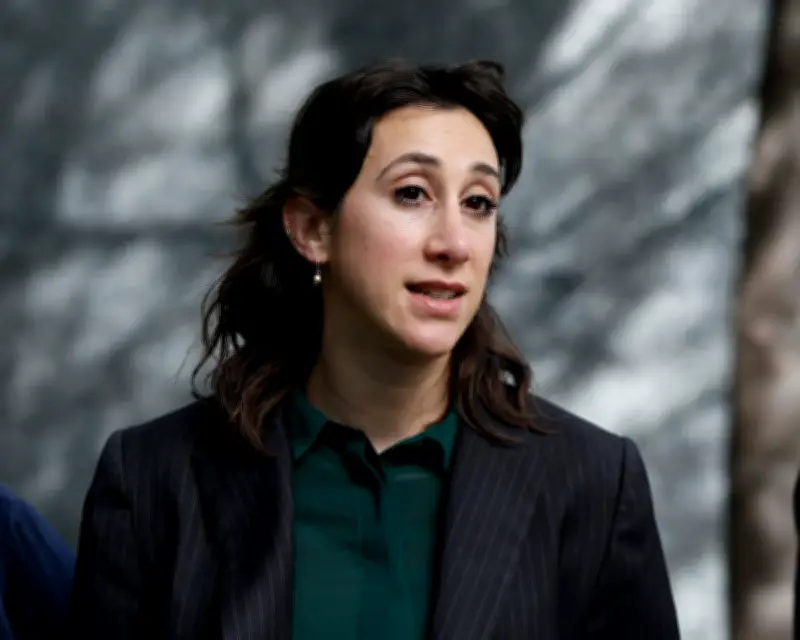
The executive officer of the Jewish Council of Australia, Sarah Schwartz, has made a submission to the royal commission on antisemitism and social cohesion, arguing that far-right extremism and the conflation of Jewish identity with Israel are the main drivers of antisemitism in the country.
Key Drivers of Antisemitism
In its submission, the progressive Jewish group calls for more focus on the often overlooked threat from the far right and recognition of the diversity of views within the Jewish community. It criticizes the tendency to treat Jews collectively as representatives of Israel.
Executive Officer Sarah Schwartz stated that the resurgent Australian far-right is a hotbed of antisemitism, even as it weaponizes Jewish grief to legitimize attacks on migrant communities and religious minorities.
Conflation with Israel
The submission highlights two important drivers: the growth of far-right, neo-Nazi, and conspiracist movements, and the aggressive actions of the state of Israel combined with the conflation of Jewish identity with Israel. It argues that this conflation, which Israel itself has cultivated, causes direct harm to Jewish people worldwide when they are blamed for Israel's actions.
Diverse Perspectives
Other submissions to the commission reflect a range of views. Daniel Aghion, president of the Executive Council of Australian Jewry, has been critical of the JCA, while Vic Alhadeff, former chief executive of the NSW Jewish Board of Deputies, told the commission that Jewish Australians have no agency in Israel's actions and should not be held responsible.
Jillian Segal, the government's special envoy to combat antisemitism, described the conflation of the Israeli government with Jewish people as Australia's fastest-growing form of antisemitism.
Policy Responses
The JCA argues that dominant policy responses, such as punitive legislation and silencing political dissent, make antisemitism worse. It warns that restrictions on pro-Palestinian speech and protest could backfire and weaken social cohesion.
The commission has received over 16,000 submissions. The next block of hearings, from June 29 to July 10, will focus on drivers of antisemitism and hate speech, with a focus on media and social media.




