
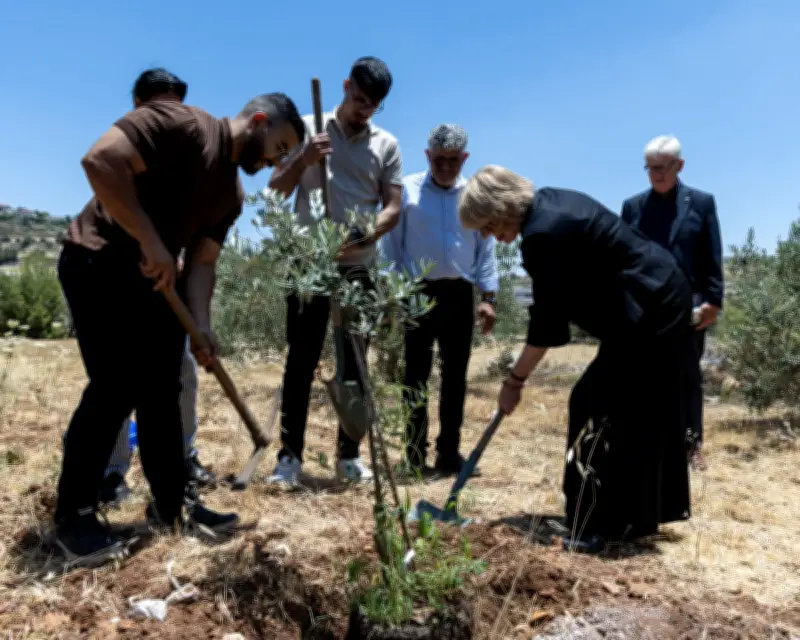
Sarah Mullally, the archbishop of Canterbury, has called for an end to the Israeli occupation of Palestine following a five-day pastoral visit to the region. In a joint letter with the Anglican archbishop of Jerusalem, Hosam Naoum, she urged Anglicans worldwide to press politicians to establish a credible path toward ending the occupation, leading to a viable two-state solution that allows Israelis and Palestinians to live in peace, dignity, and security.
Key Demands and Observations
The letter, published on Thursday, emphasized that Jerusalem's status should be determined through negotiation as a shared capital. The archbishops expressed fear for the long-term future of the indigenous Christian Palestinian presence in the Holy Land, noting that Gaza's health system is in a state of catastrophic collapse.
During her visit, Mullally spoke of the immense hardships and web of checkpoints Palestinians face in the West Bank, Gaza, and East Jerusalem. She preached that Jesus had lived under foreign occupation, drawing parallels to the current situation. She also planted an olive tree with the family of Daoud Nassar, Palestinian Christians who have been fighting Israeli attempts to seize their land since 1991 and have faced repeated settler attacks.
Symbolism and Resistance
Mullally stated that olive trees symbolize the deep roots of Palestinian Christians in the land, especially as many are leaving. She described the Nassar family as an example of Christian resistance to injustice. Lambeth Palace said the visit aimed to encourage Palestinian Christians at a time when communities are being violently forced from their land and illegal settlements are rapidly expanding across the West Bank.
In their letter, Mullally and Naoum wrote that they met families who feel unmoored and traumatized by endless conflict. They noted that in Israel, the aftermath of the 7 October atrocities has created intense sensitivity to danger, transforming society and politics. In the West Bank, unchecked settler violence, forced displacement, systemic discrimination, and expanding checkpoints have left the Palestinian population impoverished and powerless.
Moral Responsibility and International Law
The archbishops asserted that annexation is already taking place in all but name and that the international community bears a moral responsibility to relieve the suffering in Gaza and help rebuild its society. Mullally said the Middle East conflicts are symptomatic of a deeper political and spiritual crisis, including an abandonment of international law and an increasing recurrence of military force.
During her visit, Mullally met Layan Nasir, a 26-year-old Palestinian Anglican community worker freed after being jailed by the Israeli military, and the parents of Natalie Abu Dayeh, a Christian student held without charge. In the Christian West Bank town of Birzeit, she told worshippers at St Peter's church she would use her role as archbishop to seek the peace they desire and the freedom they deserve.
Upcoming Church Debate
In her sermon, Mullally referenced the Gospel of Matthew, noting that Jesus spoke to a community living in fear under foreign occupation. The Church of England's General Synod will debate a motion to review investment policies in the region next month. The bishop of Chelmsford, Guli Francis-Dehqani, said the debate would be about justice and human dignity for everyone.




