
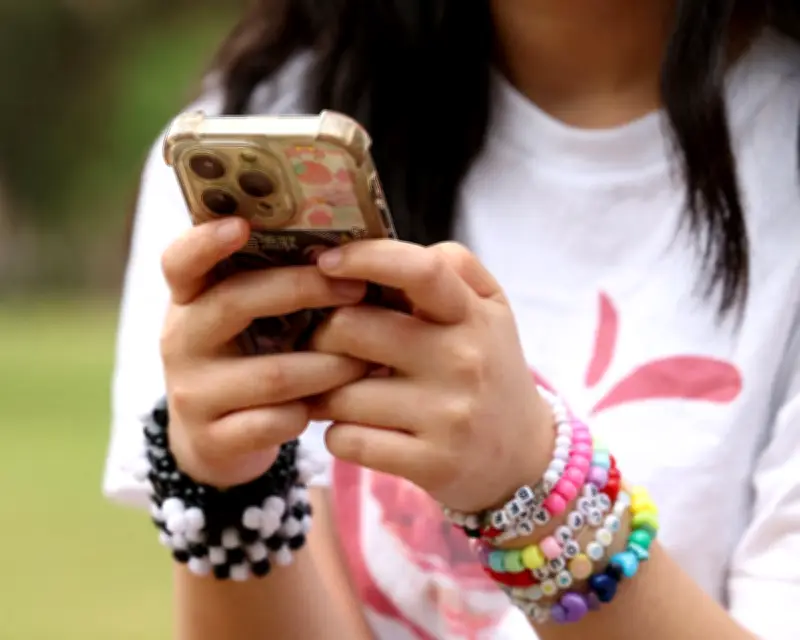
More than 80% of under-16s in Australia reported still using social media three months after legislation banning them from it came into force, according to research from the University of Newcastle. The study, published in the BMJ, examined 408 adolescents aged 12 to 17 and concluded that Australia's social media minimum age legislation has resulted in "limited implementation, incomplete compliance, and substantial circumvention of social media restrictions."
Limited Impact of the Ban
The Australian ban, the first of its kind globally, has been in effect since December 2025, prohibiting under-16s from having accounts on platforms such as TikTok, X, Facebook, Instagram, YouTube, and Snapchat. However, the study found only a minimal reduction in daily social media usage three months after the ban. About 85% of teenagers said they were still using social media, with more than half using their own accounts.
"Overall, we found insufficient evidence to conclude that exposure to the act [of parliament] had any early substantial effects on social media use among adolescents aged under 16 years," the authors wrote.
Age Verification Gaps
A major factor in teenagers' continued access was inadequate age verification checks. Although two-thirds of teenagers said they had to complete age verification, only 5% of 12- to 13-year-olds and 11% of 14- to 15-year-olds were required to provide a photo of official ID. The most common checks were simply asking teens their age or uploading a selfie.
A significant minority actively bypassed restrictions: about 15% of 12- to 13-year-olds and 19% of 14- to 15-year-olds used fake accounts, while around 3% used VPNs. The study suggested the ban might be more effective for children under eight than for adolescents already using social media.
Implications for the UK and Other Countries
The findings carry implications for nations considering similar bans, including the UK, where a proposed social media ban is due in 2027. Andy Burrows, chief executive of the Molly Rose Foundation in the UK, said the research shows bans alone do not keep under-16s off platforms or reduce time spent on high-risk sites. "Unless ministers have a coherent plan to urgently learn lessons, the UK's ban will similarly unravel. Parents will be left with false hope and a misplaced sense of their children's safety," he said.
Rachel de Souza, the children's commissioner for England, added: "A ban should not be seen as a silver bullet. We have to go further so that all online services – not just social media platforms – that use harmful features and functionalities should be banned from access to all children."
Prof Dennis Ougrin, consultant child and adolescent psychiatrist at Queen Mary University of London, said the study provides an "important early reality check for policymakers" but it is "too early to conclude that the policy has failed." He noted the key question is whether restrictions improve outcomes like mental health, sleep, and exposure to harmful content.
A UK government spokesperson said: "Our approach goes further than the Australia model and will be underpinned by stronger, more effective age verification checks to make it far harder for children to get round safeguards. As the technology secretary has made clear, this ban is as much about helping future generations, and resetting social norms in future, as it is about young people today."




