
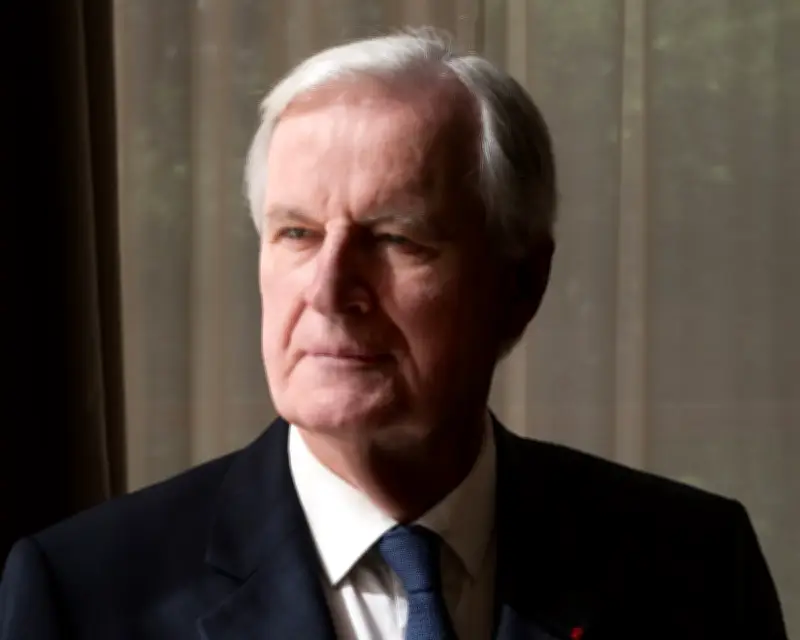
Michel Barnier, the EU's former chief Brexit negotiator, has stated that the United Kingdom could regain its special pre-Brexit terms if it decides to rejoin the European Union. In an exclusive interview with the Guardian, Barnier claimed that staying out of the eurozone and the Schengen passport-free travel area would be "perfectly possible."
Barnier's Comments on UK Rejoining EU
Speaking ahead of the 10th anniversary of the Brexit referendum, Barnier said he saw no obstacle to the UK keeping the pound and remaining outside Schengen. His remarks challenge suggestions from some authoritative voices, including Poland's foreign minister, that the UK might face stricter terms upon re-entry. This could bolster campaigns for rejoining, as polls show stronger support when old terms are available.
EU Treaty Obligations
Under EU treaties, all member states are expected to join the euro, except Denmark, which has a permanent opt-out. New members are also legally required to join Schengen once they meet technical and security requirements. However, Barnier noted that precedents exist: five of the 13 countries that joined the EU since 2004 have not yet adopted the euro, and Ireland has an official opt-out from Schengen.
Barnier, who served as French prime minister in 2024 and remains influential in Brussels, declined to comment on whether the UK could retain the rebate secured by Margaret Thatcher. He emphasized that the EU's core principle is solidarity, and any re-entry terms would be subject to negotiation.
Brexit's Impact and Current UK-EU Relations
Barnier will attend a UK in a Changing Europe conference in London on Tuesday. His interview comes as the next round of UK-EU "reset" talks is scheduled for 22 July in Brussels. Senior EU diplomats have warned that momentum is waning, with the UK resisting calls to restore lower pre-Brexit tuition fees for EU students.
Reflecting on Brexit, Barnier said he remains convinced the UK made the wrong choice, with evidence becoming clearer daily. While not attributing all UK problems to Brexit, he argued that issues like slow economic growth and toxic immigration debates are exacerbated by the decision. He noted that the government's desire for closer economic ties is hindered by its rejection of free movement.
Political Context and Future Prospects
With France facing a potential far-right presidency, Barnier stressed the EU cannot show flexibility on trade for fear of emboldening nationalists. Asked if the UK might rejoin in his lifetime, the 75-year-old said, "I don't know the length of my life," but added that Britons will increasingly see the dangers of isolation.
Recent YouGov polling shows 57% of Britons think leaving the EU was wrong, including 23% of leave voters. Support for rejoining stands at 55%, but drops to 35% if opt-outs are lost, with 43% opposed. Barnier, who may run for French president, proposed a new European council for defence and security, including the UK, Ukraine, and Norway, to cooperate on military and technology initiatives.




