
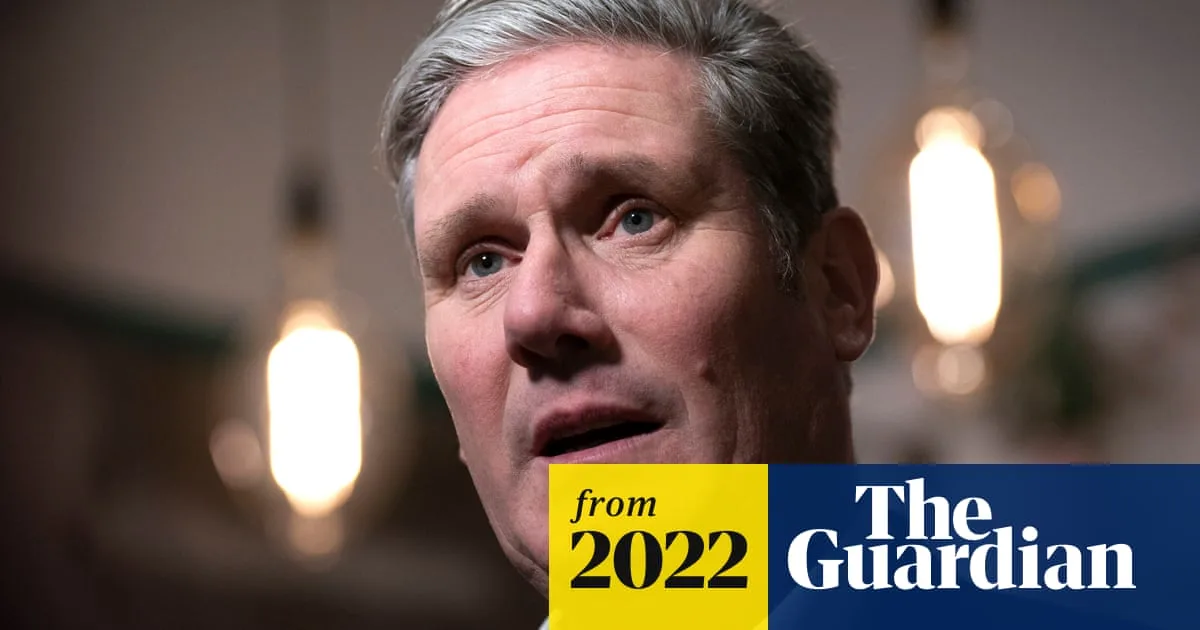
Keir Starmer has argued that rejoining the EU's single market would not boost UK economic growth, saying it would create 'years of uncertainty' for businesses. The Labour leader insisted that as prime minister he would instead seek to improve the post-departure deal agreed by Boris Johnson.
Asked on BBC Radio 4's Today programme if single market membership would benefit UK growth, Starmer said: 'No, at this stage I don't think it would, and there's no case for going back to the EU or going back into the single market. I do think there's a case for a better Brexit.'
Pressed on why he believed this when many UK firms have reported difficulties exporting to and importing from the EU, Starmer said the single market was not the solution. 'Trade has gone down because the deal we have got is not a very good deal,' he said. 'I think we could move from getting Brexit done to making Brexit work.'
Starmer insisted he would not revisit the idea even if trade barriers with the EU appeared to be harming growth. 'I understand, and will absolutely improve on the deal that we've got,' he said. 'But let's just recognise that the low growth in our economy has been going on for 12 years. It preceded Brexit, it preceded Covid and it preceded Ukraine.'
The Labour leader's stance is arguably more uncompromising than that of Chancellor Jeremy Hunt, who last month said 'unfettered trade with our neighbours' was beneficial but that single market membership was politically impossible due to free movement.




