
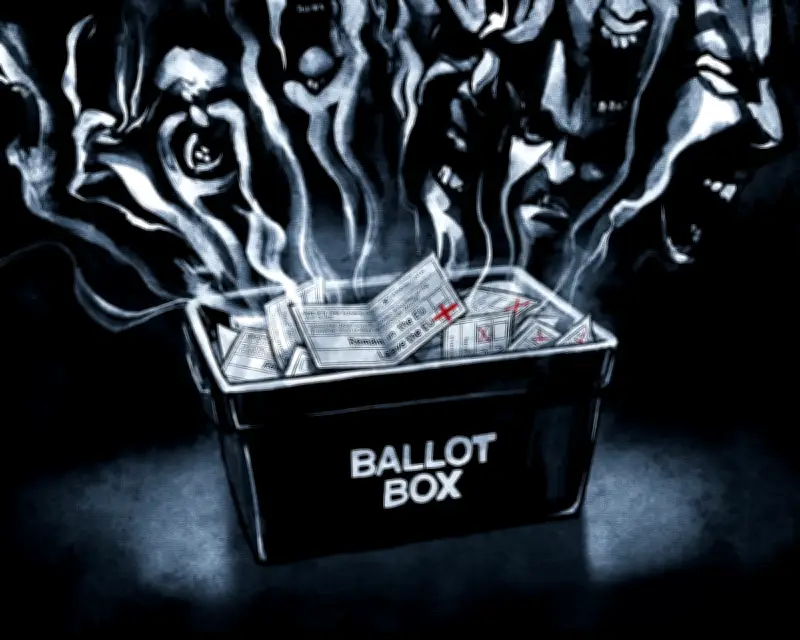
Ten years on from the historic Brexit vote, Britain is living with its ghosts, as the political narrative remains divided between the common room, the conference room, and the streets. While mainstream stories focus on elite infighting or trade impacts, the underlying anti-establishment rage that drove the Leave vote continues to shape today's politics, with right-wing parties like Reform UK and Restore Britain gaining ground.
The Common Room and Conference Room Narratives
The common room story, exemplified by the BBC documentary Brexit: A Very British Civil War, portrays Brexit as a fallout among chums—friendships forged on playing fields and over kitchen suppers, dashed by ambition. It recounts deals struck over tennis and threats from the then prime minister, David Cameron, who warned dissenters: "I will fuck you up for ever." This narrative reduces Brexit to an Oxford fracas gone awry.
In contrast, the conference room story focuses on economic damage and the possibility of rejoining the European club. Here, Brexit is about trade and contracts, lamented by suits who bemoan GDP losses. Both narratives, however, ignore the streets—the rainy polling stations where ordinary people queued on 23 June 2016, many for the first time in years.
The Streets: A Revolt Struck from the Official Narrative
The slim majority that voted Leave did so not necessarily out of concern for the EU, but as a giant vote against the establishment. Despite the government, opposition, Treasury, Bank of England, CBI, TUC, and employers urging a Remain vote, the public delivered a huge raspberry to their masters. In the aftermath, politicians like Andy Burnham and Boris Johnson attempted to channel this anger, but "levelling up" remained a slogan rather than a policy. Ten years later, this revolt has been erased from the official narrative.
Yet this street story is the most important. It directly shapes today's politics, from the by-election in Makerfield, Wigan—where two-thirds voted Leave in 2016—to the rise of Reform UK and Restore Britain, parties that didn't exist a few years ago. Voters are again voicing distrust of the two-party system, having been lied to about bank stability, austerity, and wages.
Witnessing the Anger: From South Wales to Dorset
Before the referendum, reporting in south Wales revealed a Labour heartland ready to vote against its party's advice. In Llanhilleth, a miner's institute rescued with EU money stood as a monument to better times. Gareth Meek, a former carpet fitter, pulsed with anger—not at Eurocrats, but at Thatcher, Blair, and Cameron. "They sold the country out," he said, adding that the damage was already done.
Not all Leave voters were from post-industrial towns. At a fete in east Dorset, a pensioner complained about migrants overrunning London, though she rarely visited. "I just want my country back," she said, revealing the same twitch of rage. The politics expressed itself as anti-establishment and anti-immigrant, but often the target was feeling left behind. Even then, anti-immigrant feeling could turn violent, as seen in the murder of Jo Cox and hate mail sent to Polish-origin schoolkids.
From 'Breaking Point' to 'Pure Cold Rage'
Ten years ago, it was "breaking point" posters; today, it is "pure cold rage." Extremism has become mainstream, with Westminster and the information economy enabling it. A forthcoming Hope Not Hate survey shows 29% of people agree that "violence can be necessary to defend something you strongly believe in." Rather than tackling the economic and social basis of disaffection, Westminster has left it to Nigel Farage to turn into ethnic resentment.
Starmer's EU reset is aimed solely at the conference room. For the streets, he took his cue from a branding agency: "The use of the flag, veterans … give voters a sense of authentic values alignment." What began as an anti-elite revolt now sees the political establishment chasing voters for fear of being left behind, echoing the French revolutionist Ledru-Rollin: "There go the people. I must follow them, for I am their leader."




