
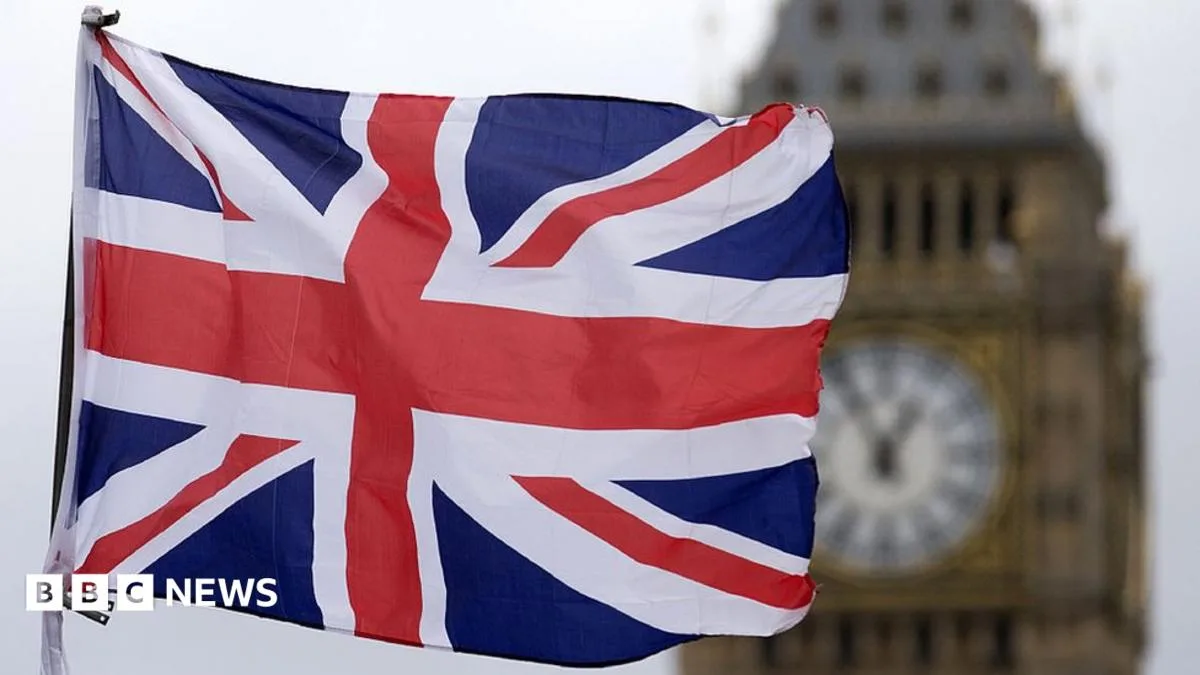
The aftermath of the Brexit referendum is reshaping British politics, with new divisions emerging beyond the initial Leave-Remain split. Political observers note that while many politicians claim 'we are all Brexiters now', the real debate centres on the terms of departure.
Two main factions are crystallising: 'hard Brexiters' who prioritise curbing EU immigration and favour a swift exit, even at the cost of single market access, and 'soft Brexiters' who seek a gradual departure and wish to retain close economic ties, including single market membership with concessions on free movement.
This divide echoes historical splits, such as the 19th-century Corn Laws controversy, which pitted free trade against nationalism. Analysts suggest the current rift could severely strain both the Conservative and Labour parties, as it reflects deeper class and regional tensions.
Meanwhile, the 48% who voted Remain continue to question the referendum's legitimacy. Former Prime Minister Tony Blair has argued that if public opinion shifts, a second referendum should be considered. The Liberal Democrats see this as an opportunity to regain relevance by championing a pro-European stance.
However, academics warn against overturning the result. Professor Anand Menon notes that the referendum was partly a protest against a system that no longer represents many citizens. He recounts a town hall event in Newcastle where a voter dismissed GDP concerns, saying 'That's your bloody GDP, not ours', highlighting the disconnect between elites and the public.




