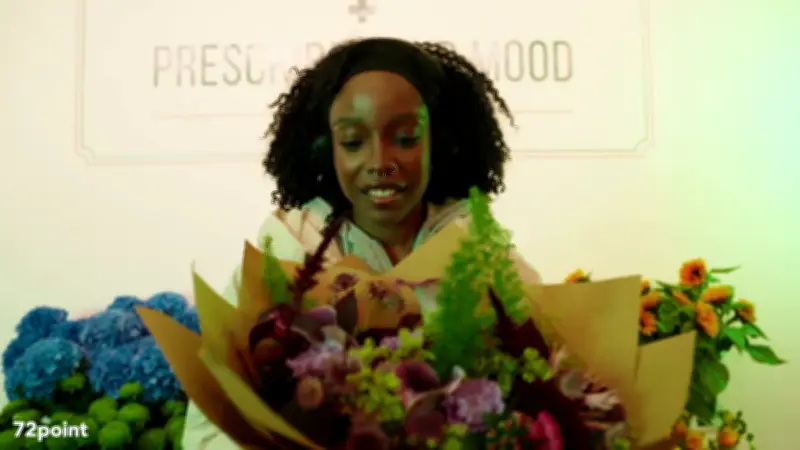
The UK's first 'Flower Pharmacy' has opened its doors, prescribing bouquets instead of medicine to those in need of a mood boost. The one-off experience is designed to encourage people to think differently about flowers, showing how they can play a role in everyday wellbeing rather than being reserved for birthdays, anniversaries and other special occasions.
A Prescription for Mood
The new pharmacy has been created in partnership with Plants and Flowers Foundation Holland, and chartered horticulturist, TV gardener and author David Domoney. Guests are matched with flowers tailored to their mood, before leaving with a bouquet recommended to lift, calm or energise them.
Yellow flowers, including sunflowers, roses, freesias and snapdragons will be prescribed to boost happiness. While calming bouquets will feature blue and green blooms such as hydrangeas, delphiniums and chrysanthemums, with vibrant orange, red and pink flowers used in arrangements designed to energise.
Seasonal Struggles
It comes as a poll of 2,000 adults found 37% struggle when the clocks go back, with 29% admitting the end of British Summer Time leaves them feeling glum.
"There's something incredibly uplifting about flowers, and research has shown that they can have a positive effect on our mood and emotional wellbeing," said David Domoney.
"We often associate flowers with special occasions, but there's no reason we shouldn't enjoy their beauty and the benefits of having them around us in everyday life. Sometimes, it's the simplest connections with nature that can make a real difference to how we feel."
Everyday Benefits
The study found 31% spend more time indoors following the clock change, while 28% find the darker evenings difficult and 22% experience lower energy levels.
In response, 86% of those affected employ a host of methods to boost their mood. Almost a quarter (23%) turn to nature, while 22% go for country walks and 12% spend time gardening.
But despite the mood-lifting qualities of flowers, only 38% have never considered buying themselves a bunch. They are most commonly associated with Mother's Day (20%), Valentine's Day (18%), weddings (15%) and birthdays (13%).
Emotional Impact
Half said they feel happy after being gifted some, while 45% grateful and 34% joyful, and 24% feel comforted.
More than half (53%) said fresh flowers make them happier than everyday treats such as coffee, something sweet or a takeaway, rising to 70% among 25 to 34-year-olds. Yet many still stop short of treating themselves to flowers, with just 9% doing so regularly.
Meanwhile, 21% said they would like to buy them more often, while 16% regard blooms as an occasional treat.
Monique Kemperman, horticulture expert for Plants & Flowers Foundation Holland, added: "As the days become shorter and darker, small acts of self-care can make a real difference, and flowers are a simple way to bring colour, joy and positivity into everyday life.
"Our research shows just how much of an emotional impact they can have, yet many people still reserve them for somebody else or a special occasion."
The Flower Pharmacy is about encouraging people to see flowers as an everyday wellbeing boost rather than a treat saved for occasions.