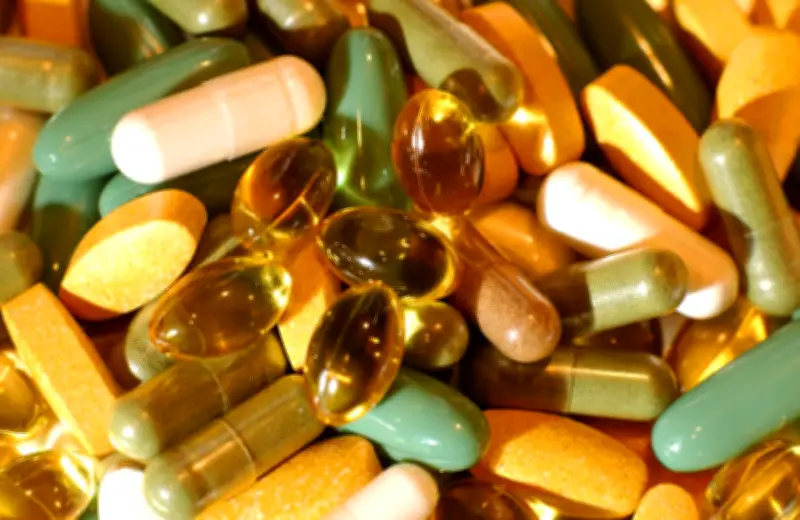
Postbiotics, defined in 2021 as preparations of inanimate (dead) micro-organisms or their components that have demonstrated health benefits, are emerging as a new focus in gut health research. While probiotics have long been a wellness staple, scientists are now exploring how inactive microbes may deliver their own benefits, from digestion to skin health.
What Are Postbiotics?
According to Professor Colin Hill, a microbiologist at University College Cork, postbiotics primarily interact with the immune system, "strengthening gut barrier function and influencing inflammation." Though research is still in its infancy, two small-scale trials published this year suggest targeted postbiotic supplementation may help reduce gastrointestinal discomfort and improve skin appearance in midlife women.
Hill explains that research has moved through probiotics (live bacteria) and prebiotics (which feed existing microbes) to postbiotics as a natural progression. Crucially, "mechanisms may be bacterial strain specific," says Hill, "so you have to use the one with demonstrated efficacy in the specific area you are looking to address." He points out that "there is good evidence for certain postbiotics in metabolic syndrome, a chronic condition that affects a significant part of the population."
Practical Advice and Products
Dr Emily Leeming, researcher at King's College London and author of Fibre Power, advises, "pick the specific product with a trial for the problem you want to solve, try one thing at a time and stop after about 12 weeks if nothing changes."
Targeted benefits are the premise behind The Postbiotic Company. "We now understand that bacteria don't necessarily have to colonise the intestine or even remain alive in order to interact with us," says Kate Arnold, the firm's gut health specialist. The company offers formulations for areas such as gut health, women's health and healthy ageing.
The Role of Diet and Fibre
Microbiome health starts with what we eat. "A diverse diet containing plenty of plant foods and fibre provides the raw materials our gut microbes need," says Arnold. Leeming agrees, explaining, "our gut microbes make their own beneficial compounds, like butyrate [a short-chain fatty acid and cell energy source which regulates inflammation], every time you feed them fibre."
According to Leeming, fibre is a major microbiome missing link. "96 per cent of UK adults aren't eating the recommended 30g a day. For most people a tin of beans is a better investment in their gut than a postbiotic capsule." All three experts agree fermented foods are another beneficial addition, with Leeming citing a Stanford University trial which found "a high fermented food diet increased gut microbiome diversity and lowered inflammation markers."
Complementary, Not a Replacement
When it comes to wellbeing, nothing is a magic bullet. "[Postbiotic] supplementation should complement good nutrition rather than replace it," says Arnold. But as she explains, one of the most interesting — and promising — things about postbiotics is, "the bacteria don't have to be alive to have a biological effect." This makes them easier to store and formulate than live products. Leeming adds, "researchers are also interested in groups who can't safely take live bacteria, such as the severely immunocompromised." It may well turn out, for our gut, keeping bacteria alive isn't always the point.