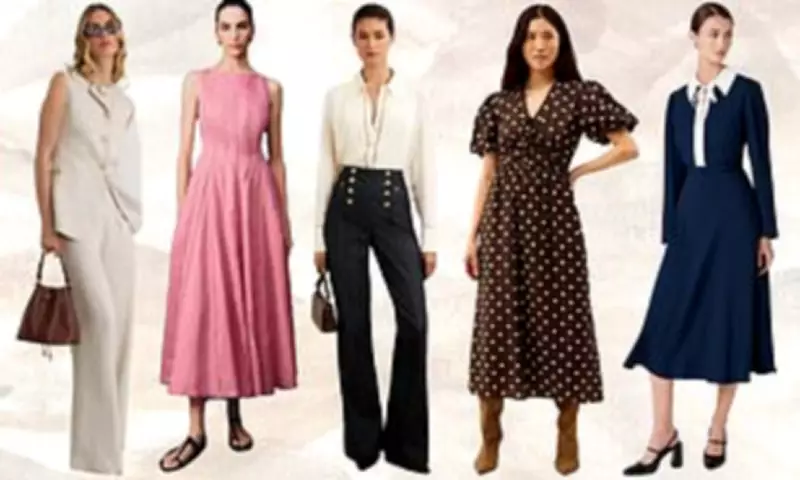
When it comes to office dressing over 50, the focus shifts away from following trends and more towards refining your personal style. The key is to strike a balance between professionalism and ease, choosing pieces that feel modern, flattering and effortlessly put-together.
Expert Insights on Modern Office Style
'It's less about chasing trends and more about clarity, quality and presence,' celebrity stylist and creative director Rochelle White tells the Daily Mail. 'We're seeing greater visibility and influence from women over 50 across fashion, media and business, which is helping to redefine what "appropriate" looks like in a professional setting. The conversation has moved away from age-based rules and towards credibility, confidence and polish.'
It's often the smallest details - from precise tailoring to considered fabric choices - that have the greatest impact. Below, we break down what to wear, what to avoid, and the key pieces worth investing in now, alongside a high street edit to shop.

Avoid: Ill-fitting Tailoring
Anything too tight or overly boxy can instantly undermine your look. Poorly fitted pieces tend to look dated and can throw off proportions, so it's worth investing in alterations where needed. Rochelle highlights that 'precision is what elevates and pulls a look together,' reinforcing the importance of clean lines and a considered fit.
What to Wear Instead: Structured Blazers
A well-cut blazer instantly sharpens any look - and works just as well with dresses as it does with tailored trousers. It's a cornerstone piece, according to Rochelle. 'A strong blazer anchors everything. It creates shape, authority and versatility, whether paired with tailoring, denim or dresses.' Consider options like the John Lewis Double Breasted Linen Blazer, Reiss Jules Single-Breasted Suit Blazer, or M&S Single Breasted Blazer.
Avoid: Overly Casual Pieces
While dress codes have relaxed, overly casual staples - think worn denim, slouchy knits or gymwear - can feel out of step in a professional setting. 'Outfits or overly casual staples can dilute authority, particularly in more structured environments,' Rochelle explains. 'Items like leggings and basics can sometimes work, but only when they're paired with good tailoring.'
What to Wear Instead: Fit and Flare Dresses
Universally flattering and easy to wear, fit-and-flare dresses offer a welcome alternative to traditional tailoring. The cinched waist and softly structured skirt create definition while allowing for ease of movement - ideal for long office days. 'These offer shape without restriction and define the silhouette in a way that feels polished but still effortless,' Rochelle explains. Look for styles like the M&S Autograph Godet Dress, Monsoon Polka Dot Midi Dress, or Ghost Lillian Crepe Collared Neck Midi Dress.
Avoid: Loud or Distracting Prints
Bold patterns can overwhelm and detract from an otherwise sophisticated outfit. Subtle prints or classic motifs tend to feel more refined and easier to incorporate. 'Bold prints aren't off-limits, but they need to feel intentional and well paired,' says Rochelle. 'Overly busy patterns can detract from your presence rather than enhance it.'
What to Wear Instead: Elevated Basics
Building your wardrobe around beautifully cut essentials, such as crisp shirts, tailored trousers and streamlined knitwear, creates a strong foundation that's easy to update seasonally. 'This is where modern dressing sits: clean lines, strong cuts and pieces that can be styled multiple ways. Simplicity, done well, always reads as expensive,' Rochelle notes. Key pieces include the Boden Double Cloth Top, Reiss Skylar Button Flared Jeans, or Jigsaw Silk Habotai Relaxed Shirt.
Avoid: Creased Clothing
Wrinkled fabrics can give the impression of carelessness. Keeping garments freshly pressed ensures your outfit always feels put-together. According to Rochelle: 'This is simple, but often overlooked. Creasing disrupts the overall sharpness of a look and can read as unprepared. It can also come across as unprofessional no matter what level you work at.'

What to Wear Instead: Premium Fabrics
Natural fibres like silk, cashmere and wool blends not only look more luxurious but also drape better and last longer, making them a smart investment. 'Fabric can say a lot without saying anything - it often does the work for you. Higher-quality materials hold their shape, move well and instantly elevate even the most minimal outfit.' Consider the Reiss Seren Pleated Midi Skirt, Boden Lace Dress, or John Lewis Cashmere Crew Neck Cardigan.
Avoid: Dirty or Scuffed Shoes
Footwear can make or break an outfit. Even the most flawless look will fall flat if paired with worn or unkempt shoes, so regular upkeep is essential. 'No one likes these or takes anyone seriously when footwear looks old, tatty or dirty,' Rochelle points out. 'Having good and clean footwear signals standards. Footwear, in particular, is often where polish is either reinforced or lost.'
What to Wear Instead: Polished Footwear
Sleek shoes offer the perfect blend of comfort and sophistication, grounding an outfit while still feeling modern and office-appropriate. 'Polished shoes reflect where office style has evolved to - smart and practical, but still refined. They offer authority without trying too hard.' Look for M&S Satin Mary Jane Pumps, Boden High Cut Ballet Flats, or H&M Kitten Heel Pointed Slingbacks.
Ultimately, it's about how an outfit makes you feel. 'Dressing well in a professional environment isn't about playing it safe - it's about being intentional, showing personality and owning your look,' Rochelle says. 'The focus should be on pieces that align with your lifestyle, your role and your personal standard. When that's clear, everything else follows.'