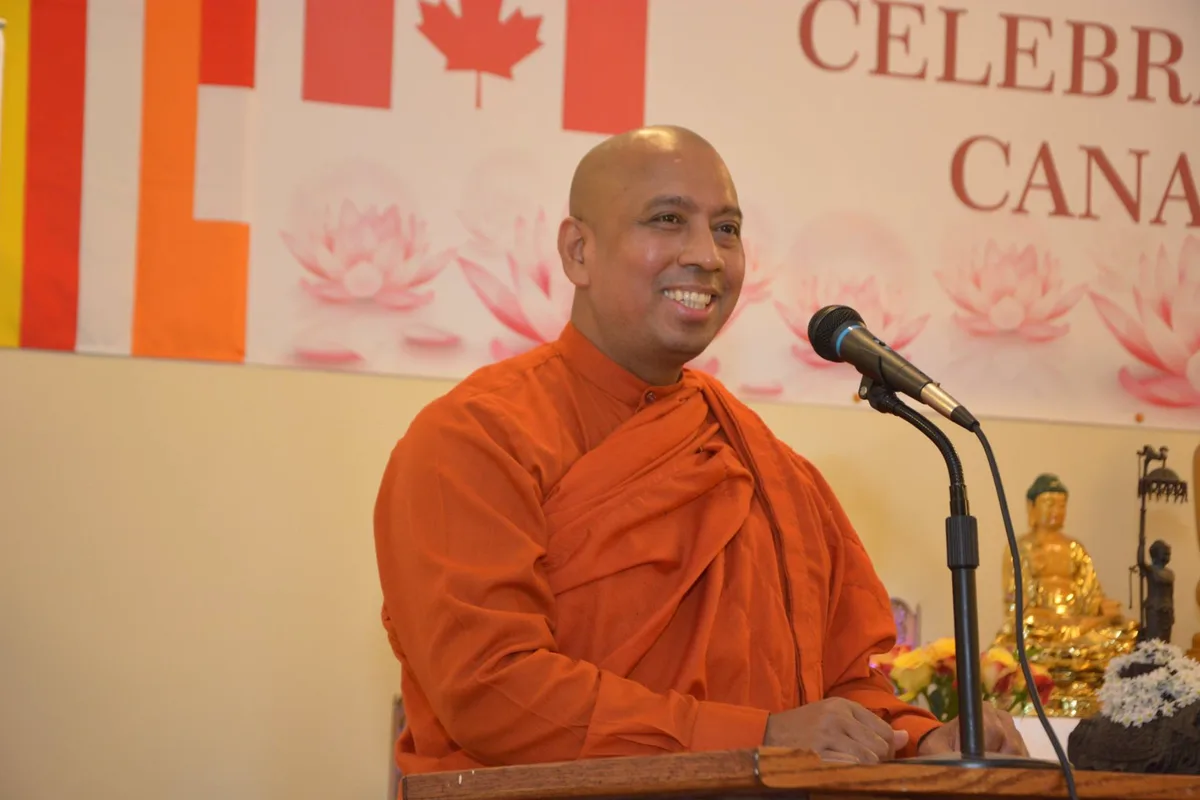
On December 21, World Meditation Day is observed in the United States, shining a light on the ancient practice gaining modern relevance. To explore its profound impact on wellbeing, The Independent spoke with Bhante Saranapala, a Buddhist monk based in Toronto, whose life exemplifies the transformative power of mindful practice.
The Monastic Path to a Calmer Mind
Bhante Saranapala embarked on his monastic journey at the age of 10 and has dedicated over four decades to Buddhism. Now 53, he conducts weekly meditation sessions and monthly retreats in Toronto, guiding others towards better mental health through mindfulness.
For Saranapala, each meditation—practiced morning and night—is anchored in the Buddhist pursuit of Nirvana. This state, representing the ultimate enlightenment and cessation of suffering, forms the core objective. "Meditation has to be done based on the foundation of morality," he asserts. "We practice meditation to purify the mind, because our actions can be rooted in negative emotions."
He explains that the practice grants the wisdom to perceive reality clearly, recognising the impermanent nature of all things and understanding that painful events are often beyond our control.
Accessible Tools for Everyday Life
While rooted in Buddhism, Saranapala emphasises that the meditative techniques are universally applicable. Beyond the classic cross-legged posture, a fundamental aspect involves training oneself to breathe slowly and silently. This becomes a crucial anchor during overwhelming moments of stress, grief, or depression, preventing impulsive reactions.
"You are being kind to yourself. You're calming your body and mind. You're letting go of what's bothering you," he says. "And once you remain calm and stable at the same time, it becomes contagious. Your calm presence also helps the people around you."
This philosophy is shared by George Wiegand, a California resident who began exploring meditation in his early thirties. He studies Tibetan Buddhism, a branch that preserves original Indian philosophies and emphasises the Dalai Lama's teachings on kindness. For 40 years, Wiegand has lived and volunteered at the Tibetan Nyingma Meditation Center in Cazadero, dedicating an hour daily to practice.
"There's always a mental component and learning through meditation what my contribution is to my perceptions," Wiegand notes. He describes 'calm abiding' meditation, which involves sitting and observing without attachment, leading to clearer insight into one's mind and body.
The Rising Tide of Meditation in the West
The embrace of meditation is demonstrably growing. According to the US National Health Interview Survey, the percentage of adults who meditated more than doubled from 7.5% in 2002 to 17.3% in 2022. Research supports this trend: a 2018 study in Behavioural Brain Research found that brief, daily meditation boosted memory, mood, and emotional regulation in beginners. The Mayo Clinic also states that even a few minutes daily can reduce anxiety and stress while improving patience.
For Saranapala, the benefits are deeply personal and pervasive. He reports clearer thinking, a calmer mind, sharper concentration, and greater self-awareness. "I have an emotional balance and no stress. I have stronger resilience," he shares. The practice also enriches his relationships through better listening and more mindful communication, allowing him to live with meaning and direction, free from resentment.
Crucially, for Saranapala, meditation does not conclude with the session. He strives to maintain mindful presence throughout the day, whether shopping or conversing. Without this anchor, he warns, negative thoughts can easily intrude, such as the mounting irritation when stuck in traffic.
"With mindfulness, you have an 'aha' moment, and realise you were just behaving this way out of anger," he explains. "The moment you notice you're angry, you can stop the anger from growing. It stops right there."
Wiegand cautions against viewing meditation merely as a quick self-help fix. For him, it is the more demanding work of confronting reality's nature. "Buddhism is about looking inside for peace and happiness. We’re not trying to get anything, we’re uncovering what’s already there," he reflects. "It's a slow process." Yet, it is a process that has allowed him, and countless others, to find a sustainable source of peace within.