Gen Z Turns to Italian Grandmothers for Longevity Secrets Through Nonnamaxxing
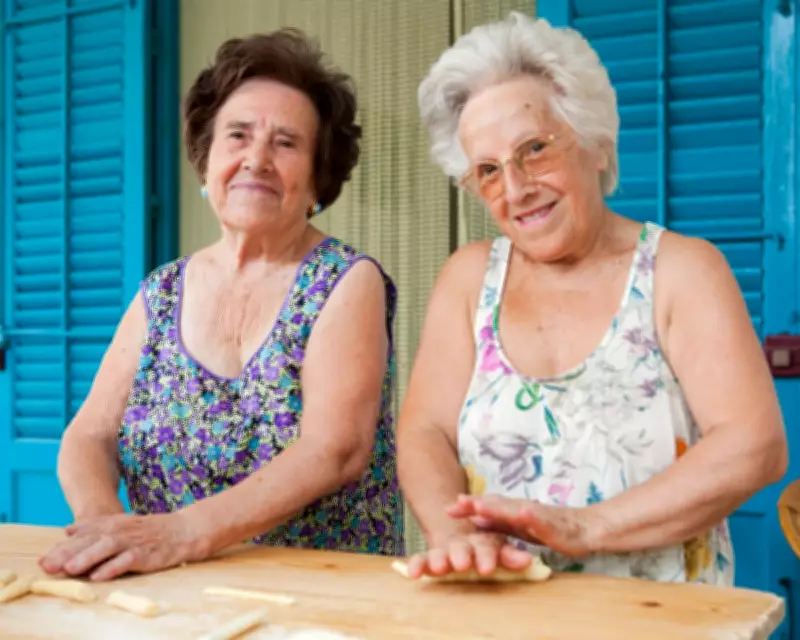
In a surprising cultural shift, Generation Z is increasingly looking to Italian grandmothers, or nonnas, for guidance on living a long and fulfilling life. This trend, dubbed "nonnamaxxing," involves emulating the traditional lifestyles of elderly Italian women, who are often celebrated for their vitality and longevity.
What Is Nonnamaxxing?
Nonnamaxxing refers to the practice of adopting the habits and routines typical of Italian grandmothers, typically aged 70 to 100 or older. These women are known for their lively demeanors and traditional ways of life. The concept involves "maxxing" or optimizing these behaviors to potentially extend one's lifespan and enhance well-being.
Key aspects of nonnamaxxing include:

- Walking extensively instead of relying on vehicles
- Preparing homemade meals, often following Mediterranean recipes
- Prioritizing family time and community involvement
- Maintaining an active interest in the lives of others
The Blue Zone Connection
The rationale behind nonnamaxxing is rooted in the concept of Blue Zones, regions where people statistically live longer than average. Italy, particularly Sardinia, is recognized as one such Blue Zone. Nonnas traditionally embody the lifestyle factors that contribute to longevity in these areas.
Research has shown that the following elements, commonly practiced by nonnas, promote health and longevity:
- Physical Activity: Regular walking and daily chores keep the body engaged.
- Diet: A homemade Mediterranean diet rich in fresh ingredients supports cardiovascular health.
- Social Bonds: Strong family ties and community connections reduce stress and isolation.
- Purpose: Remaining involved in family and community affairs provides a sense of meaning.
Gen Z's Motivation
For many in Generation Z, aged roughly 14 to 29, nonnamaxxing serves as an antidote to the pressures of modern life. In an era dominated by digital screens and fast-paced living, the appeal of a slower, more intentional lifestyle is growing. However, the adoption of nonnamaxxing often takes a lighthearted approach.
Rather than fully immersing themselves in traditional practices, some young people engage with nonnamaxxing through social media, sharing aspirational pasta sauce recipes and links to floral sundresses. This highlights a blend of genuine interest and trendy experimentation.
The Secret of Dolce Far Niente
Beyond the visible habits, nonnamaxxing encompasses a philosophical outlook known as dolce far niente, which translates to "the sweetness of doing nothing." This concept emphasizes the value of relaxation and mindfulness, often manifested in simple acts like sitting outside and observing the world without distraction.
For Gen Z, this aspect of nonnamaxxing can be interpreted as a call to reduce screen time and embrace moments of quiet reflection. It encourages a break from constant connectivity and the pursuit of a more centered, relaxed existence.
Modern Twists and Realities
While the ideal of nonnamaxxing paints a picture of traditional grandmothers, reality often includes modern adaptations. For instance, some nonnas today might work as Deliveroo drivers, navigating mopeds through city streets, showcasing that longevity habits can coexist with contemporary lifestyles.
Ultimately, nonnamaxxing represents a cultural curiosity that blends health trends with heritage. Whether it leads to significant lifestyle changes or remains a social media phenomenon, it underscores a growing desire among young people to find balance and longevity in an increasingly hectic world.
Do say: "Cosa vuoi mangiare?" (What do you want to eat?)
Don't say: "Stir faster, nonna! I need to post this video on TikTok tonight!"