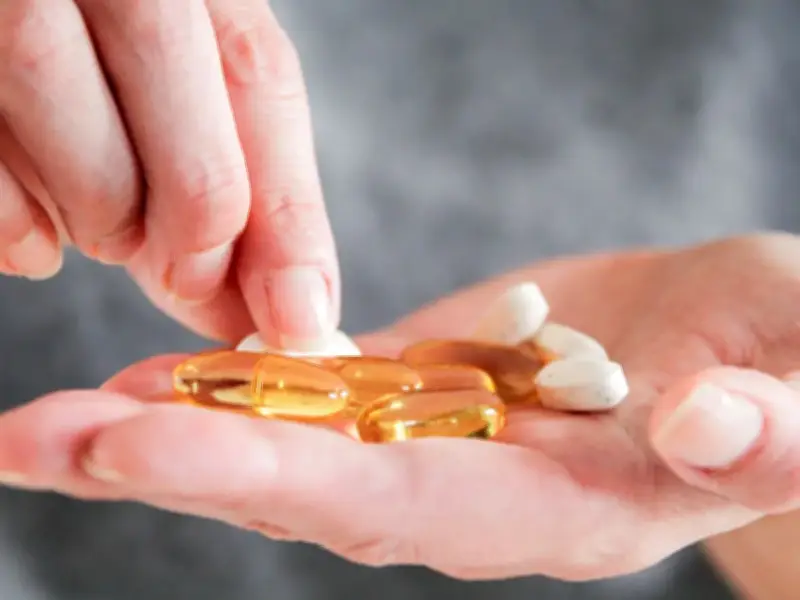
A consultant dermatologist has said there is currently no good evidence that oral collagen supplements can reverse or slow the ageing process of the skin. Dr Anjali Mahto, a medical and cosmetic consultant dermatologist based on Harley Street and author of The Skincare Bible, made the comments on a recent episode of Which?'s Healthy Living Podcast.
Dr Mahto was joined on the episode by Shefalee Loth, a nutritionist at Which? who leads research for the health and wellbeing team. Loth has over 20 years of experience, including work with the NHS, The London School of Hygiene and Tropical Medicine, and the World Cancer Research Fund.
Popularity and market growth
Collagen supplements have grown into a booming global and UK market, driven by social media, wellness culture, and anti-ageing trends. According to recent data, around 42% of UK adults take at least one dietary supplement regularly, and YouGov research finds that 10% (roughly 5.3 million people) have used collagen supplements.
The popularity of the supplements is attributed to persuasive lifestyle marketing and the "beauty-from-within" movement. Consumers are also reminded that the body's natural collagen production begins to drop starting in our twenties.
Scientific evidence and expert advice
Scientific evidence on the benefits of collagen supplements remains mixed. While clinical reviews suggest eight to 12 weeks of daily hydrolysed collagen peptides can help support skin elasticity, hydration, and joint mobility, evidence for reducing deep wrinkles, thickening hair, or growing nails remains weak.
Dr Mahto said: "Now, what I'm going to say is currently where the data stands, there is no good evidence that taking an oral collagen supplement for your skin is going to reverse the ageing process or slow down the ageing process or thicken up the collagen in the skin." She advises a healthy, protein-rich diet as a better approach.
She explained several reasons for her stance, including that most existing studies on the topic are industry-funded, and that the body does not automatically know to send ingested collagen to the skin, as there are over 30 different types of collagen throughout the body. She also noted that people who purchase expensive supplements are often already following a healthy lifestyle, making it difficult to isolate the supplements' effects.
Experts also suggest that if a person is protein deficient, collagen supplements might serve as a basic protein source, which could be the only real benefit. They recommend speaking to a doctor before taking any over-the-counter medications or supplements, especially if taking prescribed medication.
Other skincare recommendations
The experts also recommend a solid routine of cleansing, sunscreen in the morning, and vitamin A at night, noting that expensive products do not guarantee better results. They say daily SPF (factor 30-50) is the most important anti-ageing product for protecting the skin barrier and preventing collagen damage.
Retinoids (vitamin A) are effective for skin cell turnover but must be introduced slowly, once or twice a week, to avoid irritation. Regulations have limited over-the-counter concentrations in the UK to 0.3%.
They also point out that hormonal shifts during menopause, such as falling estrogen, can cause dryness, sensitivity, and even adult acne, and routines may need adjusting to include more hydrating ingredients like hyaluronic acid and ceramides. Regarding LED masks, they say some modest results for wrinkle reduction have been observed in testing, but long-term clinical research is still developing.