Expert Dermatologist-Approved Treatments for Perioral Dermatitis Relief
Perioral dermatitis, often abbreviated as PD, is a persistent skin condition that can be challenging to identify and manage. Beauty editor Emma North, who has personal experience with PD, collaborated with consultant dermatologists to curate a list of effective treatments. This guide provides insights into recognizing PD and selecting products that calm the skin without triggering flare-ups.
Understanding Perioral Dermatitis
According to Dr Aiza Jamil, a consultant dermatologist, perioral dermatitis is characterised by small, uniform red bumps and pustules typically centered around the mouth, nose, or eyes. It is often mistaken for acne, which tends to be more scattered and varied in size. Dr Sharon Wong, another consultant dermatologist, emphasises the importance of simplifying skincare routines by avoiding topical steroids, heavy creams, and irritants like vitamin C, acids, and retinols. Instead, she recommends sticking to gentle cleansers, moisturisers, and SPF.
Top Product Recommendations for Perioral Dermatitis
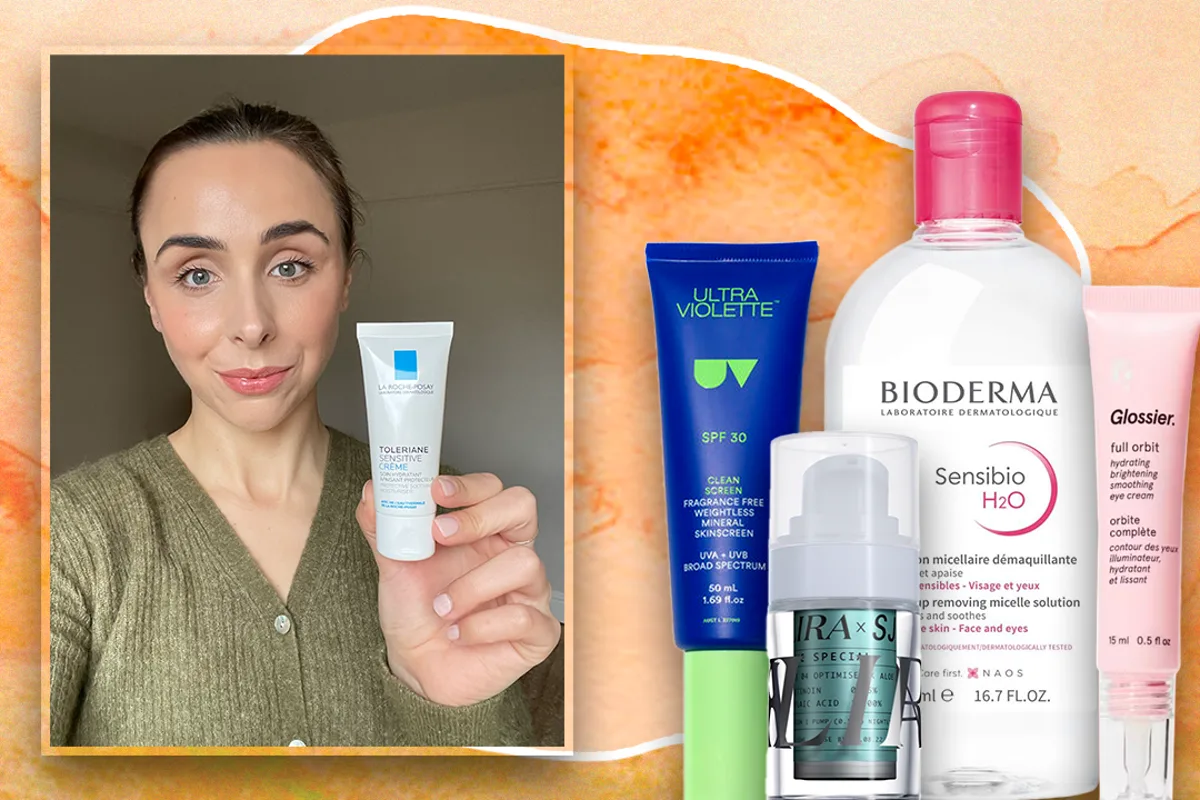
Emma North tested numerous products during flare-ups to identify those that are safe and soothing for sensitive skin. Here are her top picks, all dermatologist-approved and free from fragrances and harsh actives.
Best Overall Treatment: Avène Cicalfate+ Restorative Protective Cream
Dr Jamil highlights the importance of barrier recovery with lightweight moisturisers. Avène's cream, formulated with copper, zinc, and thermal spring water, soothes redness and strengthens the skin barrier. It is fragrance-free and ideal for reactive skin, though it may leave a slight white cast on deeper tones if not fully rubbed in.
Best Budget Buy: CeraVe Advanced Repair Ointment
This balm, containing ceramides, petrolatum, and hyaluronic acid, is a fragrance-free option for dry lips, which can exacerbate PD around the mouth. It provides intense hydration and creates a protective barrier, but it is greasy and should not be applied directly to active PD areas.
Best Cleanser: Cetaphil Gentle Skin Cleanser
Dr Wong recommends this soap-free cleanser for its minimal ingredients and suitability for sensitive skin. With glycerin, niacinamide, and panthenol, it removes impurities without causing dryness or irritation, though some may dislike its non-foaming formula.
Best Serum: Skin1004 Madagascar Centella Ampoule
This serum, featuring centella asiatica extract and glycerin, delivers lightweight hydration and calms reactive skin. It is fragrance-free and layers well under other products, but may not provide enough moisture on its own for very dry skin.
Best Make-Up Remover: Curél Make-Up Cleansing Oil
Designed for sensitive skin, this oil cleanser effectively removes waterproof make-up and SPF without alcohol or fragrance. It is pH-balanced and leaves skin comfortable, though it can leave a slight film if not rinsed thoroughly.
Best SPF: La Roche-Posay Anthelios UVAir SPF50+
UV exposure can worsen PD, making daily SPF essential. This lotion, with hyaluronic acid, vitamin E, and niacinamide, offers high protection and absorbs quickly without a white cast. However, those with oily skin might find it greasy, and individuals sensitive to chemical sunscreens should opt for mineral alternatives.
Best Mineral SPF: Ultra Violette Future Fluid Superlight Mineral Skinscreen SPF50+
Mineral sunscreens are often better tolerated by sensitive skin. This product contains zinc, squalane, and vitamin E, providing protection without a white cast. It is lightweight and non-comedogenic, though it can feel slightly sticky upon application.
Best Face Mist: Bioderma Sensibio AR+ SOS Spray
This mist hydrates and soothes flaky skin with glycerin, offering a fine spritz that doesn't aggravate PD. It contains citric acid, which may irritate severe cases, but is generally safe for most users.
Testing Methodology and Expert Insights
Emma North tested each product during flare-ups, assessing texture, ingredients, results, and value for money. She avoided actives and irritants, focusing on formulas that calmed her skin. Dr Jamil notes that PD triggers include disrupted skin barriers, overuse of skincare products, and heavy sunscreens. Treatment involves simplifying routines and, if necessary, using prescription topicals or oral antibiotics like doxycycline.
Emma North's expertise, backed by dermatologist consultations, ensures reliable recommendations for managing perioral dermatitis and preventing future outbreaks.






