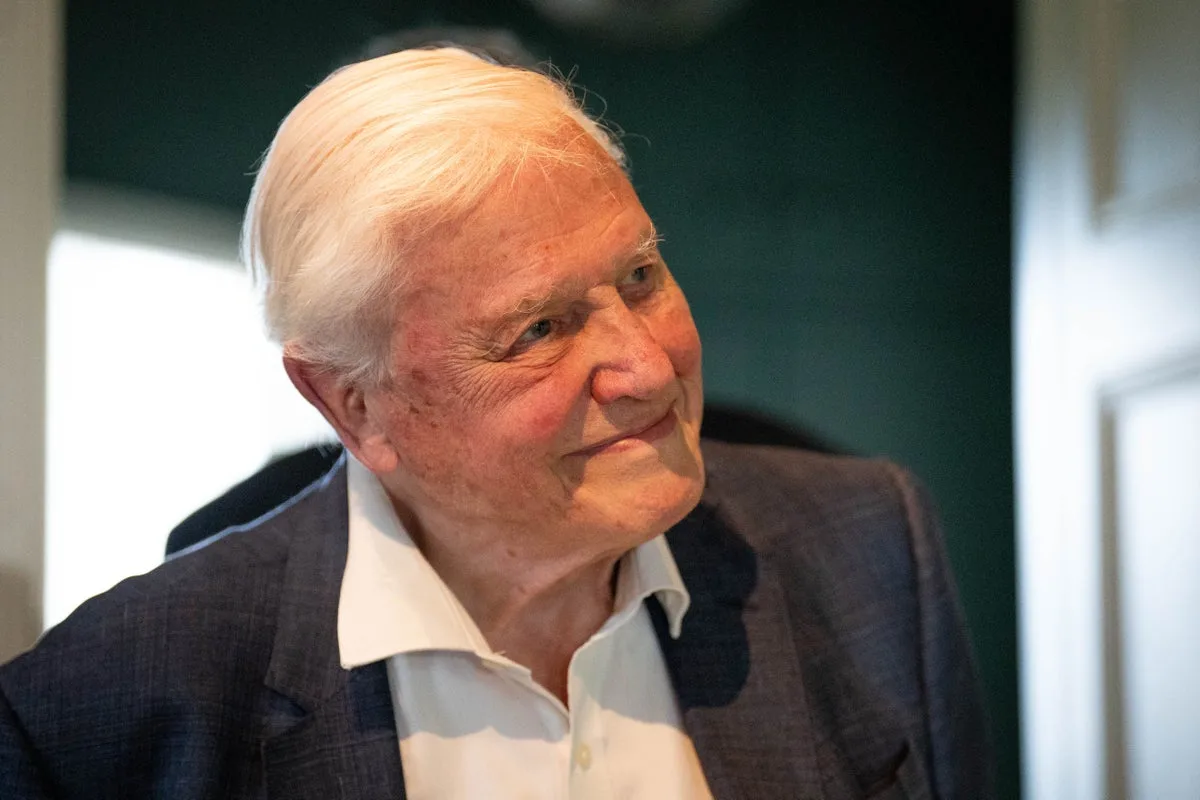
Sir David Attenborough, the beloved natural historian and environmental advocate, will celebrate his 100th birthday on 8 May. The milestone highlights a seven-decade career that has shaped our understanding of the natural world. The BBC will mark the occasion with a week of special programming, including a new documentary, Making Life on Earth: Attenborough’s Greatest Adventure.
While human life expectancy has risen over the past two centuries, reaching 100 remains rare. Dr Mohammed Enayat, a GP and founder of London-based longevity clinic HUM2N, defines longevity as 'an approach that seeks to have your health working for you for as long as possible'. He emphasises interventions to prevent age-related decline, including supplementation, nutrition, lifestyle changes and smart therapies.
Dr Enayat highlights movement as a key pillar: 'Try and break a sweat a couple of times a week' to maintain metabolic health and muscle mass. He recommends focusing on posterior chain muscles like glutes and hamstrings through exercises such as planks, squats and ball sits.
Chronic stress drives inflammation and can dysregulate blood sugar, leading to insulin resistance and hormone imbalances. Dr Enayat advises developing self-awareness and tools like breath work, meditation or gratitude to restore nervous system balance.
Sleep is crucial for immune function and regeneration. Dr Enayat suggests avoiding blue light, late meals and alcohol, and using blackout blinds and cooler temperatures to promote deep sleep.
Diet is another cornerstone: 'With bad diet comes inflammation, hormonal imbalance and metabolic dysfunction,' Dr Enayat says, warning that these factors contribute to chronic diseases such as diabetes and cardiovascular conditions.