
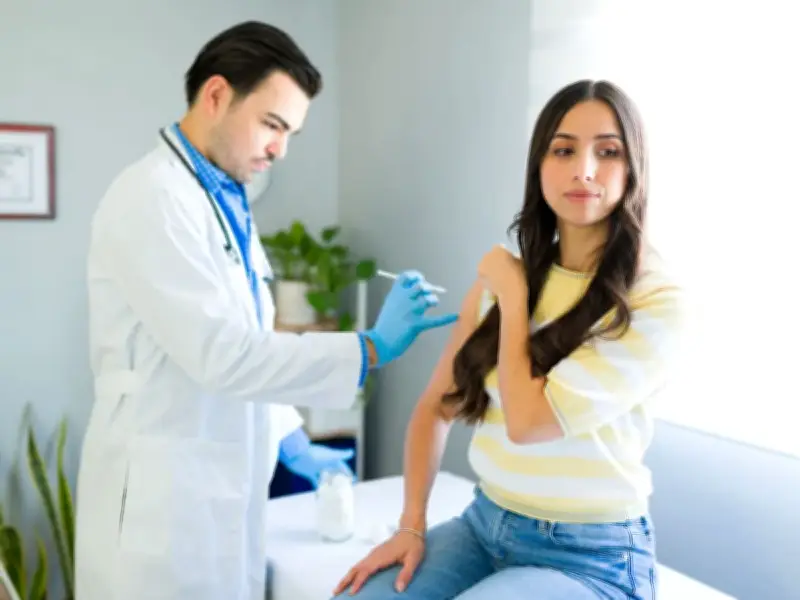
Three groups should not have the 2026 flu jab in some circumstances, according to the NHS, as the general rollout begins on October 1. Most people who are eligible for the flu vaccine can have it, but the health service warns that some people should not receive the vaccination because it could pose a risk.
Who is being vaccinated first
Children and pregnant women have already been able to have their vaccination in the first phase of the annual protection programme. NHS teams have been taking the vaccines out into local communities, delivering them in high street pharmacies and mobile vans, working to administer them to as many people as possible before the flu season fully hits.
The NHS has warned that flu can be much more than a bad cold, with thousands of children alone needing hospital care because of the virus. Pregnant women are also at greater risk of becoming seriously ill, which meant they were also included in the first phase.
From this week the bigger rollout will begin, and parents of two- and three-year-olds will also be able to book an appointment at participating community pharmacies. From October 1, other eligible people will be able to book their vaccinations, including people aged 65 and over, adults with some long-term conditions, care home residents, carers, close contacts of people who are immunocompromised, people experiencing homelessness and frontline health and social care workers.
Three reasons not to have the vaccine
The NHS says most people who are eligible for the flu vaccine can have it, but then warns: "You only cannot have the vaccine if you've had a serious allergic reaction (anaphylaxis) to a previous dose of the vaccine or an ingredient in the vaccine."
It then listed the second reason not to have the vaccination, saying: "Some of the flu vaccines used in the UK contain egg protein. Tell the person vaccinating you if you have an egg allergy."
And it said there was another group of people who should wait ahead of having the jab - some of those who are unwell. It advises: "If you have a high temperature, wait until you're feeling better before having your flu vaccine."
Who can have the flu jab and how to get it
The flu vaccine is recommended for people at higher risk of getting seriously ill from flu, says the NHS. It is offered on the NHS every year in autumn or winter. You can get the free NHS flu vaccine if you are aged 65 or over (including those who will be 65 by 31 March 2027), are aged 18 to 64 and have certain long-term health conditions, are pregnant, live in a care home, are the main carer for an older or disabled person or receive a carer's allowance, live with someone who has a weakened immune system, or are experiencing homelessness or staying in a homeless hostel or night shelter. Frontline health and social care workers can also get a flu vaccine through their employer.
Most eligible people can get the flu vaccine from October 1, 2026. Some people, including anyone who is pregnant, can get vaccinated from September 1, 2026. You may be able to get a flu vaccine from your GP surgery, a pharmacy that offers NHS flu vaccination (if you're aged 18 or over), your maternity service (if you're pregnant), your care home (if you live in a care home), or your employer (if you're a health or social care worker). If you're aged 18 or over, you can book a flu vaccination appointment online or in the NHS App now. Vaccination appointments will take place from October 1, 2026, or from September 1, 2026 if you're pregnant.




