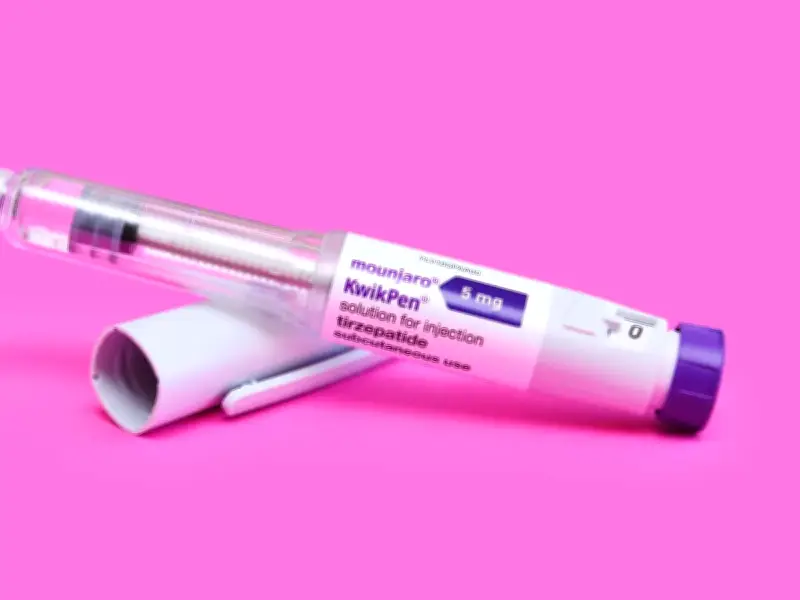
Nearly one in six children taking GLP-1 medications such as Wegovy, Mounjaro, Saxenda, or Ozempic for weight loss, prediabetes, or type 2 diabetes developed a diagnosed nutritional deficiency within a year of starting treatment, according to a new study reported by Science Daily.
The research, published in the journal Childhood Obesity, found that 16.8% of young patients were diagnosed with a nutritional deficiency during the first year after beginning treatment. Vitamin D deficiency was the most common, affecting 12% of patients.
Risks during growth and development
Senior author Justin Ryder, PhD, Vice Chair of Research for the Department of Surgery at Ann & Robert H Lurie Children’s Hospital of Chicago and Associate Professor of Surgery and Paediatrics at Northwestern University Feinberg School of Medicine, said: “As appropriate paediatric use of GLP-1s becomes more widespread, we need to understand the risks during periods of rapid growth and pubertal development.
“Nutrients such as vitamin D, iron and calcium are of particular concern during adolescence, when deficiencies may have lasting implications for skeletal health and overall development.”
The researchers noted that adolescence is a period when the body requires substantial nutritional support for bone growth, physical development, and other major biological changes. “Because GLP-1 medications can affect appetite and food intake, researchers say attention to nutrition may be especially important for younger patients receiving these drugs.”
Low rates of nutritional counselling
Prof Ryder said: “Nutritional support needs to play a critical role once treatment with a GLP-1 medication is initiated. In our study, however, we found that only 5% of patients received nutritional counselling within 30 days of GLP-1 treatment and less than 25% received nutritional counselling within 6 months.”
To investigate the issue, Dr Ryder and his colleagues analysed national administrative claims data collected from 2017 through 2022. The broader database covered more than 100 million patients.
Among these children, liraglutide (Victoza and Saxenda) was by far the most commonly prescribed GLP-1 medication, accounting for 78.6% of prescriptions. Dulaglutide (Trulicity) accounted for 10.4%, while semaglutide (Ozempic and Wegovy) accounted for 9.1%.
Proactive nutritional management urged
The findings suggest that nutritional care may need to begin alongside GLP-1 treatment rather than only after a deficiency has already been detected.
“We hope that our study findings bring much-needed recognition to the importance of proactive nutritional management when GLP-1s are prescribed to children, as opposed to waiting until a nutritional deficiency is diagnosed,” said Dr Ryder. “Knowing the risks, we are in a much better position to prevent harm to children treated with GLP-1s during a pivotal period in their lives.”