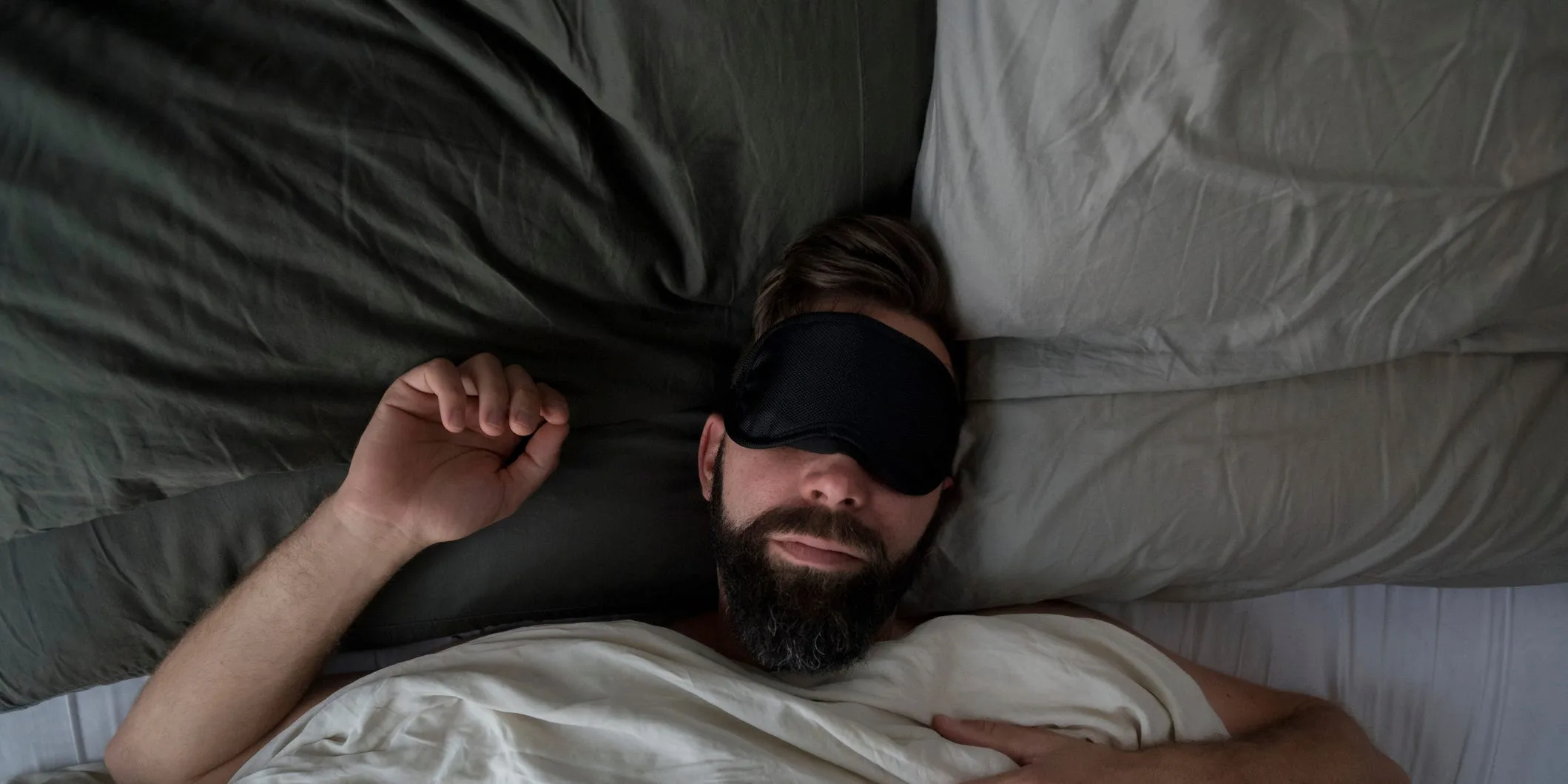
Dark Showering Trend Gains Traction as Sleep Aid, Backed by Science
Dark Showering Trend Gains Traction as Sleep Aid

Dark Showering Emerges as a Viral Sleep Solution

If you frequently struggle to fall asleep at night, adopting the simple practice of taking a shower in complete darkness could unlock the secret to achieving a full, restorative night's rest. While sleep experts have consistently recommended avoiding electronic screens before bedtime, a new viral social media trend has now garnered scientific backing for its potential to significantly enhance sleep quality. This trend, known as 'dark showering,' involves the straightforward act of switching off all bathroom lights before stepping into the shower.

The Science Behind Light and Sleep Disruption

Extensive sleep research clearly demonstrates that exposure to bright light during the evening hours can send misleading signals to the brain's internal circadian clock, tricking it into believing it is still daytime. This interference delays the natural release of melatonin, a crucial hormone often described as the body's 'darkness signal' that regulates sleep-wake cycles. In essence, artificial light acts like a 'cup of coffee' for the brain, which is precisely why specialists advise dimming lights in the evening to maintain proper alignment of the body's internal clock.

Bathrooms are typically among the brightest rooms in any home, intentionally designed with intense lighting to facilitate daily grooming tasks such as shaving or applying makeup. In many contemporary apartments, bathrooms often lack windows, necessitating powerful artificial lighting to create an open and inviting atmosphere rather than a confined, dark space. However, during evening hours, these very lights can emit a strong signal that disrupts the body's preparation for sleep.

Wide Pickt banner — collaborative shopping lists app for Telegram, phone mockup with grocery list

Research Supporting Evening Darkness

Scientific studies provide compelling evidence for the impact of evening light exposure. One investigation exposed volunteers to standard bathroom lighting for merely thirty minutes at bedtime. The results showed a noticeable drop in melatonin levels and a self-reported increase in alertness among participants, even though they remained stationary in the bathroom. Another study focusing on adolescents found that a brief burst of bright light in the early evening reduced melatonin concentrations three hours later and postponed the typical rise in sleepiness.

Many individuals prefer to shower or bathe in the evening as it promotes relaxation. Scientific evidence corroborates that those who shower at night tend to fall asleep faster compared to morning bathers. A 2019 study revealed that a warm bath or shower taken one to two hours before bedtime can aid in unwinding and accelerating sleep onset by helping to lower core body temperature. The warm water dilates blood vessels in the extremities, facilitating a subsequent drop in core temperature, which is a key physiological signal for drowsiness.

How Dark Showering Prepares the Nervous System

Showering in darkness may further assist in preparing the nervous system for sleep. Low light conditions reduce the brain's alerting signals, making it easier to transition from a state of heightened vigilance, commonly known as the 'fight or flight' response, into a calmer 'rest and digest' state. Although no large-scale clinical trials have directly compared dark showers with illuminated showers while measuring objective sleep outcomes, the trend has proven effective for numerous adherents.

Dr Clare Rooms, clinical lead for Insomnia at Boots Online Doctor, has commented that while showers in low light may not resolve severe or persistent sleep issues independently, they 'can be a helpful part of a relaxing pre-bed routine.' The 'dark showering' trend also aligns with a broader Generation Z preference for ambient, cosy lighting over harsh overhead illumination. It complements the popular 'everything shower' trend, transforming a mundane daily routine into a cherished self-care ritual.

Pickt after-article banner — collaborative shopping lists app with family illustration

Considerations and Cautions

It is important to note that individuals with mobility issues should exercise caution when attempting this trend, as reduced visibility can create potential trip hazards. Poor sleep has been linked to multiple serious health problems, including cancer, stroke, and infertility, underscoring the importance of effective sleep hygiene practices. The 'dark showering' practice has been popular among wellness experts for years, who advocate it as a method to 'cleanse the energetic residue of the day and prepare for night, rest or intimacy.'

In recent months, the trend has gained substantial traction online, with social media users enthusiastically sharing its benefits. One recent video caption encapsulates the sentiment: 'Here is your sign to take a dark shower after a long day behind blue lights to regulate your nervous system and sleep like a baby.' As sleep science continues to evolve, this simple, accessible technique offers a promising addition to nighttime routines for those seeking improved sleep quality and overall well-being.




