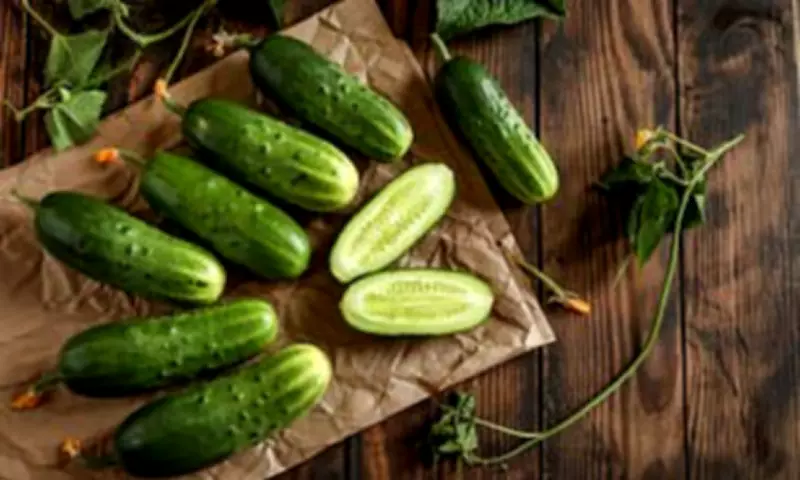
Cucumbers are an astonishing 95 percent water, making them one of the most hydrating foods available. Millions of these salad vegetables—technically fruits because they develop from flowers and contain seeds—are consumed annually by Britons. They are added to salads, chopped into crudités for hummus, submerged in water, or blended into refreshing juices. Of course, countless cucumbers are sliced into sandwiches, including those of the late Queen Elizabeth, who insisted on enhancing them with fresh mint and a thin layer of yogurt—a Windsor-style tzatziki.
Nutritional Profile
Due to their high water content, cucumbers are very low in calories—around 15 calories per 100g. They contain almost no fat, minimal carbohydrates, and sugar. Cucumbers are rich in Vitamin C, essential for a healthy immune system, and Vitamin K, which lowers cholesterol by decalcifying arteries and strengthening bones. They also provide potassium, which regulates blood pressure, supports muscle and nerve function, and balances salt levels. Additionally, cucumbers are a good source of antioxidants such as flavonoids, lignans, and triterpenes, which combat harmful free radicals linked to inflammation, aging, and diseases like cancer. Fibre content is modest (0.5 to 1g per 100g), primarily in the skin.
Digestion and Bloating
Many believe cucumbers reduce bloating, but nutritionist Jenna Hope explains this may be because they are low in FODMAPs—carbohydrates that can trigger IBS symptoms. The high water content may also aid digestion without causing discomfort.

Blood Pressure Benefits
A 2018 Indian study involving 60 adults with high blood pressure found that eating 100g of cucumber daily for two weeks led to a 6.9% reduction in systolic and 9.8% reduction in diastolic blood pressure, compared to minimal changes in the control group. Potassium and hydration play key roles in this effect.
Precautions
Excessive Vitamin K can affect blood clotting, so those on warfarin should not suddenly increase cucumber intake. A standard 80g serving is considered safe. Too much potassium may cause hyperkalemia, but experts note it is very hard to overdose on cucumber—requiring about 6 kg to reach dangerous levels.
Pairing for Maximum Nutrition
Pair cucumbers with healthy fats like olive oil, avocado, or nuts to improve absorption of Vitamin K. Creative recipes include TikTok-inspired salads with wasabi, soy sauce, or cream cheese, and fermented cucumbers for gut health. Pickled versions often lack live cultures, but traditionally fermented gherkins offer probiotics.