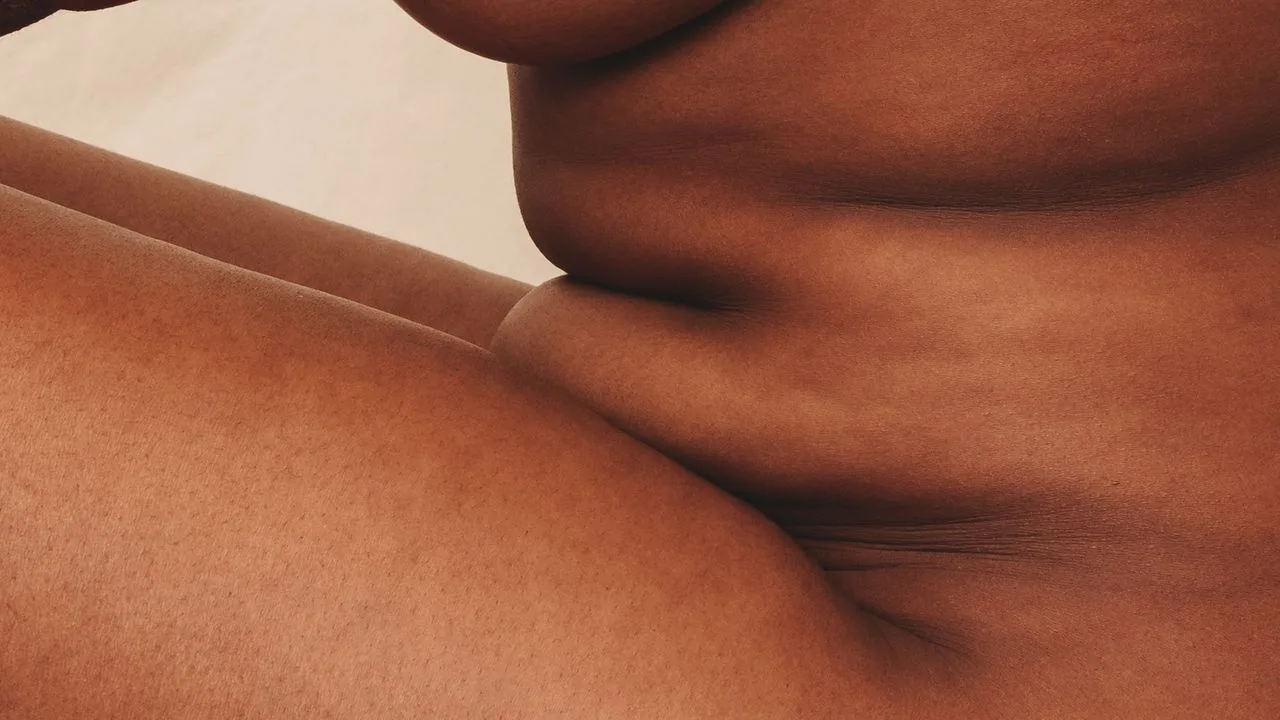
Alex Light on Resisting Diet Culture and Embracing Body Acceptance
Alex Light: Resisting Diet Culture and Body Acceptance

The pressure on women to alter their bodies has always existed, but with the widespread availability of GLP-1 weight-loss drugs, resisting that pressure has become more challenging than ever. It is no longer just celebrities on the red carpet who are getting thinner; everyday people around us are slimming down, creating a new standard that pressures those who are not naturally a size 8-10 to lose weight.

For me, resisting this means grappling with the feeling of being the largest among my friends and family, and the nagging thought that perhaps I should change my body too. I feel like the last one standing who does not meet the beauty standard of thinness, who does not fit in, and who is not part of the pack. It is frightening to be the odd one out. But after a lifetime of eating disorders, I must ask myself: do I want to change my body and risk all the progress I have made, or do I want to feel uncomfortable but choose the healthiest path for me?

From a very young age, as soon as I became aware of my body, I understood that not being thin was considered a bad thing. I could sense this from my peers and the people around me, and how they perceived my body. So, as soon as I could, around age 11, I started dieting. That led to decades of disordered eating: every diet imaginable, which then turned into binge-eating and eventually diagnoses of anorexia and bulimia. My teens, twenties, and early thirties were completely dominated by my desire to be thin and to stay that way. But I was trying to achieve something my body was not naturally meant to be. Thin is not my natural body shape, so it required extraordinary effort and impacted every aspect of my life, including relationships and work.

Wide Pickt banner — collaborative shopping lists app for Telegram, phone mockup with grocery list

As a journalist for Hello! magazine, I frequently wrote about diets and ways to stay thin. Being immersed in a world where beauty standards are amplified intensified my disordered eating. Losing weight felt like a high like no other. The euphoria of stepping on the scales and thinking, 'Wow, look what I have achieved,' was intoxicating. But it was a short-lived high that did not lead to true contentment or happiness. The horrible thing was, many people told me how amazing I looked when I was at my thinnest and most unhappy. This shows how warped our society is in measuring worth and value. As I got thinner, I received increasing praise. People were in awe of my weight loss and would call me their 'thinspiration,' asking for advice. The reality was that I was doing juice diets, going a week or two without eating, and sometimes surviving on boiled sweets for days. Yet everyone complimented my appearance, which was intoxicating because it was what I had been striving for, but also scary because I knew I could not sustain it.

The panic between euphoric moments was overwhelming. I had spent my whole life believing that reaching a certain weight would bring happiness, but as I approached that weight, I realized it did not. So I kept moving the goalposts, thinking maybe the next weight would do the trick. It took a long time for the penny to drop. Therapy helped me understand that it was not a 'me' problem or about reaching a goal weight. There was no weight that would change how I felt. The problem was not my body; it was my mind and how I perceived my body.

It was powerful to realize that people have more going on in their lives than you, and that it is none of their business. My friends do not care if I am a size 10 or 14; they care about me, not my jeans size. When I started treatment, I learned about diet culture and the pressure on women to be thin, which translates for many into feeling 'wrong' if they are not a certain size. When I began talking online about this, things snowballed because so many women felt the same way but there was a stigma around eating disorders and admitting we do not feel good enough. As I recovered, I started nurturing relationships that I had neglected while focused on thinness. I focused on connections with friends and family, nourished myself better, and became mentally stronger. My body changed drastically; I gained a huge amount of weight, which was traumatic, but the more it happened, the more I realized people did not care as much as I thought. That was liberating.

Pickt after-article banner — collaborative shopping lists app with family illustration

As my body approached its natural state, my happiness levels improved significantly. Having my son two years ago cemented the idea that the most interesting thing about life is not my appearance, but the connections I have. I am pregnant again, due in July, and I am much happier now – a different person. True contentment has nothing to do with how I look. However, recovery is complicated and not straightforward. Pregnancy can be a dreadful time for those with eating issues because we are told that getting bigger is bad. The current trend of people shrinking is also triggering. I do not think I will try to shrink my body again, but most of us would be lying if we said it is not difficult to navigate this era.

We live in a warped world where we are pressured to look the same and meet an unattainable beauty standard, when in reality we are all meant to look different. Different body types are healthy for different people, and striving for one look can be damaging to mental and physical health. If you feel the pressure to be thin, remember that everything is a trend, including ultra-thinness. We do not know the future of GLP-1s, but beauty standards swing like a pendulum. The heroin chic of the 1990s was replaced by Kim Kardashian's voluptuousness, then body positivity, and now we are back here. There is no permanent way to have a perfect body; the goalposts always move. Realizing this helps us opt out of the whole game. There is no weight that will make us acceptable. The only thing we can do is focus on what we are truly supposed to look like, find what is healthy for us, and keep our minds and bodies nourished, living a life without constantly trying to shrink ourselves.

As told to Victoria Young. 'The Price of Pretty' by Alex Light is out now.