
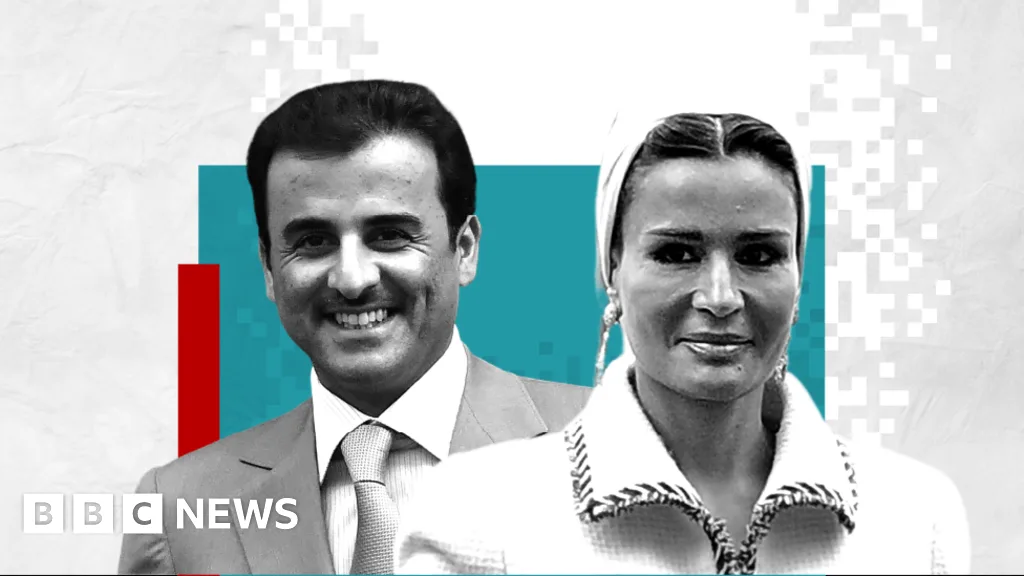
Leaked documents from the Pandora Papers have revealed that the Qatar ruling family avoided an estimated £18.5 million in stamp duty on the purchase of two London properties, which they later sought to combine into a 17-bedroom 'super-mansion'. The properties, at 1 and 2-3 Cornwall Terrace in Regent's Park, were bought for over £120 million via offshore companies.
The purchases were made through shell companies based in tax havens, allowing the family to bypass Stamp Duty Land Tax. The leaseholds were acquired by buying shares in companies that already owned them, rather than through a direct property sale. This meant neither HM Revenue & Customs nor the Crown Estate, which owns the freehold, received notification or revenue from the transactions.
The documents show that the shell companies are owned by Tharb, a company set up in Qatar and ultimately owned by the private office of the Emir, Tamim Al Thani. The family had previously attempted to merge the two properties into a single mansion, but their initial application was rejected by Westminster Council. A second application in 2020 appears to have been approved.
The Crown Estate, which manages the Queen's property portfolio, said it was looking into the matter 'given the issues raised'. The Qatari government did not respond to questions about the findings. There is no suggestion of illegal activity, but tax experts note that using offshore structures to avoid stamp duty is a contentious practice that goes against the 'spirit of the law', according to HMRC.
The Pandora Papers also reveal that the Qatar royal family owns numerous other UK properties through offshore companies, with an estimated value of over £650 million. The UK government has pledged to introduce legislation to increase transparency in property ownership, but critics argue that current loopholes allow wealthy foreign buyers to avoid taxes.




