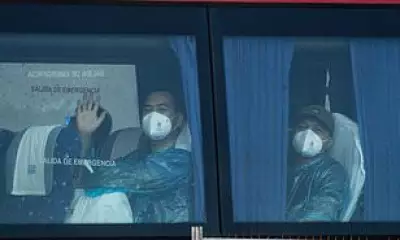
An outbreak of the rare Bundibugyo virus, a type of Ebola virus, has caused nearly 120 deaths in Congo. Unlike more common Ebola strains, there are currently no specific treatments or vaccines available for Bundibugyo virus, complicating the response.
What Is the Bundibugyo Virus?
Bundibugyo virus spreads through close contact with bodily fluids of sick or deceased patients, posing the highest risk to healthcare workers and family members. While potentially less lethal than the Zaire virus, Bundibugyo still has a mortality rate exceeding 30%, making it extremely dangerous.
Containment Efforts
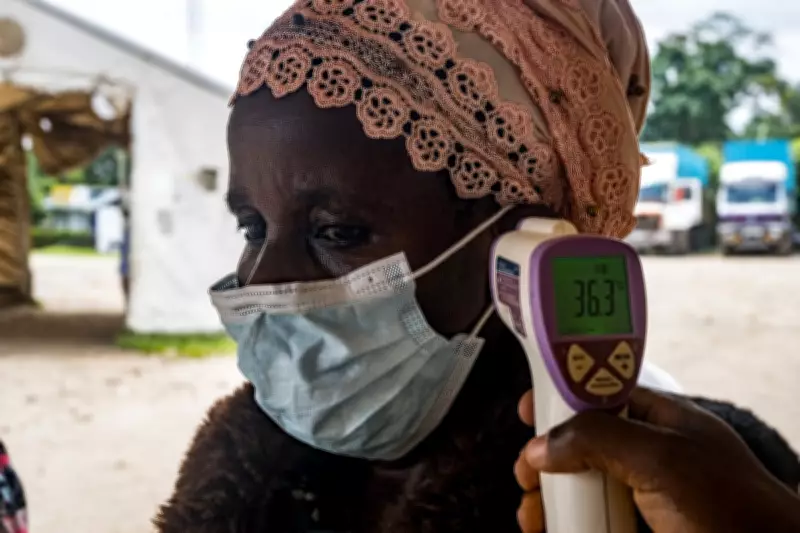
Containment efforts rely on basic public health measures, including early identification, isolation of cases, contact tracing, supportive medical care, public education, and ensuring safe burial practices. The Ugandan government has set up border controls amid the outbreak in the Democratic Republic of Congo.

- No specific treatments or vaccines are currently available for Bundibugyo virus.
- High risk to healthcare workers and family members due to transmission through bodily fluids.
- Mortality rate exceeds 30%, making it extremely dangerous.
Authorities are working to contain the spread, but the lack of medical countermeasures poses significant challenges. Public health officials emphasize the importance of community engagement and safe burial practices to reduce transmission.