
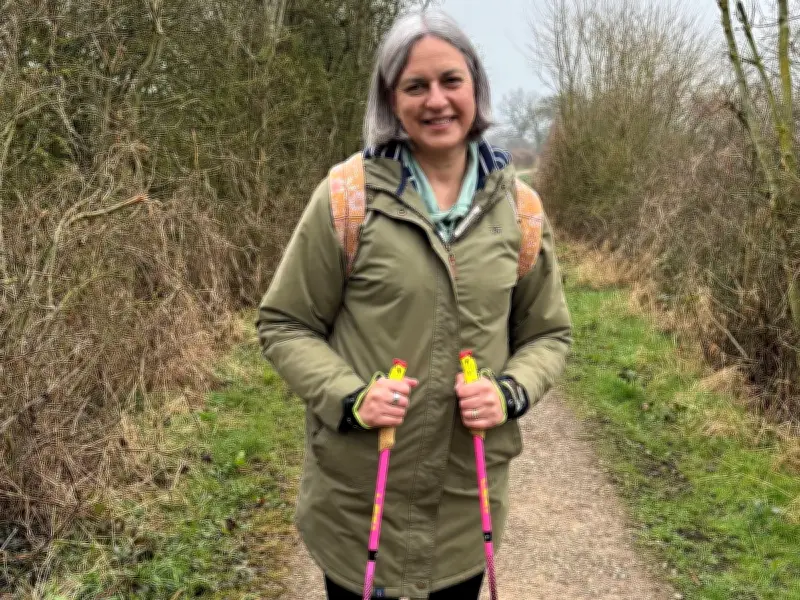
Jane Hull, a 56-year-old clarinettist from Loughborough, experienced progressive hearing loss and persistent tinnitus in her left ear for 18 months, along with balance issues, brain fog, and facial numbness. Initially attributed to aging and menopause, a scan at Spire Nottingham Hospital in September 2024 revealed a 3cm slow-growing acoustic neuroma—a benign tumour on the nerve responsible for hearing and balance.
Diagnosis and Surgery
Following the diagnosis, Jane was transferred to Queen's Medical Centre in Nottingham for a 13-hour operation to remove the tumour. Surgeons warned she would permanently lose all hearing in her left ear and faced a 20% risk of facial palsy. Jane described the prospect of never playing the clarinet again as 'devastating,' adding that music had been a core part of her identity since age nine.
Recovery and Challenges
Post-surgery, Jane suffered a cerebrospinal fluid leak, requiring hospitalization over Christmas. She had to relearn balance and rebuild her confidence. Despite these setbacks, she gradually resumed physical activity, starting with short walks. Supported by her husband Rob, children Becky and Matthew, and extended family, she eventually returned to work and picked up the clarinet again.
Fundraising and Advocacy
Fifteen months after surgery, Jane has completed the London Marathon and raised over £12,000 for various charities. She is now training for the Robin Hood Half Marathon in Nottingham on September 27 to support Brain Tumour Research. Ashley McWilliams, community development manager at Brain Tumour Research, praised Jane's determination, stating: 'Despite facing significant challenges following brain surgery, she refused to give up and has achieved remarkable things.'
Impact and Awareness
Jane hopes her story raises awareness of brain tumours' life-changing impact, even when low-grade. She emphasized the importance of research, saying: 'There is still so much we don't understand. That's why research is so important.' Her journey highlights the resilience of patients and the need for continued support and funding for brain tumour research.




