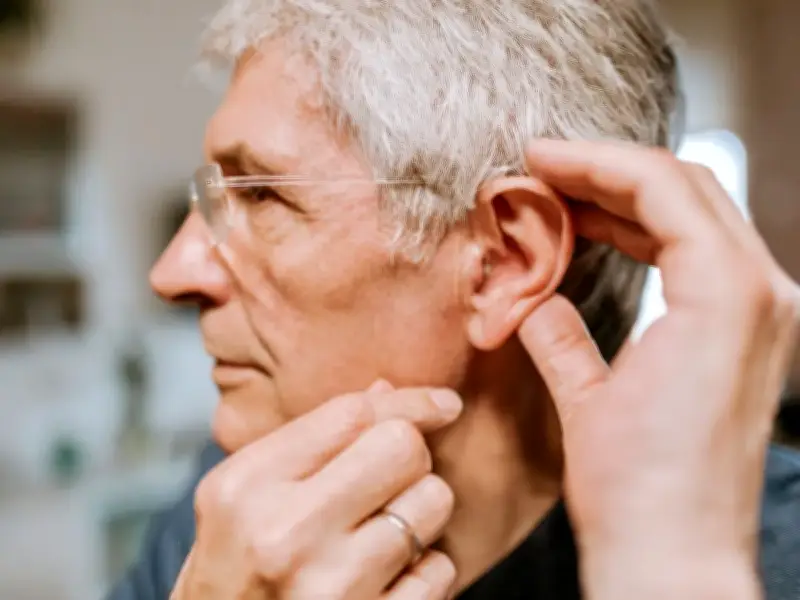
A study published in Alzheimer's & Dementia by researchers at the University of Oulu and the University of Eastern Finland has found that people who develop early-onset Alzheimer's disease — defined as a diagnosis before age 65 — may experience various health issues up to 15 years before a formal diagnosis.
Among the earliest warning signs are hearing problems, including tinnitus and nerve-related hearing loss. In the six to 10 years before an Alzheimer's diagnosis, patients are twice as likely to complain of these ear conditions before severe cognitive decline and memory loss become apparent.
Why Ear Conditions Precede Memory Loss
Experts suggest this happens either because early plaques in the brain are quietly damaging the auditory cortex, or because the brain has to work so hard to decipher sound that it "steals" processing energy away from other cognitive centers.
In a recent YouTube video titled "10 Dementia Warning Signs You're Missing," American healthcare researcher Neal K Shah explained the findings: "Six to 10 years out before the diagnosis - out of all 23 categories - one and only one warning light flashed: Oto rhino laryngological diseases. It's the medical term for ear, nose, and throat conditions. Specifically, it came down to tinitis - a persistent ringing or buzzing in the ears, a bilateral sensory neural hearing loss, meaning that nerve related hearing loss happens in both ears."
Shah noted that six to 10 years before diagnosis, future patients were more than twice as likely to have those ear conditions — 4.7% in the study versus 2.1% in controls, climbing to 5.2% versus 2.9% in the final five years.
Two Biological Explanations
Scientists identified two biological reasons for the connection. First, the brain has limited daily processing power, called cognitive reserve. When the inner ear struggles to pick up crisp sound, the brain works overtime to decode speech, which steals energy from memory and thinking centers.
Second, the traffic flows both ways. Early Alzheimer's plaques and tangles can hit the auditory cortex, the brain's sound processing system, years before they affect memory. Trouble following conversations or constant ringing in the ears may therefore be the first subtle echo of the brain's sound processing system misfiring.
Other Early Signs and When to Seek Help
According to Dr Asiya Maula, GP and director at The Health Suite: "Many people dismiss the earliest symptoms of Alzheimer's disease as simply getting older, but persistent changes in memory, thinking or behaviour should never be ignored. An early assessment can provide answers, access to support and, in some cases, opportunities to take part in clinical research."
Alzheimer's disease is the most common cause of dementia and affects around two in every three people living with dementia in the UK. As the UK population ages, the number of people living with dementia is predicted to increase to more than 1.4 million by 2040, according to Alzheimer's Research UK.
Common early symptoms include memory loss that disrupts daily activities, such as repeatedly asking the same questions, forgetting recent conversations or appointments, or relying increasingly on notes and reminders. Other signs include difficulty finding the right words, problems planning or organising tasks, confusion about time or place, poor judgement, changes in mood or behaviour, withdrawal from activities, and misplacing items.
Dr Maula added: "People sometimes wait until symptoms become severe but there is real value in getting assessed early. A diagnosis can help people understand what is happening, access practical and emotional support, plan for the future and discuss available treatments and research opportunities."
Anyone who notices ongoing changes in memory or thinking should speak to their GP. Healthcare professionals may carry out an initial assessment before referring someone for more detailed cognitive testing or brain imaging if appropriate. Early diagnosis can help families understand the condition and make decisions together while the person with dementia is still able to express their wishes.