Cancer: The Good, Bad, Ugly and Hope Amid Breakthroughs and Challenges
Cancer: Good, Bad, Ugly and Hope Amid Breakthroughs

Cancer remains one of the leading causes of death worldwide, accounting for nearly one in six deaths each year—approximately 10 million in total. This staggering figure, however, obscures significant variations in survival rates among different cancer types. For instance, melanoma and prostate cancer now boast five-year survival rates exceeding 90% in most affluent nations, thanks to advances in detection and treatment. In stark contrast, pancreatic cancer continues to pose a formidable challenge; in the UK, only about one in 20 patients survive five years post-diagnosis.

Breakthrough in Pancreatic Cancer Treatment

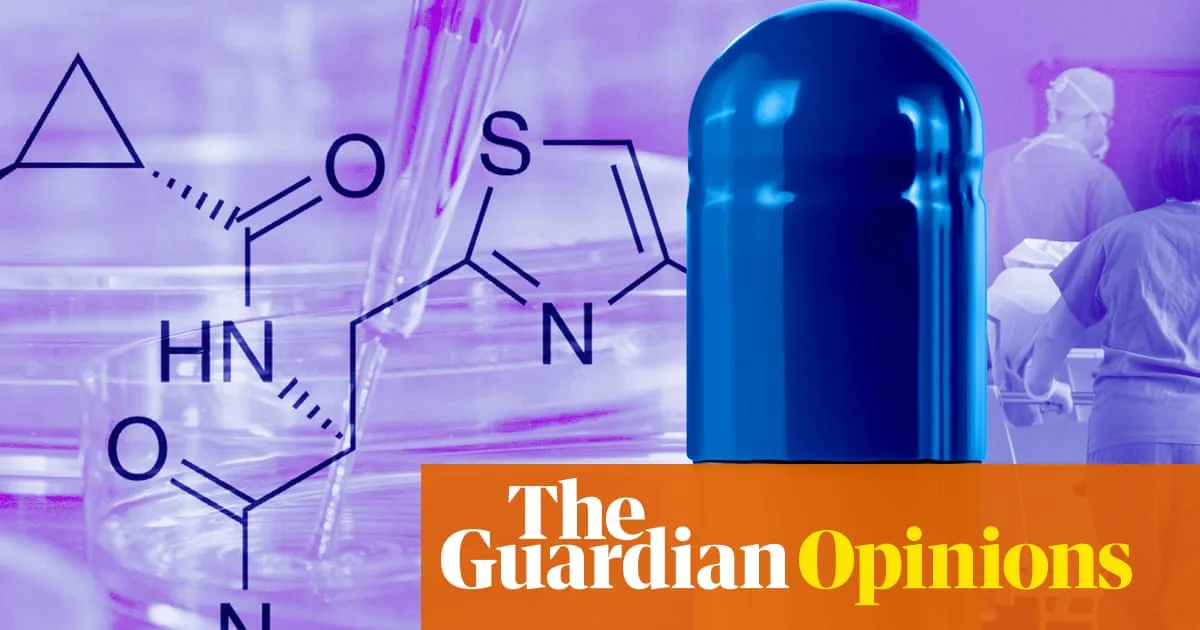
The recent announcement at the American Society of Clinical Oncology’s (ASCO) annual meeting in Chicago of a new drug, daraxonrasib, has generated considerable excitement. This once-daily pill doubled survival time in a 500-person trial, with fewer side effects compared to conventional chemotherapy. By inhibiting the Kras protein—a key driver of cancer cell growth—the drug represents a potential game-changer for a disease with limited treatment options. One veteran cancer researcher reportedly wept upon seeing the results.

Progress Across Multiple Fronts

Beyond daraxonrasib, other encouraging developments emerged from the conference. A new vaccine, amivantamab, for head and neck cancer—the sixth most common cancer—shrank tumors in over a third of patients in a 102-person trial. This therapy works by activating the immune system to attack tumors while blocking two proteins that promote tumor growth. Both therapies are now being investigated for other cancer types, highlighting the potential for cross-applicability of treatments.

Wide Pickt banner — collaborative shopping lists app for Telegram, phone mockup with grocery list

Precision medicine is also advancing. A recent international study demonstrated that a DNA test can identify which breast cancer patients are likely to benefit from specific chemotherapy drugs, sparing others from unnecessary side effects. This tailored approach marks a shift from the traditional one-size-fits-all prescribing pattern.

The Bad: Workforce Shortages and Diagnostic Delays

Despite these advances, significant challenges persist. Globally, 100,000 people are diagnosed with cancer daily, but the healthcare workforce is struggling to keep pace. Research projects a shortfall of 100 million cancer care workers by 2050, including 65 million nurses and 16 million diagnostic staff. In the UK, the NHS faces similar shortages of lab technicians, cancer specialists, and support staff.

Early diagnosis and rapid treatment are critical for survival, yet one in three cancer cases worldwide remains undiagnosed. Even in G7 countries like the UK, about 50% of cancers are detected at a late stage. Furthermore, almost every hospital trust in England failed to meet the key NHS target of treatment within 62 days, with only 69% of patients starting treatment on time. Comparable figures are 71% in Scotland, 61% in Wales, and just 33% in Northern Ireland. Delays matter: every four-week postponement reduces patient survival by approximately 10%.

The Ugly: Rising Cancer Rates in Younger Adults

An alarming trend is the increase in cancer incidence among people under 50. Between 1990 and 2019, cancer rates in industrialized countries rose by 22% in the 25–29 age group. Harvard researchers suggest that each successive generation faces a higher risk of developing cancer later in life. This means younger people are more likely to get cancer than their parents or grandparents. Potential contributing factors include dietary changes (e.g., ultraprocessed foods), rising obesity, alcohol consumption, stress, and insomnia.

Reasons for Optimism

Despite these challenges, there is cause for hope. The author reflects on her father, an oncologist who died of leukaemia and lymphoma in 2001 at age 49. In the 25 years since, survival rates for his specific cancer have improved dramatically, thanks to a shift from broad-spectrum chemotherapy to precise immunotherapy and targeted medications. Continued investment in scientific research and healthcare infrastructure promises further progress.

While a singular “cure” for cancer remains elusive, the trajectory of improvement across many cancer types is encouraging. As the author concludes, there is more good than bad in the current landscape of cancer research and treatment.

Pickt after-article banner — collaborative shopping lists app with family illustration