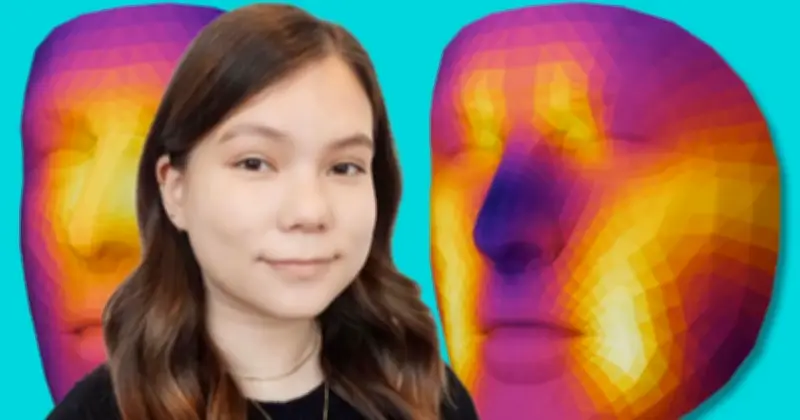
Two AI models trained on more than 40 million photographs can estimate a person's biological age from a simple selfie and predict their chance of surviving cancer, according to researchers. The first model, FAHR-FaceAge, estimates biological age with an average error margin of 5.1 years, while the second, FAHR-FaceSurvival, was trained on 34,000 photos of people with cancer to predict survival outcomes.
How the Models Work
Biological ageing refers to how old the body is in terms of health and function rather than the number of years a person has lived. The FAHR-FaceAge model focused on the forehead area just above the eyes and the temples, while FAHR-FaceSurvival evaluated the region below the eyes and around the nasal bridge.
Patients placed in the highest risk quartile by the survival model were three times more likely to die during the study period than those in the lowest quartile.
Expert Insights
Study co-author Dr Raymond Mak, a radiation oncologist at Mass General Brigham Cancer Institute in Massachusetts, USA, said: "As the population ages, physicians need better ways to estimate physical reserve and frailty before recommending intensive treatments such as radiation, surgery or systemic therapy."
He added: "Our goal is to make face photograph-based health assessment more quantitative, consistent and scalable so it can support personalised treatment decisions rather than replace physician judgment."
Lifestyle Factors and Stability
Lifestyle factors including heavy alcohol use, drug use and smoking were associated with looking biologically older. Smoking showed the strongest pattern, with current smokers looking older than former smokers and former smokers looking older than people who had never smoked.
Dr Mak said the FAHR-FaceAge estimates remained consistent despite variation in photos such as pose, lighting, facial expression and makeup. He added: "It was also stable across most tested plastic surgery procedures, with only a small shift observed after rhinoplasty."
Future Research and Enrollment
Writing in The Lancet Digital Health, the researchers said the tools could be used to "flag patients unlikely to tolerate aggressive therapy, improving resource allocation and quality of life". They added: "As facial features also reflect behaviours such as smoking and alcohol use, the same tool can track lifestyle change or anti-ageing interventions, offering immediate feedback."
Professor Hugo Aerts, director of the Artificial Intelligence in Medicine programme at Mass General Brigham, added: "To our knowledge, this is the first demonstration that an AI model can directly predict cancer survival from a simple photograph."
The team is now expanding their research through the one FaceAge Research Study, aiming to enrol 10,000 people to gather a diverse mix of age, racial, ethnic and medical backgrounds. Participants can upload a photo and find out their estimated biological age by joining the research study at faceage.bwh.harvard.edu.