
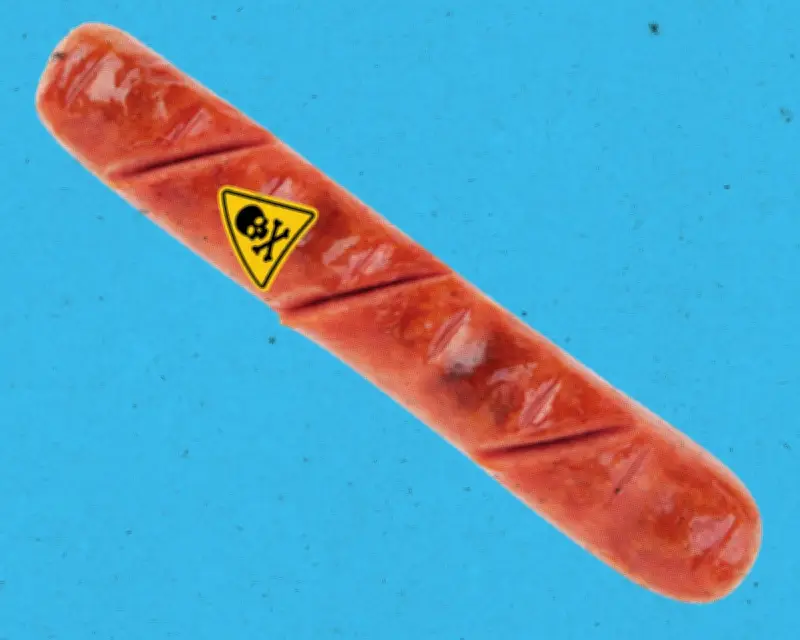
Hotdogs: A Beloved but Controversial Food
Americans consume 50 billion hotdogs every year, according to Eric Mittenthal, president of the National Hot Dog and Sausage Council. During summer alone, about 7 billion are eaten, including 150 million on the Fourth of July. Despite their popularity, nutrition experts consider hotdogs among the most highly processed and potentially harmful foods.
What Are Hotdogs Made Of?
Hotdogs are typically made from meat trimmings—leftover scraps after prime cuts are prepared—from beef and pork. They are ultra-processed and often contain fillers, animal parts, and additives. The US Department of Agriculture allows the addition of mechanically separated chicken, a paste-like product made by forcing bones with attached meat through a high-pressure sieve. Preservatives like sodium erythorbate and sodium nitrite are added to speed curing, preserve pink color, and prevent bacterial growth.
Health Risks Linked to Hotdogs
Hotdogs are high in sodium and saturated fat, contributing to heart disease, obesity, type 2 diabetes, hypertension, and dementia. The World Health Organization has classified processed meat as a human carcinogen associated with colorectal cancer. Dr. Donald Hensrud of the Mayo Clinic notes that consuming approximately 2 ounces of processed meat daily increases colorectal cancer risk by almost 20%. Nitrites in hotdogs can form carcinogenic nitrosamines when cooked at high temperatures or during digestion.
Are There Healthier Alternatives?
Nitrite-free hotdogs, poultry hotdogs, or vegetarian options may be somewhat better but are still ultra-processed. Julia Zumpano, a registered dietitian at the Cleveland Clinic, says, “A grilled chicken breast is better—way better.” Michael Jacobson, founder of the National Food Museum, adds that even poultry hotdogs often contain celery powder that converts to nitrites and nitrosamines.
Can You Eat Hotdogs Occasionally?
Experts agree that occasional consumption, such as once a year on the Fourth of July, poses less risk than frequent intake. Dr. Hensrud advises, “The more someone eats hotdogs, the greater the risk. If someone is going to eat a hotdog on July 4, enjoy it, but continue to try and eat healthy overall.” Zumpano suggests bringing a healthy dish to share as an alternative.




