As temperatures across Britain begin to climb, it is not only humans who feel the impact. Numerous dog breeds face the danger of overheating due to their physical structure, coat density, and other individual factors such as age and weight. A vet has now shared precisely which dog breeds are vulnerable to overheating this summer, along with how to identify the warning signs and essential advice for keeping dogs comfortable during scorching weather.
Expert Warning on Heat Risk
Dr Suzanne Moyes, in-house vet at Burgess Pet Care, explains: "Heat stress in dogs can occur at temperatures over 25 degrees Celsius. At 30 degrees or more, the risk of heatstroke increases significantly. If your dog shows symptoms such as faster panting, excessive drooling, darkened gums, agitation, staggering, vomiting, or diarrhoea, seek veterinary advice immediately. If you spot signs of overheating, take action to cool your pet right away and consult your vet."
Dog Breeds Most at Risk
Dr Moyes highlights that brachycephalic breeds, which have very short, flat faces, struggle to breathe and regulate body temperature in hot weather. These include pugs, boxers, Boston terriers, and bulldogs. While boxers have shorter muzzles and are less extreme than some other brachycephalic breeds, they still face challenges cooling down. Boston terriers, with their pushed-in faces, are also more vulnerable to heatstroke.
However, it is not only flat-faced breeds at risk. Dogs with thick, double coats, such as Chow Chows, Golden Retrievers, Huskies, and German Shepherds, have fur that traps heat, increasing their chance of overheating. Senior dogs and overweight dogs are also more susceptible to heatstroke due to age and weight-related health issues.
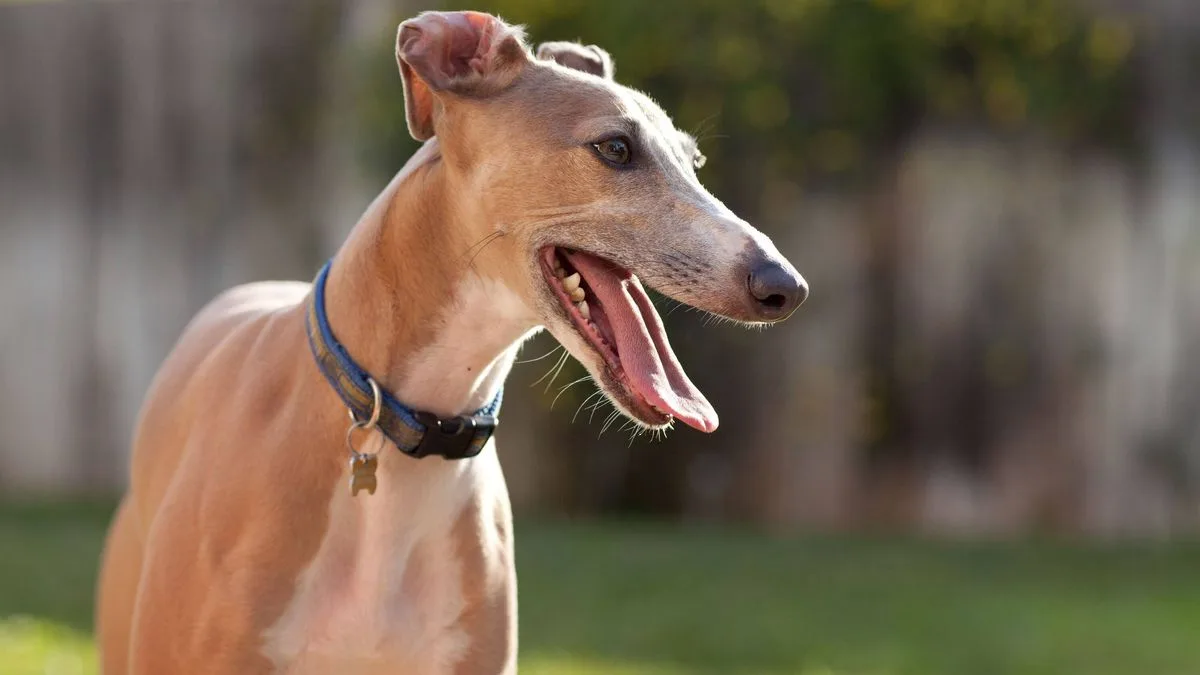
Surprisingly, Greyhounds, despite lacking a thick coat, are vulnerable because their thin coats offer little protection from the sun, causing them to overheat quickly. Dr Moyes advises: "While it is important to monitor all dogs' exposure to the sun, if you have a breed that is more at risk, avoid prolonged time in direct sun, ensure they have shady spots, and plenty of water."
List of At-Risk Dog Breeds
- Brachycephalic breeds (pugs, boxers, Boston terriers, bulldogs, etc.)
- Chow Chows
- Golden Retrievers
- Huskies
- German Shepherds
- Greyhounds
- Senior dogs
- Overweight dogs
Tips to Keep Dogs Cool
Location of Dog Beds
Dr Moyes advises never keeping dog bedding and accommodation in a conservatory, especially in warmer months, as conservatories often have poor air circulation, high temperatures, and lack cool, shady spots. For indoor pets, set them up in a room that stays cool, ideally on a lower floor to avoid rising heat. Keep curtains and blinds closed during the day to block out heat. Leave a window open for airflow or place a fan nearby, but ensure it is not pointed directly at your pet.
Add Water-Rich Snacks
The vet recommends making basic changes to your dog's routine during hot weather to help control body temperature. Avoid excessive handling during the hottest parts of the day, especially with older dogs. A simple tip: add ice cubes to water bowls or line a toy with meat or fish paste before freezing to create a cooling snack. Any dietary changes should be made gradually to avoid digestive upsets.
Use Wet Towels for Cooling
If your dog suffers from heatstroke, lower their body temperature gradually by moving them to a shaded area and placing wet towels near them. Never place ice directly on them, as this can cause shock.
Stay on Top of Grooming
Dr Moyes advises brushing long-haired breeds every day throughout the summer, as dense coats retain heat. If a prolonged heatwave sets in, consider giving them a summer trim to keep them cool.






