
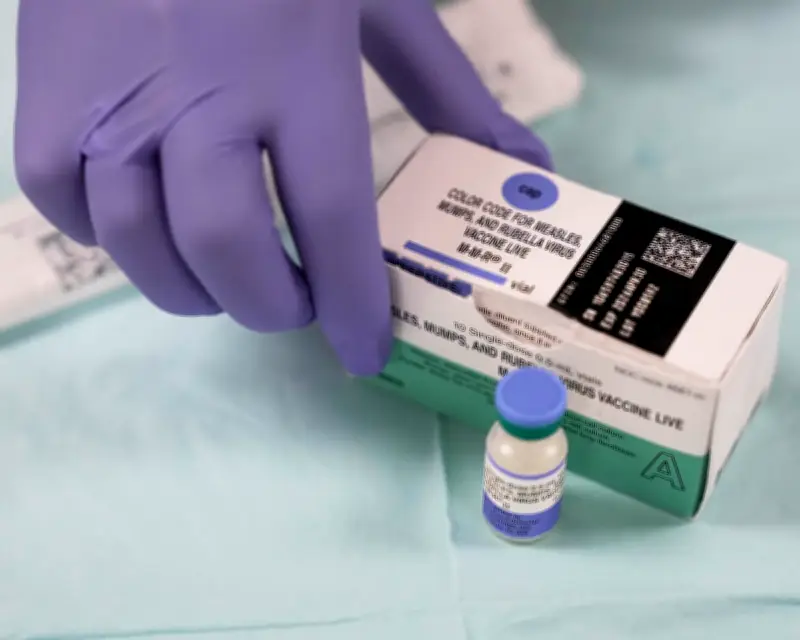
The United States has recorded more than 2,000 confirmed measles cases so far in 2025, approaching the total of 2,228 cases reported for all of 2025. This outbreak is on track to become the worst in decades, as states grapple with the loss of federal public health funding.
According to data from 4 June, there were 2,030 confirmed cases, though experts believe the true number is approximately three times higher due to underreporting. The virus continues to spread in unvaccinated and under-vaccinated communities, including among infants too young to receive the vaccine. This situation highlights the dual crises of misinformation and public health challenges in the US.
State-by-State Outbreak Dynamics
Cases in Utah appear to be declining, while outbreaks in Virginia and Pennsylvania are intensifying. Andrew Pavia, a professor at the University of Utah and infectious disease expert, predicted a busy summer ahead. He noted that Utah's outbreak was unique because it spread throughout the entire state, becoming widely distributed. However, containment efforts were hampered by low vaccination rates and limited public health resources in affected communities.
In Utah, the outbreak began in a community with weak ties to public health, complicating case tracking. It then spread to other areas, including young adults who grew up in typical middle-class settings but were susceptible due to declining immunization rates over the past 15 to 20 years. Controlling measles requires robust public health measures such as contact tracing, isolation, and quarantine, which have become politicized after the COVID-19 pandemic. Utah's decentralized public health system relied heavily on local departments, many of which were stressed for personnel, funds, and training after federal cuts of approximately $11 billion.
Pavia criticized Utah Governor Spencer Cox for not publicly addressing the measles outbreak since 2024, and noted that the health department had to clear announcements through political leadership, reducing visibility. In contrast, South Carolina's governor and health director provided regular updates and spoke with one voice about containment.
South Carolina's Response and Challenges
South Carolina managed to contain its measles outbreak officially, with a 162% increase in vaccinations in Spartanburg County in January. However, the outbreak still reached nearly 1,000 documented cases, likely 2,000 to 3,000 actual cases, including at least one boy hospitalized with measles encephalitis. Pediatrician Annie Andrews described the situation as incredibly frustrating, emphasizing that it was entirely preventable and a direct result of decades of vaccine misinformation.
In early 2025, US poison control centers reported a 38.7% increase in exposures to vitamin A, a treatment promoted by Health and Human Services Secretary Robert F. Kennedy Jr., a known vaccine skeptic. Internet searches for this unproven therapy also surged. Kennedy has framed measles vaccination as a personal choice, even as the outbreak worsens.
Vulnerable Populations and Misinformation Impact
High vaccination rates are crucial to protect those who cannot be vaccinated, such as infants under one year old. In Texas, a baby born to a measles-positive mother was hospitalized with acute measles meningoencephalitis, according to a CDC report. Pavia recalled that in his childhood, parents feared measles because they knew children who suffered severe outcomes. Today, many patients report symptoms far worse than expected, including intense light sensitivity, painful diarrhea, and high fevers.
Andrews noted that the anti-science environment in South Carolina and elsewhere made the country vulnerable to the outbreak. She criticized RFK Jr. for spreading disinformation, which has made it harder for local officials to combat the disease. Pavia agreed, stating that the lack of proactive national leadership from HHS has left state and local officials to handle the crisis with varying effectiveness.
Pediatricians Stepping Up
Andrews, a pediatrician, has taken on new roles as a social media influencer to counter vaccine misinformation. She believes that physicians created a vacuum in social media that allowed anti-vaccine figures to thrive. Now, she is running for the US Senate in South Carolina, aiming to become the first woman physician and first pediatrician in the Senate. She stressed the urgent need for scientifically literate lawmakers to address the pervasive distrust in vaccines and public health systems, which will take decades to overcome.




