UK Heatwave Alert: MHRA Warns on Medicine Storage and Heat Risks
UK Heatwave Alert: MHRA Warns on Medicine Storage Risks

People taking certain medications across the UK have been issued an important health alert by government officials. As the country braces for another scorching day of high temperatures, the Medicines and Healthcare products Regulatory Agency (MHRA) is reminding the public of a vital point to keep in mind.

How Heat Affects Medicines

Hot conditions can affect how well medicines work. Heat can also change how your body responds to medications, which could impact those managing long-term conditions. However, a few simple steps can help prevent problems.

Alison Cave, Chief Safety Officer at the MHRA, said: "Let's face it – when there's a heatwave, most of us are focused on getting outside and enjoying it while it lasts. But it's easy to forget that medicines left in the heat – in cars, bags, or on sunny windowsills – might not work properly when you need them."

Wide Pickt banner — collaborative shopping lists app for Telegram, phone mockup with grocery list

She added: "Some medicines can also make you more likely to burn in the sun, feel dizzy, or get dehydrated, especially if you're taking diuretics or have a condition like asthma, heart disease, or diabetes."

Key Tips for Staying Safe

  • Store medicines somewhere cool, dry, and out of direct sunlight – especially when you're out and about.
  • Know the signs of heat-related illness – stay hydrated and listen to your body.
  • Take extra care in the sun if your medicine makes your skin more likely to burn.

Cave concluded: "And remember, for all medicines it's important to read the leaflet and speak to a healthcare professional if you have any questions."

Keep Medicines Out of Hot Cars and Direct Sunlight

Most medicines need to be stored at temperatures below 25°C. Cars, trains, and buses can heat up quickly during summer, and rooms with direct sunlight can get much hotter than expected. Even bags and pockets can become warm enough to cause problems, especially during day trips, festivals, sports events, or beach outings.

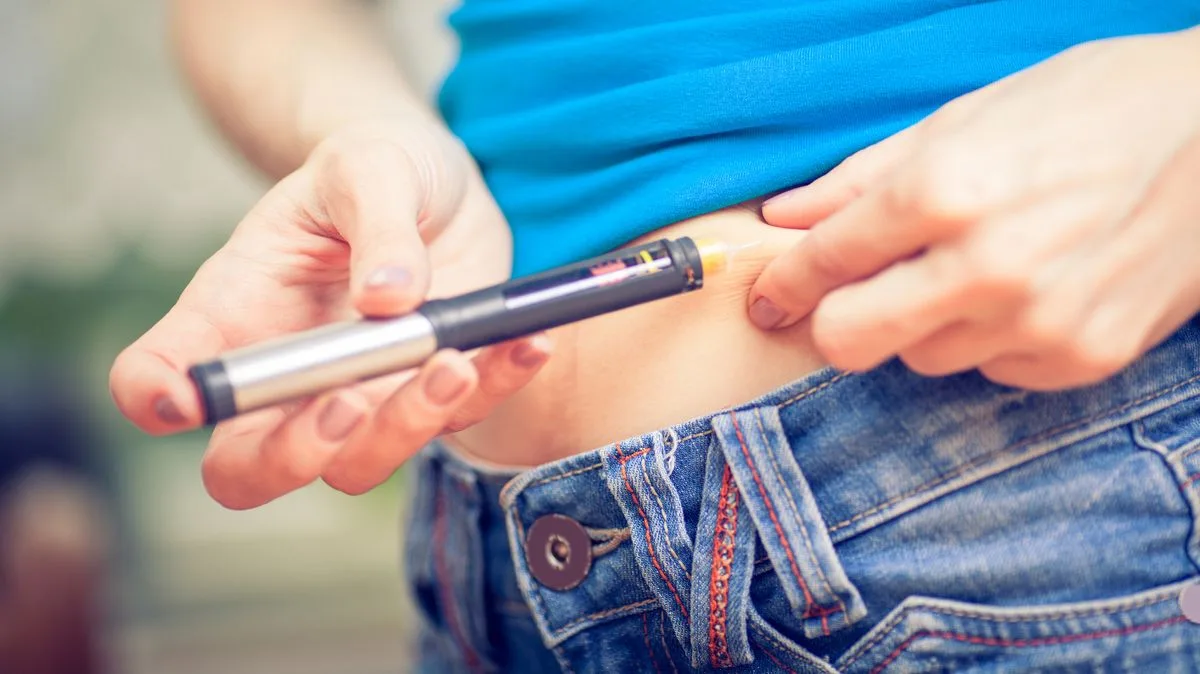
Heat can break down the active ingredients in medicines, meaning they might not work when needed. This includes tablets, inhalers, hormone patches, insulin, and EpiPens. Some packaging provides clear storage instructions, but not all medicines come with a visible warning.

Medicines that require refrigeration – such as insulin or certain liquid antibiotics – are especially vulnerable to heat. If left out too long or stored incorrectly, they may not work properly. Signs of heat damage include changes in colour, unusual smell, altered texture, or any other visible differences. In such cases, consult your pharmacist.

At home, check the patient information leaflet for storage instructions and keep medicines in the coolest part of the house, away from direct sunlight. When travelling, avoid leaving them in parked vehicles or warm bags. A cool bag can help if you'll be out all day.

Heat damage can also affect how much medicine your body absorbs, potentially making your usual dose too strong or too weak. If you notice any changes in how you feel or how well your medicines seem to work during hot weather, speak to your pharmacist or doctor.

Don't Forget Medical Devices

Some medical devices can also be affected by heat or humidity. For example, blood glucose monitors may give less reliable readings for people managing diabetes if used or stored in hot conditions.

Keep devices and test strips somewhere cool and dry, and check the instructions for any temperature guidance. If your device isn't behaving as expected, run a control check or ask your pharmacist for advice. For more information about medicine and medical device safety, visit the MHRA website or report concerns through the MHRA's Yellow Card scheme.

Stay Hydrated with Diuretics or Blood Pressure Medication

During hot weather, your body loses more water through sweating. Some medicines can exacerbate this or make it harder for your body to cope with heat. People taking diuretics ('water tablets') such as furosemide are already losing more fluid through urination, increasing the risk of dehydration and mineral imbalances.

Pickt after-article banner — collaborative shopping lists app with family illustration

Blood pressure medicines like ACE inhibitors, beta-blockers, or calcium channel blockers can also impair temperature regulation, especially during sudden hot spells. ACE inhibitors may even suppress your natural thirst response. Some diabetes medicines, including insulin and metformin, also raise dehydration risks or mask early symptoms. Antipsychotic medications (e.g., olanzapine, quetiapine) or stimulants for attention disorders can increase body temperature, making overheating more likely.

Dehydration can cause dizziness, headaches, tiredness, confusion, and dark urine. This is particularly dangerous for older adults, young children, and people with heart or kidney conditions. If you feel unwell in the heat, move to a cooler place, sip water slowly, and seek medical advice if symptoms persist.

Check Sunburn Risk from Medicines

Some common medicines can make your skin much more likely to burn, even in mild sunshine. This includes certain antibiotics, diuretics, antidepressants, or skin treatments for acne or eczema. Painkillers like ibuprofen or naproxen may also cause mild sun sensitivity, though this is less common and usually linked to frequent or long-term use.

One medicine requiring particular caution is methotrexate, used for rheumatoid arthritis, psoriasis, Crohn's disease, and cancer. It can cause extreme sun sensitivity, even at low doses, leading to painful rashes, blistering, or swelling resembling severe sunburn. In rare cases, these reactions have caused serious infections. The risk increases during sunny weather, especially with outdoor activities like walking the dog, gardening, or holidays. Even a short lunchtime walk or train ride in the sun can trigger a reaction for some people. Always read the patient information leaflet or check with your pharmacist to see if sun sensitivity is a side effect of your medications.




