
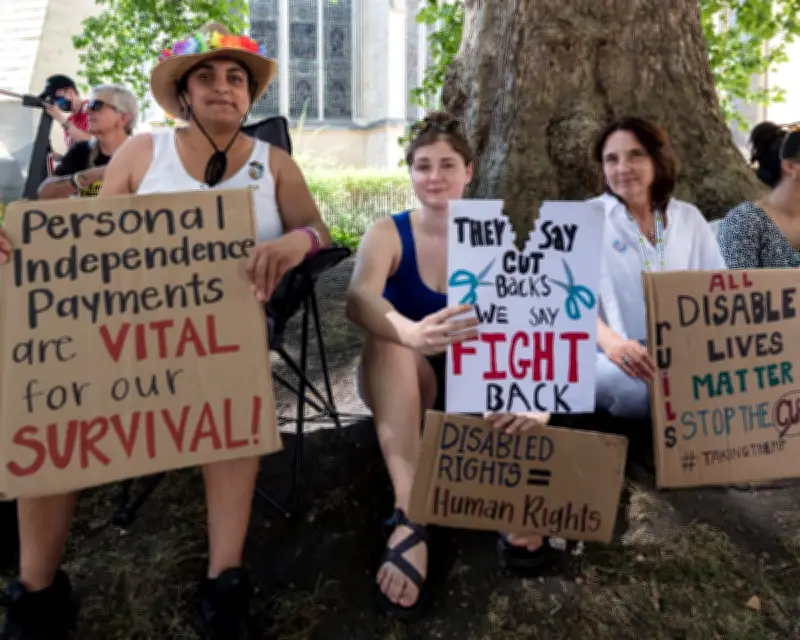
The Timms review of the personal independence payment (Pip) has concluded that the disability benefits system is 'not working,' suffering from systematic and deep-rooted problems that undermine public trust and often leave vulnerable claimants feeling dehumanized and degraded. The interim report, published on Thursday, commits to making bold and radical proposals to overhaul the benefit, which is claimed by nearly 4 million people in England and Wales.
Systematic Failures and 'Soul Destroying' Assessments
The review found that the onerous Pip application process and hostile eligibility assessments can be so distressing and 'soul destroying' that they lead people to give up work and their social lives. 'People describe Pip as something that “breaks” them, rather than a support that enables them to live independently and participate in society,' the report states, citing an individual who gave evidence.
However, the review also indicates that any changes must be sustainable within current official Pip spending projections, leaving open the possibility of non-cash alternatives. 'Pip cannot be everything to everybody,' the report notes, warning of 'challenging discussions' ahead.
Balancing Reform with Spending Constraints
The final recommendations, expected to land on the desk of a new prime minister and chancellor in the autumn, will need to balance meaningful reform with political pressure to keep a lid on social security spending. Last year, the government was forced to U-turn on a £5bn a year programme of disability benefit cuts after a Labour backbench rebellion.
Pip is not means-tested and is intended to contribute to the extra costs of living with a disability, with payments up to £194.60 a week. While spending on Pip has risen rapidly over the past seven years, overall benefits spending as a proportion of GDP has remained stable.
Evidence Points to Broader Pressures
Evidence to the review suggests that cuts to wider public services, long NHS waits, declining healthy life expectancy, and soaring living costs may have driven the rise in Pip claims. The review, co-produced by the Department for Work and Pensions and a panel of disabled people, is co-chaired by minister Stephen Timms and disability experts Sharon Brennan and Clenton Farquharson.
Brennan said: 'We’ve heard loud and clear: Pip is highly valued as a benefit but is not fit for purpose. We are committed to making changes so that Pip can fulfil its purpose.'
Claimant's Experience: 'Things Need to Change Completely'
Rob Lewis, 36, who has multiple sclerosis, described his experience with Pip as devastating. After being awarded higher rate daily living and lower rate mobility, he was shocked during his first assessment to be asked to touch his toes and pick up a cup. 'You’re made to feel like a liar, as though you shouldn’t be asking for help or money,' he said.
In 2022, after a successful reassessment, Lewis became eligible for a motability car. But within months, a mandatory phone reassessment deemed him no longer eligible, and his car was taken away. He won his appeal at tribunal but suffered major damage to his mental and physical health. 'We shouldn’t be made to prove ourselves again every couple of years when it’s hard enough getting out of bed in the morning sometimes,' he said.
Lewis is due for another mandatory reassessment next year: 'I’m going into battle to fight for it again,' he said.




