
Women over the age of 49 face double the risk of miscarriage compared to those aged 35–40, and are less likely to become pregnant even with donor eggs, according to new research presented at the European Society of Human Reproduction and Embryology (ESHRE). The findings challenge the previous belief that donor eggs could 'reset' age-related fertility decline, pointing instead to changes in the womb lining as a key factor.
Mum of Twins at 51 Calls for System Change
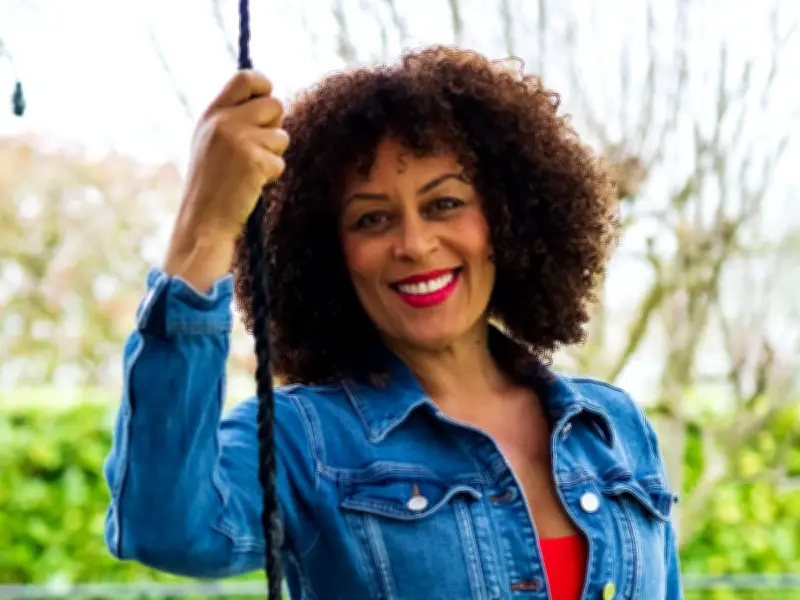
Caroline Morgan, now 53, from South Derbyshire, welcomed twins at 51 after six rounds of IVF. In an opinion piece for the Mirror, she said: 'Women deserve information — not to create fear, but to give them knowledge, choices and the confidence to make informed decisions.' Morgan described her own journey, discovering only during fertility treatment that she had small fibroids and issues with her womb lining. She questioned why such issues are not identified earlier: 'That experience left me asking a bigger question: why aren't we talking more openly about fertility health before someone is trying to have a baby?'
Research Details: Uterine Ageing May Be Treatable
The ESHRE research suggests that age-related changes in the womb lining reduce pregnancy success rates even with donor eggs. Scientists hope that this could be treatable in the future, potentially allowing doctors to predict, prevent, or improve uterine ageing. This could mark a significant advance in maternal healthcare.
Personal Stories Highlight Knowledge Gaps
Morgan hosts the podcast 'Motherhood in Stereo', where she speaks to women whose fertility journeys were shaped by unexpected circumstances, such as early menopause, PCOS, or cancer treatments. She noted that many women tell her: 'I wish I had known sooner.' She emphasised: 'None of us can predict the future. Not every woman will want children, and not every fertility challenge can be prevented. But understanding our bodies earlier gives women the opportunity to ask questions, seek support and feel more informed about their choices.'
Call for Earlier Fertility Education
Morgan argued that fertility should be part of women's healthcare throughout adulthood, not only when they struggle to conceive. 'We talk about checking our blood pressure, cholesterol and cervical health, yet fertility is often something women only learn about when they are already facing difficulties conceiving,' she said. She wants women to feel empowered, not overwhelmed, by fertility information.
Impact and Future Directions
The research and Morgan's personal story underscore the need for better fertility education and earlier screening. Morgan concluded: 'We cannot always change the path life takes us on, but we can make sure women have more knowledge, more support and more compassion along the way.'




