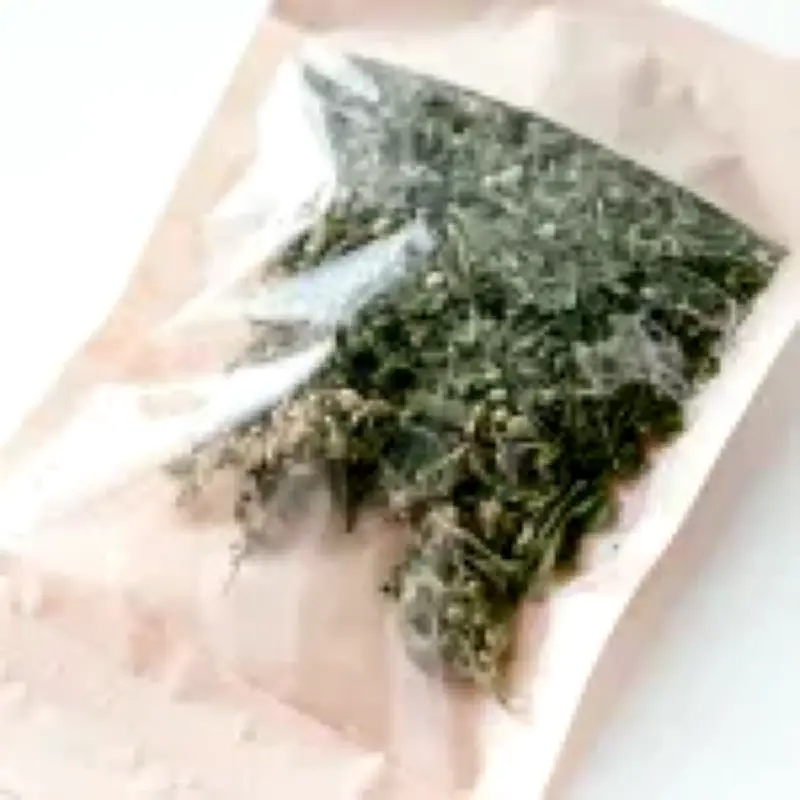
Deaths from synthetic cannabinoids, known as Spice, more than doubled in England and Wales in 2025, rising from 44 in 2024 to 95, the highest number recorded, according to the latest figures from the Office for National Statistics (ONS).
The drug is being imported from labs in China and India, often in 'Do It Yourself' kits that are assembled in the UK, experts have warned. Another group of lab-made opioids, called nitazenes, caused more than 100 deaths last year after arriving from illicit labs abroad.
Overall drug deaths decline but male deaths hit record
The total number of drug deaths in England and Wales fell to 5,519 last year, down slightly from the record high in 2024. However, the number of men dying due to drugs was the highest on record in 2025, at 3,778 deaths.
Cocaine overtook heroin or morphine to become the most mentioned drug in drug-poisoning deaths for the first time, responsible for more than 1,200 deaths.
Experts warn over lab-made substances
Dr Caroline Copeland, Senior Lecturer in Pharmacology & Toxicology at King's College London, told Metro that Spice used to be made in clandestine labs in China before the country cracked down on the drug in 2021. She said experts now think these illicit labs have moved to India and possibly Pakistan.
Dr Copeland explained: 'They have easy ready access to the equipment and infrastructure for illicit drug manufacture, and a lot of the people who have the know-how to make these things too.' She added: 'It's not like these countries think it is OK for these drugs to be manufactured within their jurisdictions, rather, it's that they weren't previously a problem so they haven't yet gone through the efforts to introduce the needed legislations.'
Experts also warned that Spice is getting into the UK through 'DIY' kits which bypass China's crackdown on the drug. Professor Chris Pudney from the University of Bath told Metro: 'The labs are still in China, but rather than producing the spice, they are now producing a kit with a packet of instructions for you to make it up in your home country.' He said a kit costing £1,000 can produce a kilo of Spice, but these packs are even more dangerous because people assembling the drug are 'less in control of the dosage' they are taking.
Prof Pudney also said there are increased reports of 'solid-like crystal spice in the community'. While the drug is most often consumed by prisoners and vulnerable people, there is growing concern over young people taking the drug via vaping.
Nitazene deaths remain high
The figures also revealed worrying numbers of Brits dying from nitazenes, synthetic opioids also believed to be produced in illicit labs in China. Nitazenes have increasingly entered the UK market after the Taliban implemented a ban on planting opium in 2021.
As many as 150 people were recorded as dying from nitazenes in 2025. Although that was down from 195 deaths the year before, it is still three times higher than in 2023. Dr Copeland warned that modelling showed the number of deaths from the drug is likely to be underestimated by a third, because the drug is 'incredibly potent' and so is 'very difficult to detect'. Researchers believe the drug degrades after death, meaning the amount that can be detected at post mortem becomes 'smaller and smaller'.
Mike Trace, CEO at The Forward Trust and former government drug czar, said: 'The threat that nitazenes are posing in real life on the ground is not reflected in the figures.' He added: 'Our big fear and the government's big fear is that they are trying to develop responses to a new threat with big limitations on what we know about those new threats.'
Campaigners highlight male death rates
Campaigners are also speaking out about the rising numbers of men dying from drug-poisoning, which surged to a new high despite decreases among women. Mark Brooks, Policy Director of the Centre for Policy Research on Men and Boys, said: 'The continuing rise in male drug death rates, alongside other deaths of despair such as alcohol misuse and suicide, shows the overall lives of many men are getting worse rather than improving.'
He added: 'This is a public health emergency, even more so in places like northern England. We need to do far more to tackle the root causes such as lack of employment, mental health and isolation.' The North East continued to have the highest drug deaths compared to other regions in England and Wales, despite a drop compared to the record high in 2024. Yorkshire and the Humber and the South East of England all faced the highest rates of drug deaths since records began in 1993.