Bloomscrolling is gaining traction as a TikTok trend designed to counter the negative effects of doomscrolling, but experts caution that its long-term benefits remain uncertain.
The average TikTok user spends around 11 hours per week on the app, some of which is often spent doomscrolling — the compulsive habit of consuming negative or distressing content, frequently at night. This cycle can lead to anxiety and sleeplessness, prompting many to embrace bloomscrolling, which encourages curating feeds with uplifting, inspirational, and soothing content.
What Is Bloomscrolling?
Originally coined by wellness brand nomie, bloomscrolling is designed to help calm the nervous system. Unlike doomscrolling, which is passive, bloomscrolling is an intentional act of seeking out positive content. The trend has been described by TikTok users as 'healing' and 'way more productive than doomscrolling,' with one user noting that 'seeing uplifting content really does help.'
To start bloomscrolling, nomie suggests spending about 10 minutes scrolling through your main feed and observing how your body reacts to each post. Physical signs like chest tightness or jaw clenching may indicate that your nervous system perceives content as a threat. The next step is to unfollow or mute accounts that trigger anxiety and instead engage with content that brings joy, telling the algorithm 'more of this please.'
Expert Insights on Doomscrolling
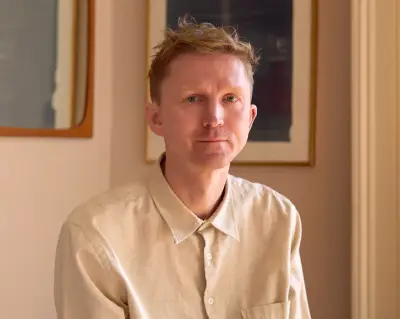
Alex Sharpe, associate lecturer and PhD candidate in Psychology at the University of Chichester, is a leading UK researcher on doomscrolling. He notes that the phenomenon is so new that experts cannot accurately predict its long-term effects on mental health. His recent paper confirmed that doomscrolling is consistently associated with anxiety, depression, stress, emotional exhaustion, reduced resilience, and a more pessimistic worldview, but he told Metro that 'it's difficult to say what the ultimate long-term consequences will look like.'
Some studies suggest prolonged doomscrolling could lead to difficulty sleeping, long-term anxiety, and depression, but Sharpe emphasizes that there is not enough research yet to know the full extent.
Can Bloomscrolling Help?
Sharpe is cautiously optimistic about bloomscrolling's potential. In his paper, he referenced a 2021 experiment involving 'kindness scrolling,' where participants viewed negative COVID news, uplifting stories of kindness, or no information. 'Doomscrolling reduced positive mood compared with the control. Kindness scrolling didn't cause that same drop,' he explained. 'However, it also didn't lift wellbeing above the baseline.'
He concluded that the evidence that bloomscrolling could be a helpful tool is 'cautiously encouraging but also very limited.' With features like infinite scroll and ragebait algorithms still in play, it may take more than videos of flowers to fully address the problem, but it is a start.