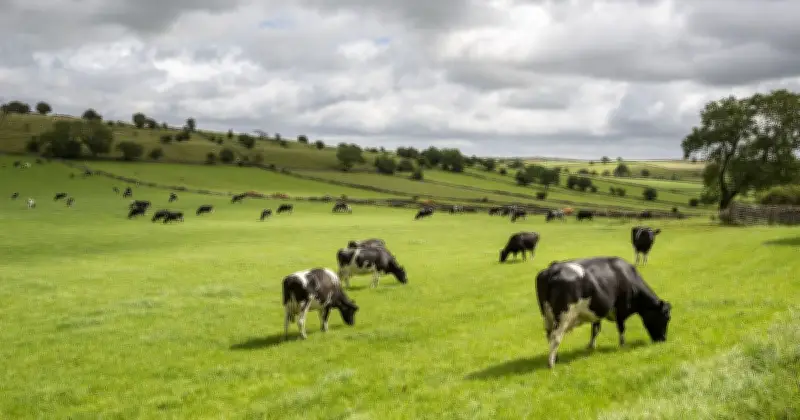
Shamonda virus (SHAV), which was linked to a death in France last month, has been detected in British livestock for the first time. The UK Health Security Agency (UKHSA) has confirmed the virus was found in two dairy farms across England and Wales.
Previously believed to be non-transmissible to humans, SHAV had only been detected in goats, alpacas and horses. However, it was connected to the death of a person in France just last month.
Detection on UK Farms
The virus is thought to be primarily spread by Culicoides biting midges and mainly affects cattle. It was detected at a dairy farm in Powys, Wales, and another in Shropshire, England, last month, after samples were collected and tested in laboratories.
Cases have been recorded in 14 western European countries, including farms in Jersey and the Republic of Ireland. The only human case of SHAV was of a severely immunosuppressed individual in Lyon, France.
Officials' Response
Officials called it an "exceptional case in a severely immunocompromised patient," as the person's weak immune system left them more vulnerable to falling ill. At the time, they confirmed: "Despite circulating in Africa and Asia for several decades, the Shamonda virus has never previously been detected in humans."
The UKHSA said: "There is currently no evidence of wider transmission among humans and the current risk to the general population is considered very low. The UKHSA are continuing to monitor the situation closely."
Food Safety and Monitoring
The Shamonda virus also poses a risk to food safety in Britain, according to the Food Standards Agency. Livestock keepers have been instructed to monitor their animals for clinical signs of SHAV, which include fever, diarrhoea, lethargy and reduced milk production.
However, the UKHSA says there is no reason to suggest additional disease-control measures are necessary.